


Where Do Ticks Live at My Eau Claire, WI or Minneapolis Home?
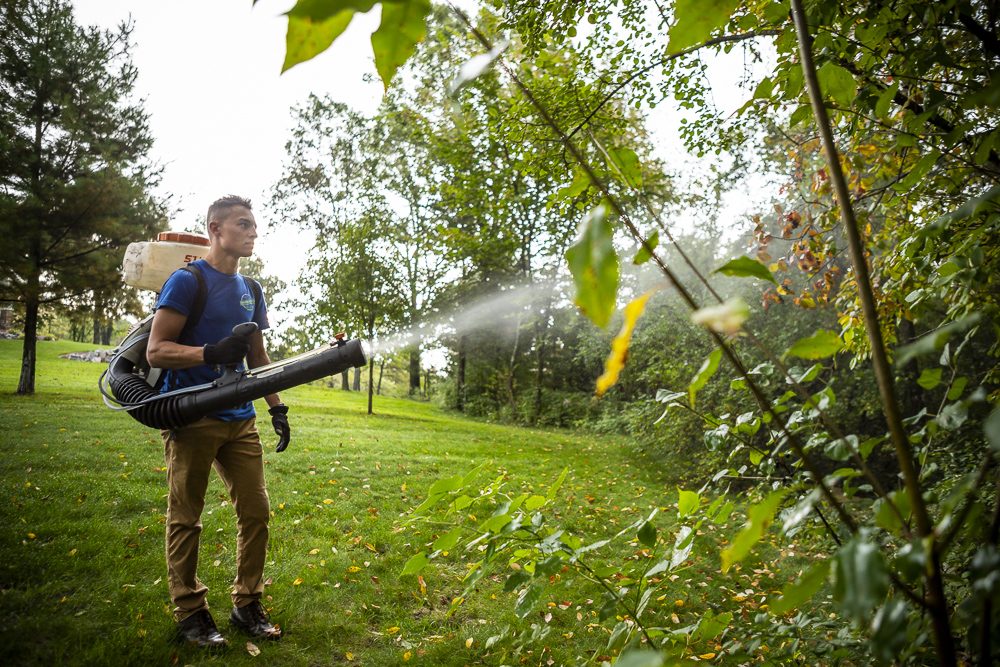
Ticks live where it is shady, humid, and sheltered: leaf litter, ground cover, tall grass, the undersides of low leaves, and especially the strip where your mowed lawn meets woods, brush, or an unmowed ditch. They are not out in the middle of a sunny lawn, because open turf dries them out. Knowing that narrows the problem to a few places on your property that you can both treat and physically change.
Where do ticks live outside?
Ticks need moisture. A tick that sits in the sun on short, dry turf loses water and dies, so it stays in cool, humid cover and comes to the edge of that cover to wait for a host. On a typical Eau Claire or Minneapolis property, that means the back and side borders, shaded beds, and anywhere leaves pile up.
You are more likely to run into ticks in the woods or in a field of tall grass, but ticks go wherever hosts go. Deer, rabbits, mice, chipmunks, raccoons, and dogs all carry them into yards and drop them off.
Where ticks hide on a residential lot
These are the spots to check, in rough order of how often they produce ticks:
- Leaf litter along fence lines, behind sheds, and in bed corners
- The wood line and the first few feet of lawn next to it
- Ground cover such as pachysandra, vinca, and English ivy, plus ornamental grasses
- Shaded beds and the north side of the house
- Under decks and porches
- Low tree limbs and dense shrubs
- Wood piles and stacked brush
- Stone walls, rock piles, and old furniture or junk, which shelter the rodents that carry ticks
- Wet, low areas that never fully dry out
How ticks actually get on you
Ticks do not jump, they do not fly, and they do not drop out of trees. A tick climbs to the tip of a grass blade or a low leaf, anchors with its back legs, and holds its front legs out to grab whatever brushes past. That behavior is called questing, and it is the whole reason tick control focuses on low vegetation and the edges of a property rather than on tree canopy or open lawn.
Once on a host, a tick crawls to a protected spot, cuts into the skin, inserts a feeding tube, and feeds slowly over several days. Pathogens pass in the tick's saliva during feeding, so the sooner you find and remove one, the better. Use fine-tipped tweezers, grip as close to the skin as you can, and pull straight out.
Which ticks live here, and when
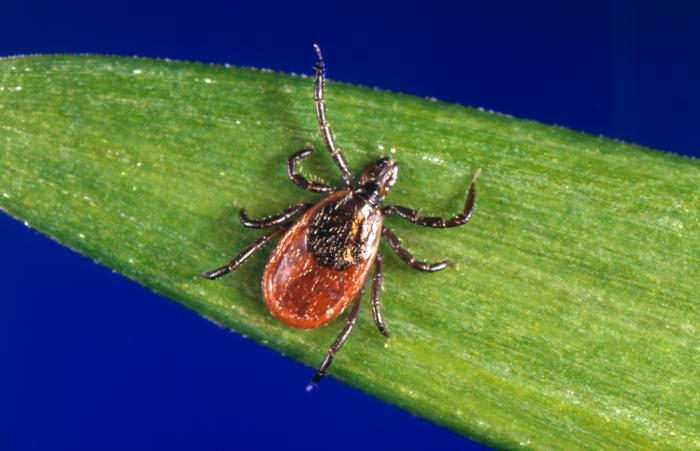
Two species account for most of what you will find in Wisconsin and Minnesota yards. The blacklegged tick, commonly called the deer tick, is small and dark and is the species that transmits Lyme disease here, along with anaplasmosis and babesiosis. The American dog tick is noticeably larger and brown with light markings, prefers grassy and brushy areas, and is not a Lyme vector. Telling them apart changes how worried you need to be about a bite.
Season matters as much as species. Nymph deer ticks, which are about the size of a poppy seed, are most active in late spring and early summer, and because they are so small they account for many bites that people never notice. Adults are active in spring and again in fall, and they will quest on any day above freezing when the ground is not frozen. Finding a tick in late October here is normal.
Get rid of tick habitat
Habitat work is the part you control, and it makes everything else more effective:
- Remove leaf litter. Rake and haul it out of bed corners, fence lines, and the strip along the woods rather than blowing it to the edge of the yard.
- Keep the lawn mowed. Short, sunny turf is poor tick habitat. Cut back tall grass and brush along the house and at the lawn edge.
- Build a dry buffer. A few feet of wood chips or gravel between the lawn and the woods creates a hot, dry strip ticks avoid crossing.
- Move activity to the middle of the yard. Swing sets, patios, fire pits, and seating belong in sun, away from the tree line.
- Stack wood neatly, off the ground, in the sun. Damp, sprawling wood piles host both ticks and rodents.
- Eliminate standing water. Old tires, clogged gutters, buckets, wheelbarrows, and empty flower pots hold the moisture ticks need and breed mosquitoes besides.
- Discourage wildlife. Fencing deer out, cleaning up spilled birdseed, and removing junk piles reduces the hosts delivering ticks to your yard.
- Fix soggy ground. A leaking head or a zone soaking a shaded bed daily creates permanent habitat. That is an irrigation or drainage issue worth correcting.
Then treat the hangouts
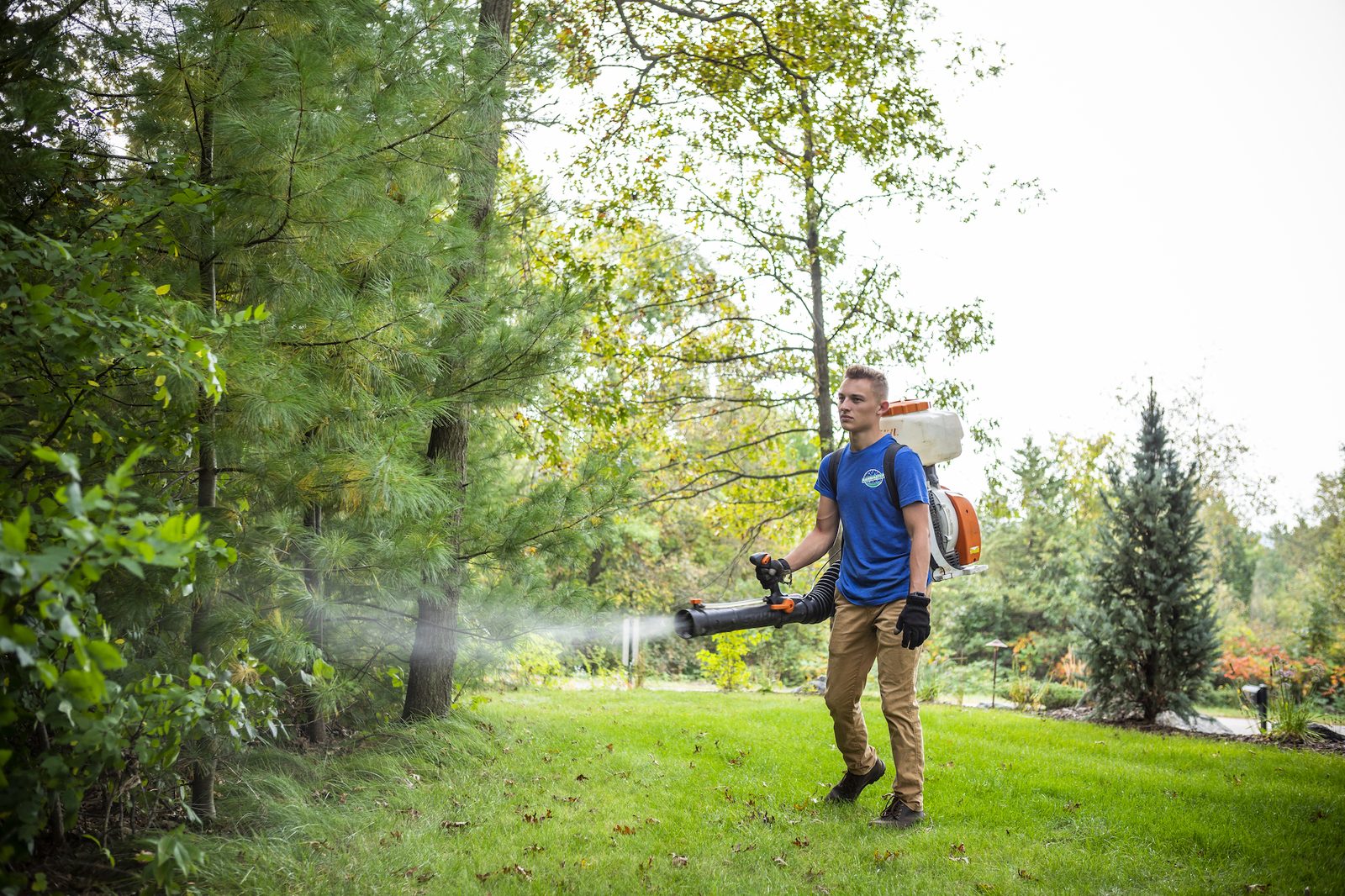
Habitat work shrinks the problem; treatment knocks down what is left. Specialists spray the perimeter of the property and the harborage inside it: the undersides of plant leaves, shaded areas, wet areas, under decks, low tree limbs, and wood piles. RainMaster's barrier spray runs every three weeks, six visits from spring through fall, because sun, rain, irrigation, and new leaf growth all wear the barrier down. The same application reduces mosquitoes. Kids and pets go back out once treated areas are dry, generally about 30 minutes.
No program delivers 100 percent control, and anyone promising a tick-free yard is overselling. What you get is a large reduction in both ticks and mosquitoes on the property.
Habits that cover the rest
- Do a tick check after yard work, on yourself, the kids, and the dog, with attention to the hairline, ears, waistband, and behind the knees.
- Shower within a couple of hours of coming in from the yard.
- Tumble dry clothing on high heat, which kills ticks that hitched a ride.
- Use an EPA-registered repellent on skin, and treat shoes, socks, and pants with permethrin if you spend time in the woods.
- Keep pets on the tick prevention your veterinarian prescribes, since yard treatment does nothing for the ticks a dog picks up on a trail.
Ready to take back the shaded half of your yard? Request a quote or call 888-839-8484.
Bottom line
- Ticks live in shade and humidity: leaf litter, ground cover, under decks, wood piles, and the first few feet of lawn next to woods or brush.
- They do not jump or fall from trees; they quest on low vegetation and grab a passing host.
- Deer ticks transmit Lyme disease here; the larger American dog tick does not, so identify what you find.
- Leaf removal, mowing, a wood chip buffer at the tree line, and moving play areas into the sun cut the habitat directly.
- Barrier treatment every three weeks, six visits spring through fall, reduces both ticks and mosquitoes, but never eliminates them.
Frequently asked questions
Can ticks live in a mowed lawn?
A few will, mostly within a few feet of beds, fences, and the wood line. Open, sunny, well-mowed turf dries ticks out, so the population concentrates in shaded cover rather than in the middle of the lawn.
Do ticks fall out of trees?
No. That is a persistent myth. Ticks climb low vegetation and wait with their front legs extended for a host to brush by. A tick found on your scalp crawled there after latching onto a leg or sleeve.
What months are ticks active in Wisconsin and Minnesota?
Any month with thawed ground and temperatures above freezing, which in practice runs from March into November. Nymphs peak in late spring and early summer; adults are most active in spring and fall.
How do I get rid of ticks in my yard for good?
You cannot get rid of them permanently, because hosts keep bringing them in. The combination that works is habitat reduction plus barrier treatments on a three-week schedule through the season.


