


When is the Best Time to Spray Weeds? Lawn Care Tips for Minneapolis & Eau Claire, WI
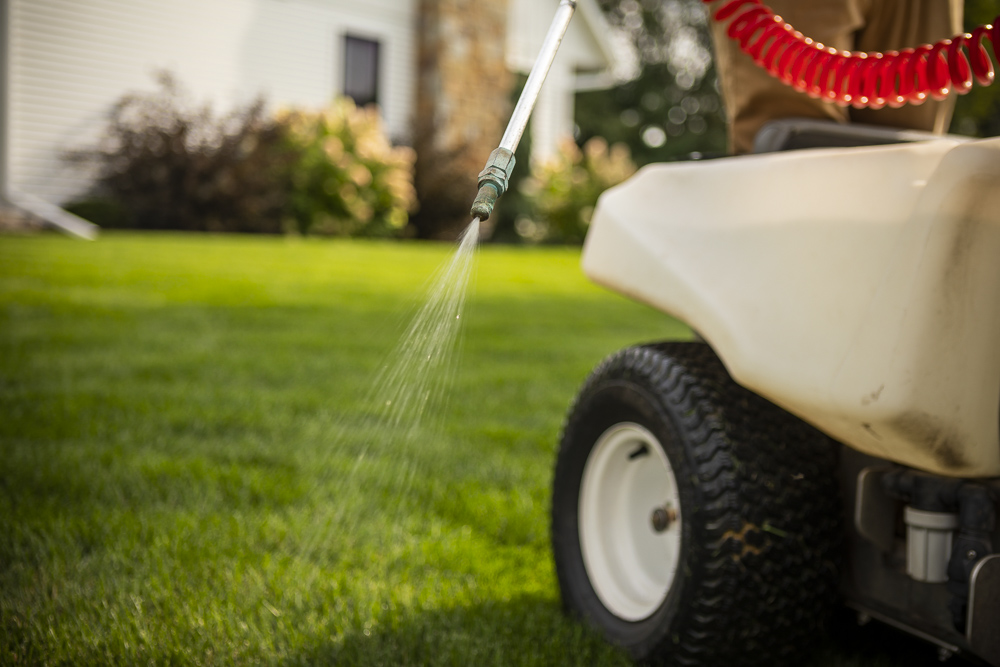
There is no single date to spray weeds, because different weeds are vulnerable at different points in the season and the timing that matters most is driven by soil temperature rather than the calendar. What you can control is whether you apply the right type of product in the right window and whether you mow around it correctly. Here is how it works in Wisconsin and Minnesota.
Does the time of day matter?
Less than the conditions. You do not need to set an alarm. What actually affects results is wind, rain, and temperature.
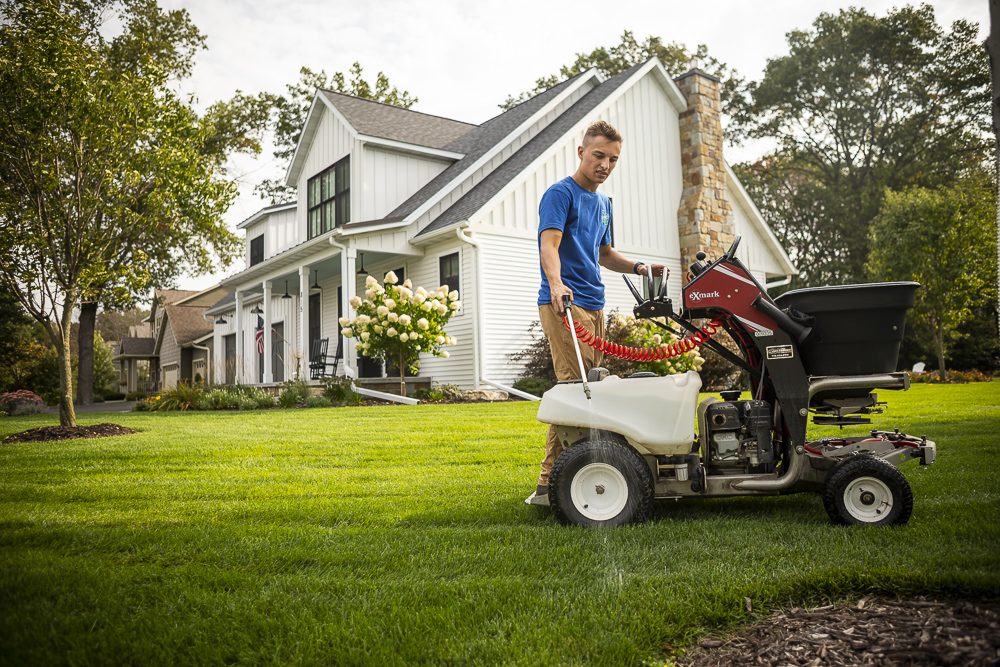
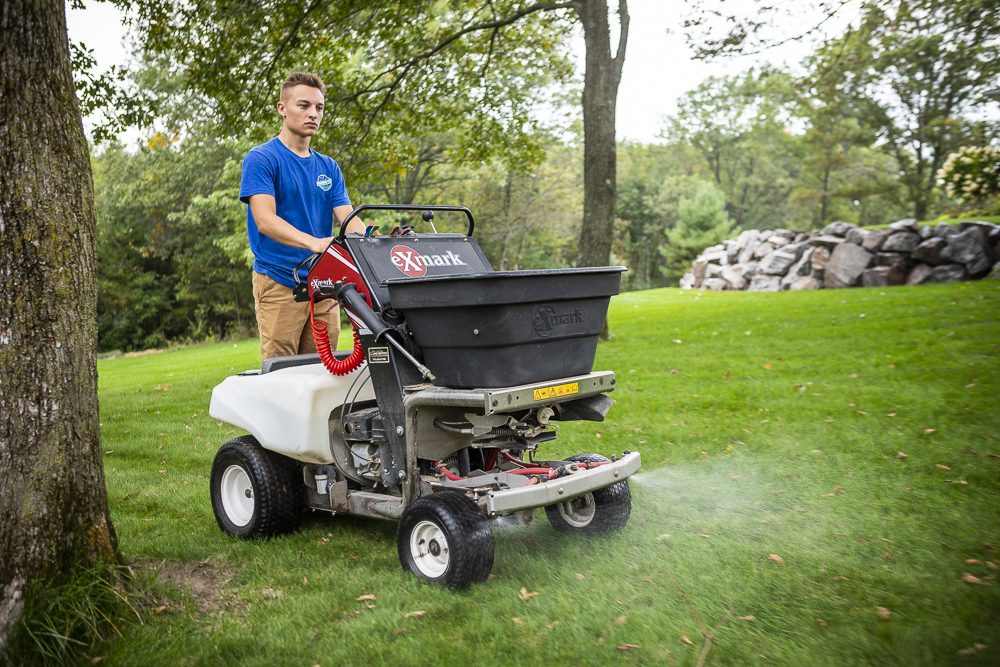
- Skip windy days. Drift puts product where you do not want it and takes it off the weed you are targeting.
- Skip rainy days. Post-emergent herbicides need several hours on the leaf to be absorbed. Rain shortly after application washes them off.
- Skip extreme heat. Spraying a drought-stressed lawn in high heat, generally above the mid eighties, raises the risk of turf injury and the weeds themselves slow their uptake. A calm, mild morning is the practical sweet spot.
Pre-emergent: spraying before weeds appear
One of the best times to treat weeds is before they exist. Pre-emergent products target weed seeds as they germinate, before they ever become a plant you can see.
Crabgrass is the case study. It is a warm-season annual that germinates from seed every spring, and a single plant drops an enormous seed load that waits in the soil for the following year. Breaking that cycle means getting pre-emergent down before germination, which is driven by soil temperature, not air temperature or the date. That is why our start date here can range anywhere from March to May depending on the spring.
Because that window is a moving target, RainMaster lawn care customers get two crabgrass treatments, one in early spring and a second in late spring. The second application extends the protection through the full germination window rather than betting the season on hitting one date perfectly.
Post-emergent: spraying weeds that are already there
Weeds are persistent and some get through regardless. Post-emergent products kill weeds that are already up and leafed out, and here the rule is simple: the weed has to be actively growing for the product to work. Herbicide moves through the plant with the plant's own circulation. A dormant or heat-stressed weed is not moving much of anything.
This is what people mean when they say April or May can be too early. Early spring is correct for pre-emergent, but it can be too early for post-emergent broadleaf control if the weeds have not really started growing yet. Our curative treatments run from April through early October as conditions allow.
The best window most people miss: fall
For perennial broadleaf weeds, dandelion, creeping charlie, clover, plantain, early fall is the strongest treatment window of the year in this region. In fall those plants are actively pulling resources down into their root systems for winter, and herbicide goes along for the ride. A fall application reaches the root rather than just burning off the top growth, which is why the same dandelion you sprayed in June came back and the one you sprayed in September did not.
It is also worth knowing that many of the worst-looking spring weeds germinate the previous fall, overwinter as small plants, and bolt the moment the snow is gone. Treating in fall takes them out before they get a head start.
When is it too late to spray?
October is generally the last useful window here before plants shut down and the ground freezes. Once growth has stopped, a post-emergent application has nothing to move it through the plant, and material applied to frozen or snow-covered ground simply runs off at snowmelt.
Mowing and spraying: the rule that decides results
Do not mow for one to two days before or after a weed treatment. This is the single most common reason a homeowner application fails.
Before spraying, you want as much weed leaf surface as possible to catch the product. Mowing right before a treatment removes exactly the tissue you are trying to treat, especially on low-growing weeds. After spraying, the plant needs time to absorb the herbicide and move it through its system. Mow it off too soon and you have taken the product away before it got anywhere.
Why timing is a program, not an event
Weed control in Wisconsin and Minnesota is a continuous process because the weed spectrum changes through the year. Crabgrass germinates in spring. Summer annuals like spurge and purslane come in the heat. Perennial broadleaf weeds are best hit in fall. A single application, whenever you make it, catches one slice of that.
That is the argument for a lawn care program that includes both preventive and curative treatments from early spring to late fall, timed on soil temperature and plant growth stage rather than on a fixed schedule.
The part that reduces spraying in the first place
Weeds colonize thin turf. A dense, deep-rooted lawn mowed at three to four inches shades the soil surface so weed seeds get less light and less heat, and leaves no bare ground for them to occupy. Every season of good fertility, correct mowing height, annual aeration, and proper watering means fewer weeds to treat the following year. Short mowing and shallow daily watering do the opposite, and no spray program fully compensates for them.
Bottom line
- Time of day barely matters. Avoid wind, rain within a few hours, and spraying a heat-stressed lawn.
- Pre-emergent timing runs on soil temperature, so the start date in this region ranges from March to May.
- Two crabgrass applications, early and late spring, cover the full germination window instead of one guessed date.
- Early fall is the best window for perennial broadleaf weeds, because herbicide follows resources down into the roots.
- Do not mow for one to two days before or after spraying. Mowing removes the leaf surface and the absorbed product.
Frequently asked questions
What is the best time of day to spray weeds?
A calm, mild morning with no rain expected for several hours. Time of day matters much less than avoiding wind, rain, and high heat on a drought-stressed lawn.
Is it too late to spray weeds in October?
Early October is usually still fine and is actually an excellent window for perennial weeds like dandelion and creeping charlie. Once growth has stopped for the season, post-emergent products have nothing to carry them through the plant.
Why did the weeds come back after I sprayed them?
Two usual reasons. Either the product only burned off top growth without reaching a perennial root system, which is why fall timing matters, or the lawn was mowed too soon before or after the application and the product never got absorbed.
Can I spray weeds and seed the lawn at the same time?
Generally no. Most weed control products interfere with new seedlings, and the standard guidance is to wait about a month, or four mowings, after seeding. Professional-grade products exist that can be used alongside new seed, which is one practical advantage of having the same company handle both.


