


What to Do If One of Your Sprinkler Zones Isn’t Working
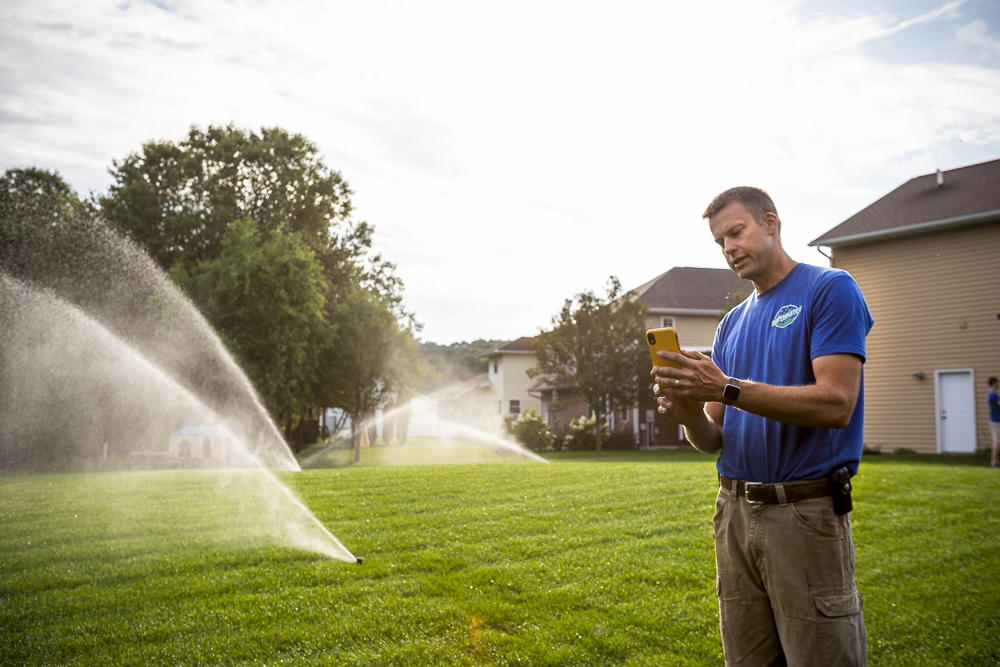
If one zone of your sprinkler system is not running, the cause is almost always one of five things: the controller output, the valve solenoid, the wiring between them, a stuck valve, or a broken line. A missing zone is not a minor issue either, because that section of lawn and landscape is getting no water at all while the rest of the system runs normally.
People talk themselves out of calling on this one. If a system has eight zones and seven are working, it feels like a small problem. It is not. In July, turf with no irrigation at all browns out in about a week, and the plants in that zone, which are usually the expensive ones along the front of the house, go downhill faster than the grass does.
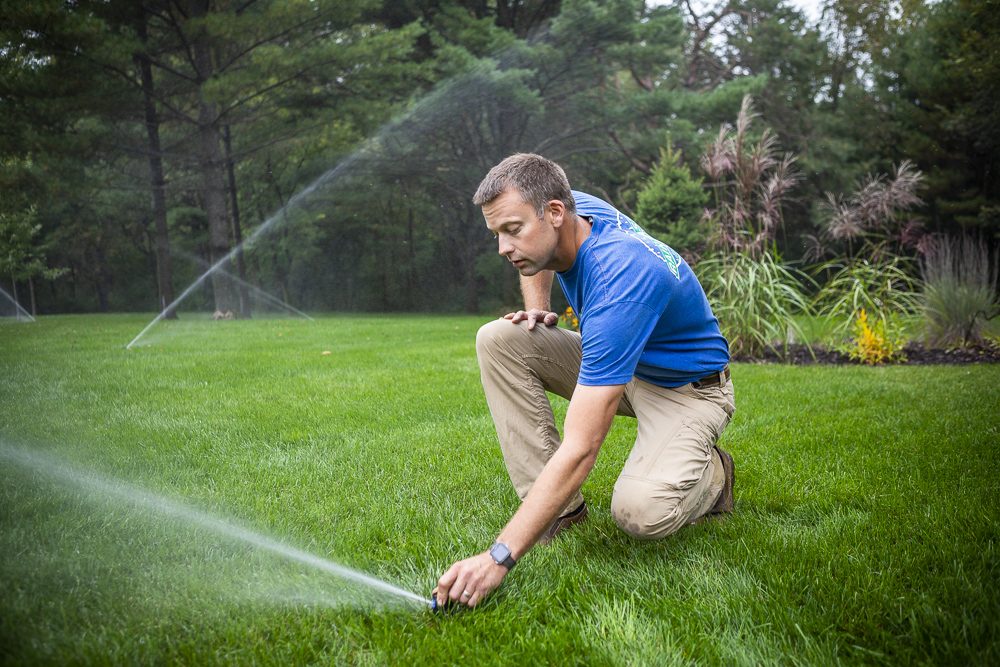
The five usual causes
- Controller output. The terminal or the station itself has failed, or the program no longer includes that zone. Sometimes it is as simple as a schedule that got edited.
- A failed solenoid. The solenoid is the electrical coil that opens the valve. When it burns out, the controller sends the signal and nothing happens.
- Wiring. A nicked wire, a corroded splice in a valve box, or a break from digging or an aerator. Common wire damage from a lightning strike also shows up this way, often taking out one zone or the controller board.
- A stuck or failed valve. Debris on the diaphragm, a torn diaphragm, or a valve that has seized.
- A broken lateral line. Water is leaving the pipe before it reaches the heads, so the zone runs but nothing comes out properly.
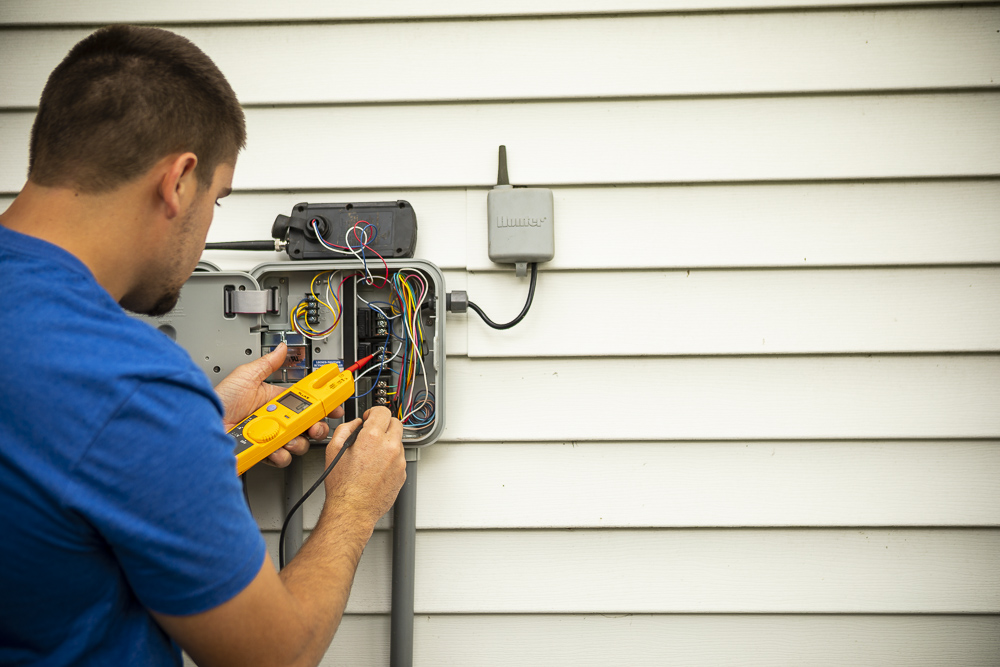
Distinguishing between these means reading voltage and resistance at the controller and at the valve. That is where most homeowner troubleshooting stops, and reasonably so.
The checks worth doing yourself
Three things are quick, safe, and will tell you a lot before anyone comes out.
Run the zone manually from the controller
Put the controller in manual mode and start the zone. If nothing happens at all, and other zones do run manually, the problem is downstream of the schedule, which rules out a programming mistake.
Open the valve by hand
At the valve box, the bleed screw or solenoid can be opened manually to let water through. If the zone runs when the valve is opened by hand but not when the controller calls for it, the problem is electrical: the solenoid, the wiring, or the controller station. If it does not run even then, the problem is hydraulic: the valve body or the line.
Look for the wet spot
Walk the zone. A broken lateral usually leaves evidence: a soft or soggy area, water bubbling up at the surface, washed-out mulch, or one head that geysers while the rest barely mist. On a slope, the water may surface well downhill of the actual break.
Why zones fail here specifically
In Wisconsin and Minnesota the two biggest causes are seasonal. The first is freeze damage. Any water left in a valve, a lateral, or a head after fall winterization expands when it freezes and splits the part. That damage is invisible until the system is pressurized in spring, which is why a zone that worked fine in October can be dead in April.
The second is frost movement. Repeated freeze and thaw cycles shift soil, and that movement stresses fittings and pulls on wire splices. Combine that with spring aeration equipment working over shallow lines and you have the two most common service calls of the year.
That is also the argument for a complete blowout rather than a quick one. A proper winterization clears every zone, including drip zones and the backflow assembly.
When to stop and call
Call when any of these is true:
- The zone will not run manually from the controller or from the valve.
- You are being asked to test resistance in ohms, trace wire paths, or dig to find a break.
- Multiple zones are affected, or the controller display is blank or showing a fault.
- There is standing water, a pressure drop in the house, or water around the backflow device.
- It is mid-season and the turf in that zone is already stressing.
A technician with a multimeter and a wire locator will isolate most zone failures quickly, because they do this work every day and they carry the parts. Our irrigation repair crews work across the Twin Cities and the Chippewa Valley.
How to not have this conversation again
Most zone failures are found by someone, eventually. The only question is whether it is a technician in May or you in August after a section of lawn has already gone brown. A maintenance plan exists to make it the former.
We offer three levels of irrigation maintenance. All of them include a technician running every zone, watching every head, and correcting coverage, which is how a dead zone, a misaligned rotor, or a clogged nozzle gets found before it costs you turf. Regular visits also avoid the pattern most homeowners fall into, which is waiting for something to break, calling, and then waiting for an opening in the schedule during the busiest weeks of the season.
The side benefit is water. A technician checking coverage and adjusting run times for actual conditions usually finds savings that offset part of the plan cost, especially on systems that have been running the same schedule for years. If you want to get the system looked at, request a quote and we will go through the options.
Bottom line
- A dead zone means that section of lawn gets no water at all; in July, turf there browns out in roughly a week.
- The cause is usually the controller station, the solenoid, the wiring, the valve, or a broken lateral line.
- Open the valve by hand: if the zone runs that way, the problem is electrical, if not, it is hydraulic.
- Freeze damage from an incomplete fall blowout is the most common reason a zone that worked in October is dead in April.
- Scheduled maintenance visits catch dead zones and coverage problems before the lawn shows it.
Frequently asked questions
Why is only one sprinkler zone not working?
Because each zone has its own valve, solenoid, and wire run. A failure in any of those affects that zone alone and leaves the rest of the system working normally. A broken lateral line in that zone does the same thing.
Can I fix a sprinkler zone myself?
You can check the schedule, run the zone manually, open the valve by hand, and look for a wet spot. Past that it means testing voltage and resistance and sometimes digging to find a break, which is where most people are better off calling.
How long can my lawn go without one irrigation zone?
In cool spring weather, a while. In July heat, turf in an unwatered zone begins browning within about a week, and new plantings and shrubs in that zone decline faster than the grass.
Why did a zone stop working over the winter?
Water left in a valve, lateral, or head after winterization freezes, expands, and cracks the part. The damage is not visible until the system is pressurized at spring startup.
Irrigation Association, Irrigation system maintenance and auditing resources.
EPA WaterSense, Sprinkler system check and maintenance guidance.


