


What Should a Professional Snow Removal Contract Include?
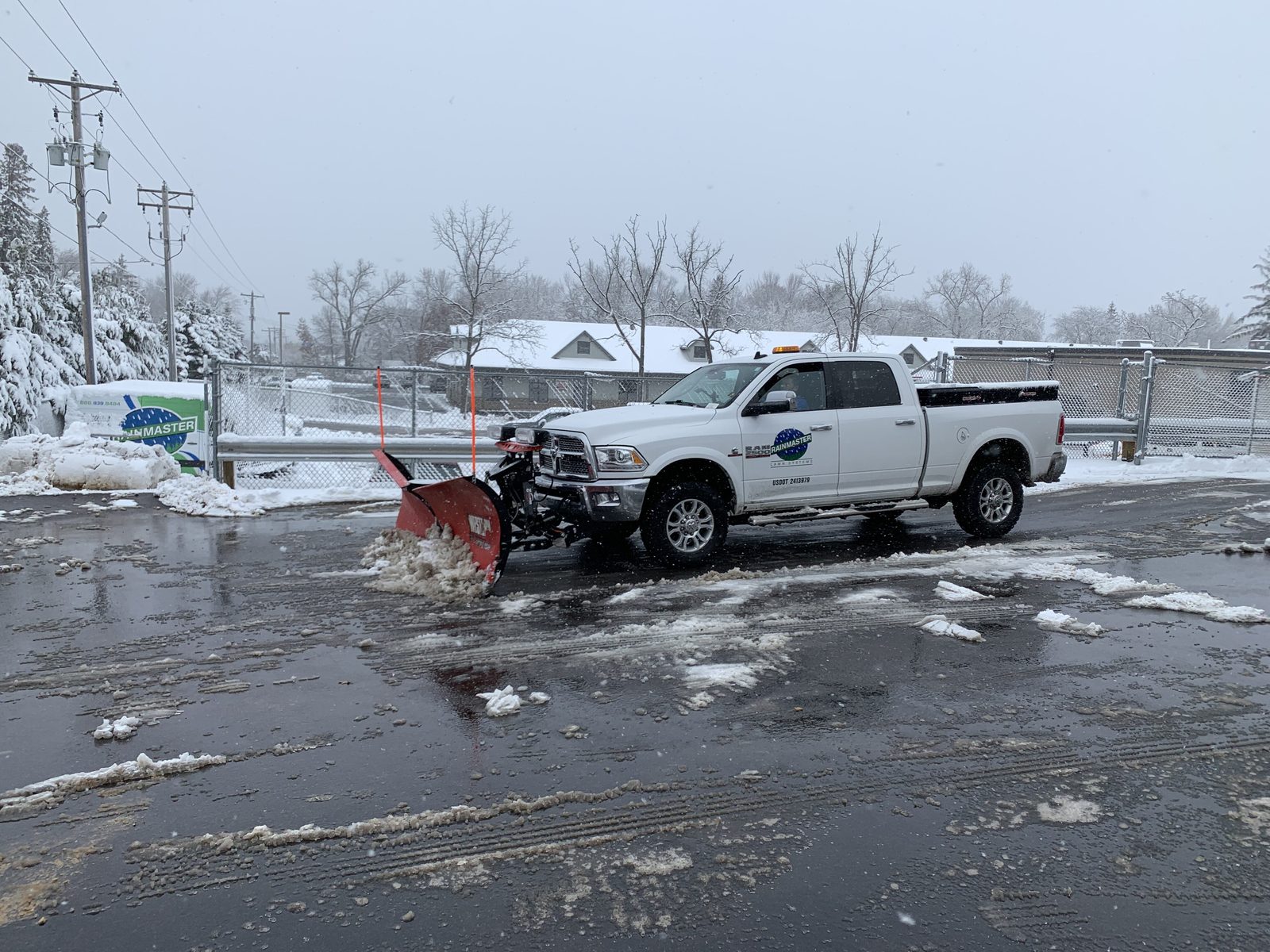
Almost every argument between a property manager and a snow contractor traces back to something nobody wrote down. A long contract is not bureaucracy; it is the place where expectations, pricing, and liability get settled before the first storm.
Pricing, and what structure you are actually buying
Snow pricing comes in a few forms and they allocate risk differently. Per-push billing charges by the event. Time and materials bills labor hours plus product used. A seasonal contract sets one price for the winter regardless of how much snow falls.
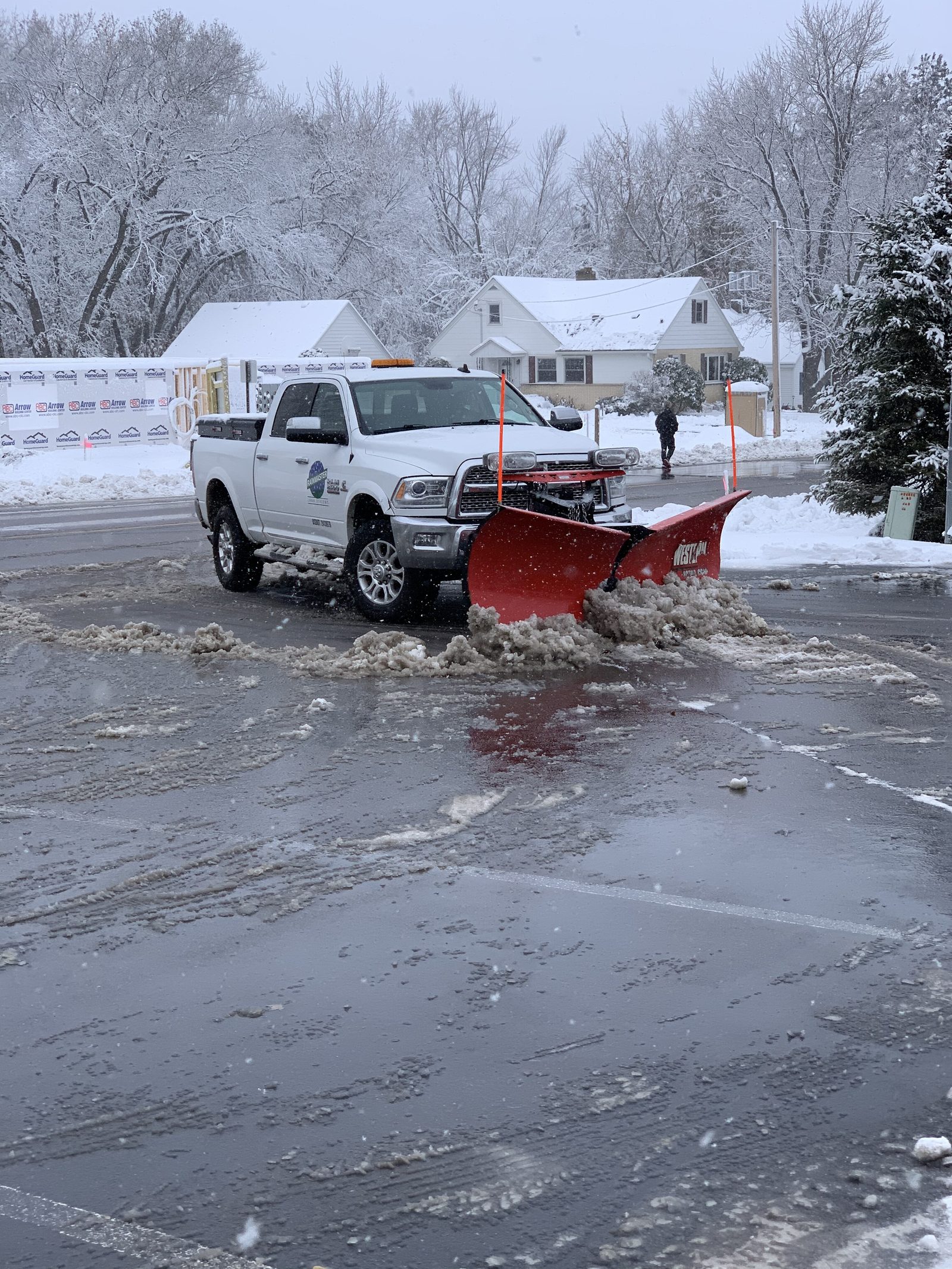
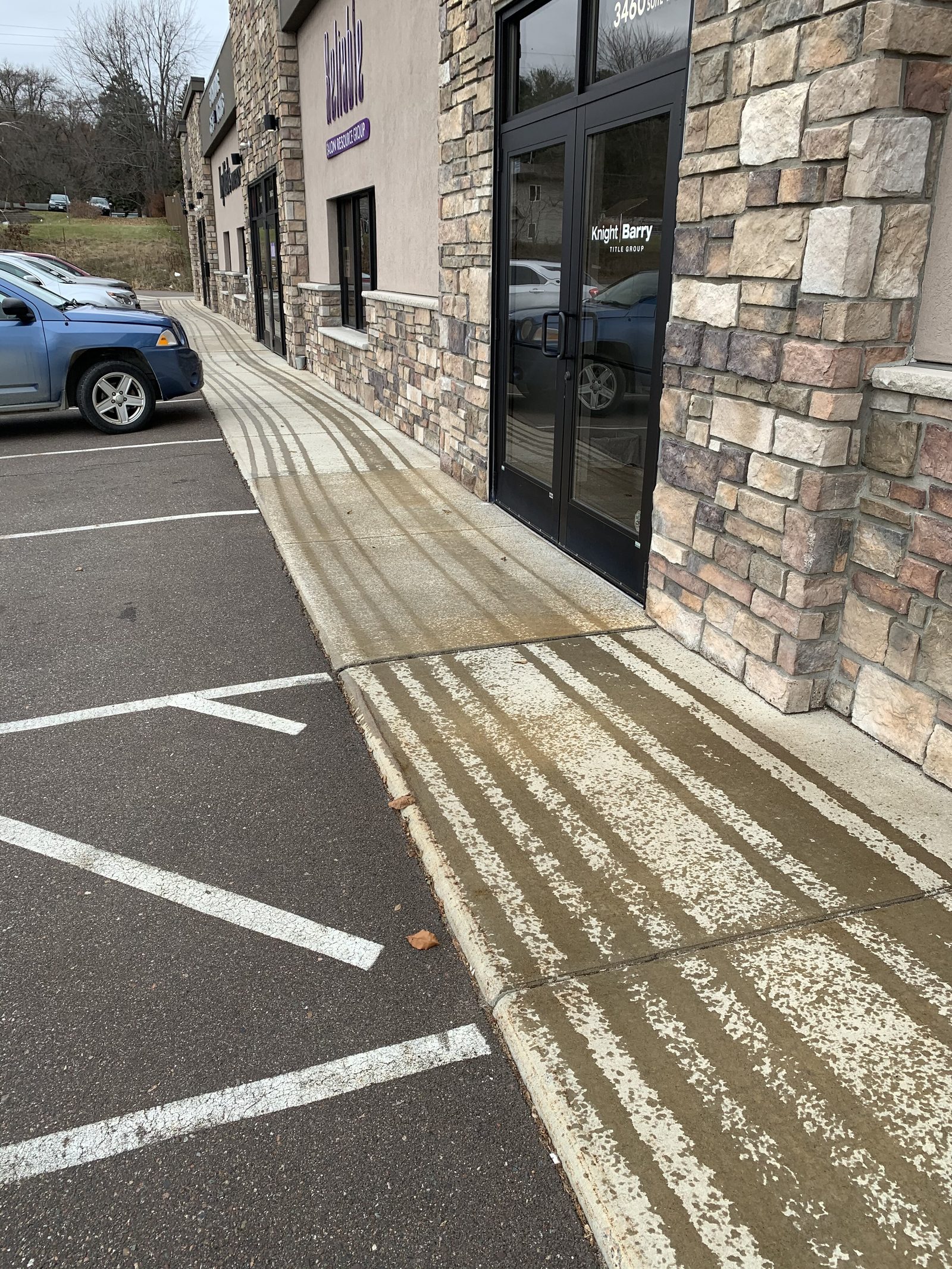
Per-push and time and materials are unpredictable for budgeting, and they create an uncomfortable dynamic where you are watching the clock and the salt bag. Seasonal pricing moves that risk to the contractor, and your number is fixed.
RainMaster prices seasonally and up front. The estimate is built from years of Minnesota snowfall data to project a range for the season, and snowfall totals are certified by a third-party weather service so both sides are working from the same numbers. Most customers divide the season cost into five equal payments.
Consider a multi-year term. Over three years, low-snow and high-snow winters average out, and the price is locked against increases. Make sure the contract states whether and how pricing can change mid-term.
Scope of work, in detail
Write down exactly what gets done. The questions that cause problems later:
- Is the property pre-treated before a storm, or only cleared afterward?
- Are sidewalks included, or only the parking lot?
- Is hand shoveling included? Do not assume. Many snow removal services in Minneapolis and Eau Claire do not offer sidewalk, door, and step clearing at all. Plenty of properties cannot be safely cleared by plow alone, and entrances, pathways, steps, and stairs are exactly where slip claims originate. RainMaster includes hand work where the plan calls for it.
- Is deicing included, and at what trigger?
- Is snow hauling included, automatic above a certain accumulation, or handled case by case?
Trigger events
The trigger is the snowfall depth that brings crews to your property. Set it low. Any trigger greater than one inch carries more liability than most commercial properties should accept, because it does not take much snow to create a hazardous surface, especially when a thin layer melts and refreezes.
At a one-inch trigger, crews arrive once an inch has fallen and push snow to the locations agreed in advance. During a longer storm that means multiple visits rather than one cleanup afterward. Spell out whether the contract covers repeat passes during a single event.
Also address ice separately from snow. Freezing rain produces no accumulation to plow and is the most dangerous condition of the winter, so the contract should say what happens when the trigger is ice rather than depth.
Your expectations, written as specifics
Scope says what services happen. Expectations say how they happen on your particular site.
- Where does the snow go? A surprising number of contracts never say. Snow placement is the single most common complaint, and piles in the wrong place block parking, sightlines, or drainage.
- Which areas are high priority and in what order?
- Where are the drains, so piles do not cover them and cause flooding at melt?
- Curb-to-curb clearing or a drive lane?
- Any restrictions on deicing products, for example near sensitive plantings, salt-sensitive hardscape, or pet traffic areas?
- Timing constraints, such as a lot full of cars at shift change or a site closed on weekends.
RainMaster walks the property with you before the season to work through these, then builds a custom snow response plan with a map and photos of the site after the proposal is accepted. The map includes where snow is to be placed. That document is what the crew works from at 2 a.m., which is the point.
Liability and documentation
Slip and fall exposure is the real financial risk of a winter, including legal costs, medical costs, and insurance consequences. Your contract should state clearly who is responsible for what, and it should commit the contractor to documentation you can actually use.
Documentation worth requiring:
- Before-and-after photos of each service visit.
- Time on site, clock-in and clock-out, by service type: plowing, shoveling, deicing.
- GPS verification of crew location.
- Recorded weather conditions during the service window.
RainMaster provides all of it, down to the specific window a crew was on site and the conditions at the time. If a claim is filed months later, a documented record of what was done and when is the difference between a defensible position and an argument.
Property damage and repair
Plows and snow piles damage things: turf edges, curbs, irrigation heads, landscape beds, signage, asphalt. The contract should say who repairs what and on what timeline.
Two provisions worth including. First, that staking or marking of vulnerable features happens before the season, so crews know where the irrigation heads and bed edges are. Second, that turf damage along plow lines is repaired in spring, since that is when the damage becomes visible and when repair actually works. If you also carry lawn care on the property, coordinate the two so spring repairs are scheduled rather than negotiated.
Start and end dates, and the obvious items
Finally, the basics that still get left out: the start and end dates of the service period, the payment schedule, notice requirements for cancellation, insurance certificates and coverage amounts, and who at each organization is the point of contact during an event. If a storm starts the night before the contract period begins, you want to already know the answer.
Bottom line
- Seasonal, up-front pricing gives you a budgetable number and moves snowfall risk to the contractor. Multi-year terms average out heavy and light winters.
- Set the trigger at one inch. Anything greater carries more liability than most commercial properties should take on.
- Specify snow placement on a map. It is the most common source of conflict and the item most often left out.
- Confirm hand shoveling in writing. Many providers do not clear sidewalks, doors, and steps, which is where slip claims come from.
- Require documentation: before-and-after photos, time on site by service type, GPS verification, and recorded weather conditions.
Frequently asked questions
What snowfall trigger should my contract use?
One inch. A thin layer of snow turns to ice quickly, and a higher trigger leaves your property untreated during exactly the conditions that generate claims.
Is seasonal pricing more expensive than per-push?
In a light winter it can be; in a heavy one it is far less. What it buys is a fixed number you can budget, and a contractor who has no incentive to add visits or product. A multi-year term smooths the variance further.
Does snow removal include sidewalks and steps?
Only if the contract says so. Many providers plow lots and do not offer hand work. Since entrances, steps, and walkways are the highest-risk surfaces on a property, confirm it in writing.
Who pays if a plow damages my landscaping?
Whatever the contract says, which is why it needs to address it. Have vulnerable features marked before the season and include a provision for spring repair of turf and bed damage along plow lines.
Wisconsin Department of Transportation, 511 Wisconsin winter travel and road conditions.
Wisconsin Department of Natural Resources, Chloride and winter salt use information.


