


What is Irrigation System Backflow Testing & Why is it Important?

Irrigation backflow testing is an annual inspection of the device that keeps water from your sprinkler system from flowing backward into the drinking water supply. A certified tester checks that the assembly holds pressure and seals correctly, then files the result with your municipality. Most cities in Minnesota and Wisconsin require it by law, and a failed or missing test can mean a fine or a water shutoff.
Of all the parts of a sprinkler system, the backflow device gets the least attention and carries the most consequence. It is the one component protecting the water coming out of your kitchen tap from the water sitting in your irrigation lines.
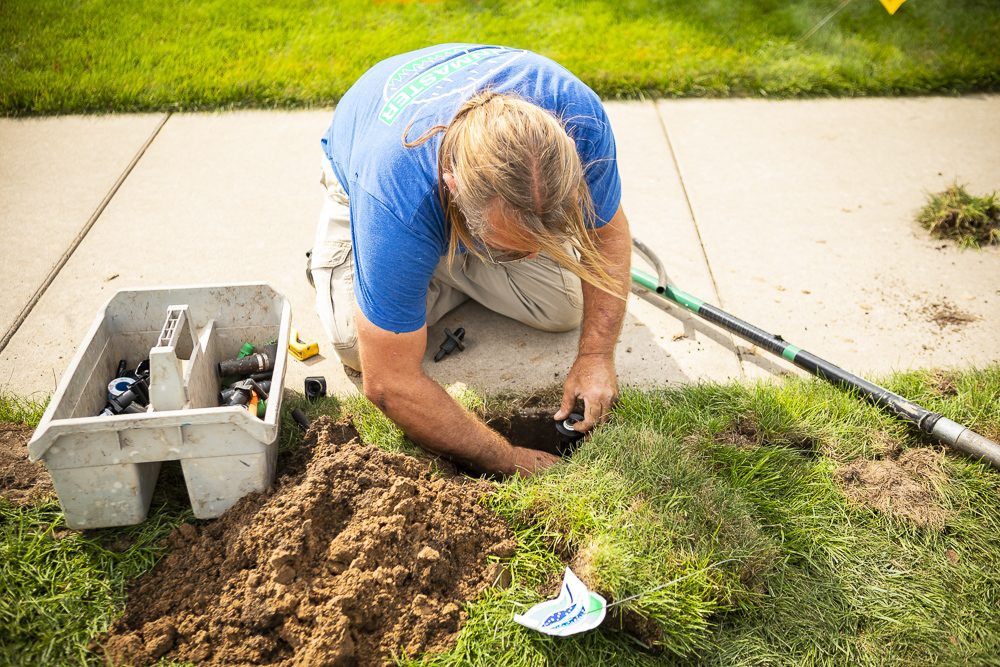

What a backflow device does
Most sprinkler systems are connected to the same potable municipal line that feeds the house. The water inside irrigation piping is not drinking water anymore. It sits in contact with soil, fertilizer, pesticide residue, and whatever is in the ground around a head or a cracked lateral. If that water moves backward into the supply line, it contaminates it.
Backflow happens when supply pressure drops suddenly and the normal direction of flow reverses. A water main break, a fire hydrant in use down the street, or heavy draw during a nearby repair will all do it. The backflow preventer is a mechanical assembly of checks and relief valves that closes when that happens and stops the reverse flow.
Like any mechanical device with springs, seals, and seats, it wears out. It can also fail from freeze damage, debris, or a stuck poppet, and it does all of that silently. Nothing about your sprinklers running normally tells you the assembly still works, which is the whole reason testing exists.
Why the annual test is required
Testing is not just a good idea. Most municipalities require an annual test of residential and commercial irrigation backflow assemblies, performed by a certified backflow assembly tester, with the results filed with the water utility. Skip it and the common penalties are a fine, a notice of violation, or having irrigation water service shut off until a passing test is on file.
Requirements vary by city, so the practical answer is that if your system is on municipal water, assume a test is due every year and find out which form your city wants.
How the test works
A certified tester attaches a gauge to the test cocks on the assembly and runs a short series of pressure checks. The tests confirm two things: that the check valves hold against reverse pressure without leaking by, and that the relief or vent opens at the right pressure. The whole process takes a few minutes on a device that passes.
At RainMaster we run backflow testing in spring as part of the irrigation activation visit. That is the logical time for it. The system is already being pressurized, zones are being checked, and the technician is at the valve anyway. It also puts the test right after the season most likely to have damaged the assembly.
Why spring, and why freeze damage matters here
In Minnesota and Wisconsin the backflow device spends four to five months in freezing conditions. If any water was left in the body of the assembly at winterization, the freeze expands it and cracks the housing or distorts the internal seals. We find failed assemblies at spring startup every year for exactly that reason, and nearly all of them trace back to an incomplete blowout the previous fall.
That is also why the device is drained and blown out as part of winterization rather than left to chance. A proper fall shutdown and a spring test are two halves of the same job.
Common assembly types on local systems
- Pressure vacuum breaker. Common on residential systems, installed above grade and above the highest head, which also makes it the assembly most exposed to freezing.
- Double check valve assembly. Two independent check valves in series, often installed below grade in a box.
- Reduced pressure zone assembly. Two checks plus a relief valve, used where the hazard level requires more protection, including many commercial sites.
Which one you have was determined by your installer and your local code. What matters to you is that it is the right type for the site, it is installed at the correct height and orientation, and it gets tested.
The paperwork side
When a system is installed, the installer registers the backflow device with the municipality. After that, someone has to file the inspection paperwork every year so the city has a record that the required test was performed. For our customers we handle both the test and the filing, which means the annual requirement is not something you have to track or remember.
What to do if your device fails
A failed test usually means a repair kit, meaning new seals, springs, and seats, rather than a full replacement. If the body itself is cracked from freezing, the assembly gets replaced. Either way the repair happens before the system is cleared for the season, and a passing test is filed afterward. Running a system on a failed assembly is both a code problem and a real contamination risk.
Keeping it off your calendar
Backflow testing is one of those small annual obligations that is easy to forget until the city sends a letter. It is included in our irrigation maintenance programs, which come in three levels, alongside spring activation, mid-season checks, and fall winterization. If you would rather not track it yourself, that is the straightforward fix. You can request a quote and we will walk through which level fits your system.
Bottom line
- The backflow device prevents irrigation water, which carries soil, fertilizer, and pesticide residue, from reversing into the drinking water supply.
- Most Minnesota and Wisconsin municipalities require an annual test by a certified backflow assembly tester, with results filed with the utility.
- The test is a short series of pressure checks confirming the check valves hold and the relief or vent opens correctly.
- Spring activation is the right time to test, because freeze damage from an incomplete fall blowout is the most common failure we find.
- A failed assembly is usually repaired with new seals and springs; a cracked body gets replaced.
Frequently asked questions
How often does irrigation backflow testing need to be done?
Once a year in most municipalities. If your system is connected to municipal water, assume an annual test is required and confirm the filing requirements with your water utility.
What happens if I skip backflow testing?
Cities enforce this. The usual consequences are a fine or a notice of violation, and some utilities will shut off water service until a passing test is on file.
Who is allowed to test a backflow preventer?
A certified backflow assembly tester. Certification is what allows the result to be filed with the municipality, so a general handyman check does not satisfy the requirement.
Does backflow testing happen at the same time as sprinkler startup?
It can, and that is how we schedule it. The system is already being pressurized and inspected at spring activation, which makes it the efficient time to test and the right time to catch winter freeze damage.
Irrigation Association, Backflow prevention and certification resources.
EPA WaterSense, Outdoor water use and irrigation system guidance.


