


Everything Homeowners Need to Know About Ice Dams
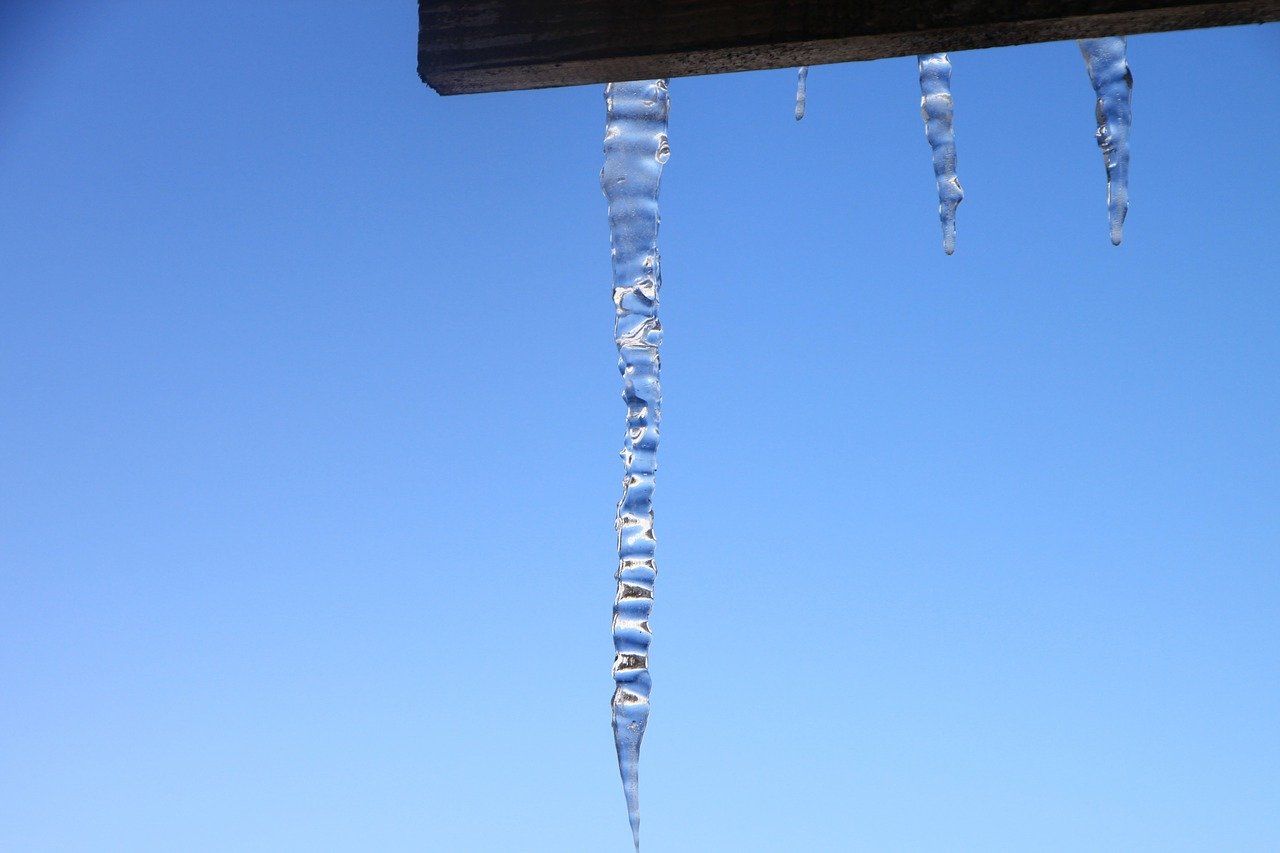
An ice dam is a ridge of ice at the edge of a roof that stops melting snow from draining. The water backs up behind it, works under the shingles, and ends up in the walls and ceilings. The cause is almost always the same: heat escaping from inside the house.
What causes an ice dam
Ice dams are a temperature problem, not a weather problem. Heat loss from the interior warms the roof deck, which melts the snow sitting on it. That meltwater runs down to the eaves, which are not warmed from below, and refreezes there. A Chippewa Valley winter runs that cycle for weeks on end, because snow stays on the roof instead of melting off between storms, and the Twin Cities get the same thing with a few more thaw days mixed in. Each cycle adds to the ridge of ice until water pools behind it and finds its way under the shingles.
The heat usually gets into the attic through gaps that act like chimneys: openings around plumbing vents, electrical wiring, recessed lights, and attic hatches. Warm air rises through them, heats the attic, and heats the roof.
How to fix the underlying problem
- Seal the air leaks. Spray foam around plumbing vents, wiring penetrations, and other gaps is a straightforward way to stop warm air from entering the attic.
- Add insulation. Even where there are no visible gaps, an under-insulated attic lets enough heat through to melt roof snow. Adding insulation keeps the roof deck at the same temperature as the outside air, which is the goal.
- Keep the attic ventilated. Soffit and ridge ventilation moves cold air through the attic so heat that does get in is carried out.
Measures that manage the symptoms
Heat tape. Specialty low-temperature heat tapes run along gutters and roof edges to break the melt-and-freeze cycle and keep a drainage channel open. This is a useful tool on a problem roofline, but it manages the symptom rather than removing the cause.
Clearing snow. A roof rake used from the ground removes the snow that feeds the dam. Do not climb onto an icy roof or try to chip the ice off; both damage shingles and are dangerous.
Watch the gutters
Gutters that fill with ice get heavy fast. The weight can pull them into a sag or tear them off their mountings entirely. Clean gutters in the fall so water drains freely, and keep downspout outlets clear at ground level so they are not draining into a block of ice.
Signs you already have a problem
Look for icicles along the eaves backed by a visible ridge of ice, water staining on ceilings or at the top of exterior walls, damp insulation in the attic, or peeling paint near the roofline. Any of those means water is already getting in, and the attic is the place to start looking.
Bottom line
- Ice dams form when heat escaping into the attic melts roof snow that refreezes at the cold eaves.
- The real fixes are air sealing, added insulation, and attic ventilation that keeps the roof deck cold.
- Heat tape and roof raking manage the symptom; they do not remove the cause.
- Ice-filled gutters can sag or tear loose, so keep them clean and drains clear before winter.
Frequently asked questions
Are icicles always a sign of an ice dam?
Not always, but a row of large icicles backed by a ridge of ice at the eaves usually means meltwater is being trapped.
Should I chip ice off my roof?
No. Chipping damages shingles and gutters, and working on an icy roof is dangerous. Use a roof rake from the ground or hire a service that uses low-pressure steam.
Will more insulation alone solve it?
Often, but air sealing comes first. Insulation slows heat transfer; it does not stop warm air moving through an open gap.
Does ice damming have anything to do with my irrigation system?
No, but the same winter checklist applies to both: a fall blowout protects the irrigation system while gutter cleaning and attic sealing protect the roof.
University of Minnesota Extension, Dealing with ice dams.


