


What Happens to Your Lawn if You Stop a Lawn Care Program Abruptly

Canceling a lawn care program is not automatically a problem. What happens next depends entirely on what replaces it. Leave the lawn with no plan and the decline starts within weeks, because the things a program was holding back are still out there.
Option one: do nothing
If you have been fertilizing and controlling weeds and insects and then simply stop, the lawn loses both its nutrient supply and its protection at the same time. Within one season you will see slower growth, thinner stands, faded color, and a lawn that is noticeably less able to fight off whatever shows up.
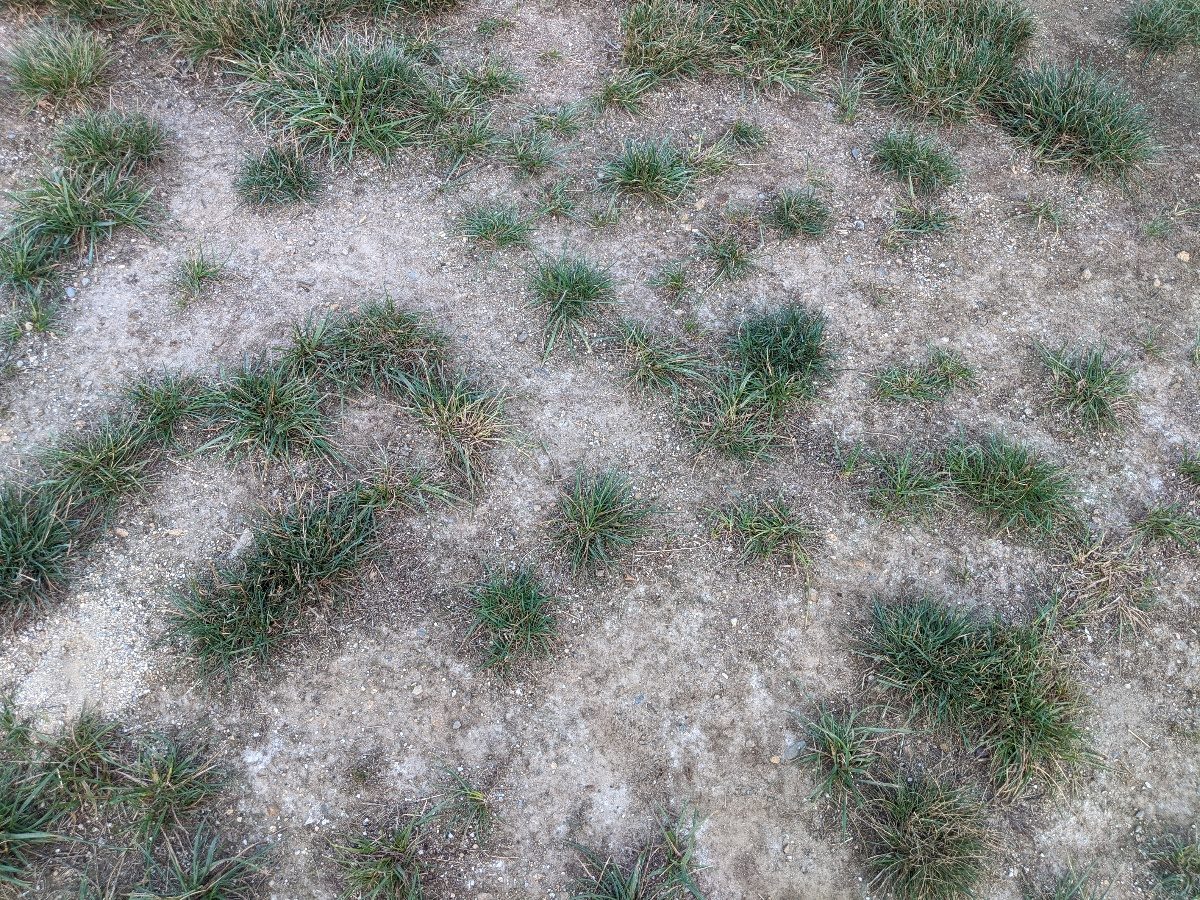

That weakened condition is what invites the real problems.
Crabgrass moves in
Crabgrass is a summer annual grassy weed that germinates from seed every spring, spreads fast in thin turf, and outcompetes desirable grass for water, light, and nitrogen. It dies at the first hard frost, but by then it has set an enormous amount of seed, and seed that does not germinate this year can germinate in future years.
Control depends on pre-emergent timing, which means getting product down before soil temperatures hold around 55 degrees. Waiting until you can see crabgrass means switching to post-emergent treatment on a plant that is already established, which is harder, slower, and more expensive.
Grubs feed on the roots
White grubs are the larvae of Japanese beetles, June beetles, European chafers, and other beetles. They feed on grass roots and organic matter in the soil, and because they sever the roots, affected turf lifts away from the soil like loose carpet and dies in patches.
One point to get right, because the common version is wrong: preventive grub control does not kill eggs. Preventive products are applied so the active ingredient is present in the root zone when eggs hatch in midsummer, so the newly hatched larvae ingest it while they are small and easy to kill. The reason timing matters is that large, late-instar grubs in fall are much harder to control. Damage often seems to appear overnight, but what actually happens is that feeding goes on unnoticed for a couple of weeks until the turf loses enough root mass to collapse under the next dry stretch.
Disease finds the opening
Fungal disease takes hold on stressed turf, and an unfertilized, compacted lawn qualifies. Red thread, dollar spot, necrotic ring spot, and ascochyta leaf blight all show up in Eau Claire and Twin Cities lawns, and several of them are tied directly to low nitrogen or to compaction rather than to bad luck. Snow mold is the other one to count on, since months of unbroken snow cover sitting on unfed, matted turf is exactly the setup it wants, and the damage only becomes visible at melt. A regularly fed and aerated lawn is substantially more likely to recover on its own.
Meanwhile the curb appeal cost is real. The longer the decline runs, the more the eventual fix moves from maintenance into renovation, which costs more and takes longer.
Option two: switch to DIY
Plenty of people cancel to save money and do it themselves, and some of them succeed. The two reasons it usually does not work are time and specificity.
Time is the obvious one. The applications that matter are tied to narrow windows, pre-emergent to soil temperature in spring, grub control before hatch in early summer, broadleaf control in fall, and those windows do not move for a busy weekend.
Specificity is the one people underestimate. No single product controls all weeds. Pre-emergent does nothing to an emerged plant. Granular fertilizer has to go down at a calibrated rate, and most homeowner spreaders have never been calibrated at all. Seed quality varies enormously, and bargain bags frequently contain weed seed. And some lawns need things that are not sitting on the shelf at all: a correction for soil pH, iron or magnesium for color, humic acid or compost for organic matter, or core aeration for compaction.
If you go the DIY route, be realistic about which applications you will actually make on time, and consider doing the timing-critical ones professionally even if you handle the rest.
Option three: hire a different company
If you are stopping because the last company let you down, that is a legitimate reason. Missed visits, promises that did not materialize, price increases with no notice, and no visible improvement are all fair grounds.
The key is not leaving a gap. Switch directly rather than letting the lawn sit through a season uncovered, because the cost of a gap is paid in next year's weed pressure.
What you want from the replacement is the same thing you wanted from the first one, stated specifically:
- Enough fertilizer, not just enough visits. Ask how much product the program delivers over the season.
- Weed control that is matched to the weed, with both preventive and curative treatments from early spring through late fall.
- Grub control that lasts the full season, including the fall feeding period, not just the first few months.
- Technicians who report what they saw, because catching early signs of beetle activity, grub feeding, or disease is most of the value of having someone on the property every few weeks.
That is what our lawn care programs are built around, at three levels so you can match the plan to what the lawn actually needs.
Before you cancel, one honest question
Is the problem the company or the timeline? Lawn work is slow. Weed control commonly takes ten days or more to show visible results, and a genuinely struggling lawn needs three to four months of consistent care before the improvement is obvious. If you are a month in and frustrated, a direct conversation about expectations often fixes more than a switch does.
If you have already had that conversation and nothing changed, then switch, and do it without leaving the lawn unprotected in between.
Bottom line
- Stopping a program with nothing to replace it leads to visible decline within one season, mostly through weeds, grubs, and disease.
- Crabgrass control depends on pre-emergent timing. Once it emerges, control is harder and more expensive.
- Preventive grub control does not kill eggs. It works by being present in the root zone when larvae hatch and feed.
- DIY fails most often on timing and on product selection, not on effort.
- If you are switching companies, switch directly rather than leaving a season uncovered.
Frequently asked questions
How quickly will my lawn decline if I stop lawn care?
Expect visible thinning and color loss within one growing season, and a noticeable jump in weed pressure the following spring, since the seed produced during the uncovered year germinates then.
Does preventive grub control kill the eggs?
No. The product is in place so that newly hatched larvae ingest it while they are small. That is why application timing ahead of midsummer hatch matters, and why treating large grubs in fall is much less effective.
Can I switch lawn care companies in the middle of the season?
Yes. Cancel in writing and get confirmation so you are not billed twice or visited after canceling, then start the new program immediately. A competent new company will ask what went wrong with the last one before they quote.
How long before a new program shows results?
Weed control generally takes ten days or more to show, and a lawn that needs real improvement takes three to four months to look clearly better. Density and color improvements that last build over a full year.
University of Wisconsin Division of Extension, White grubs in lawns.
University of Wisconsin Division of Extension, Crabgrass management in lawns.


