


What Happens to Grass in Winter? Is Your Lawn Dead or Dormant?
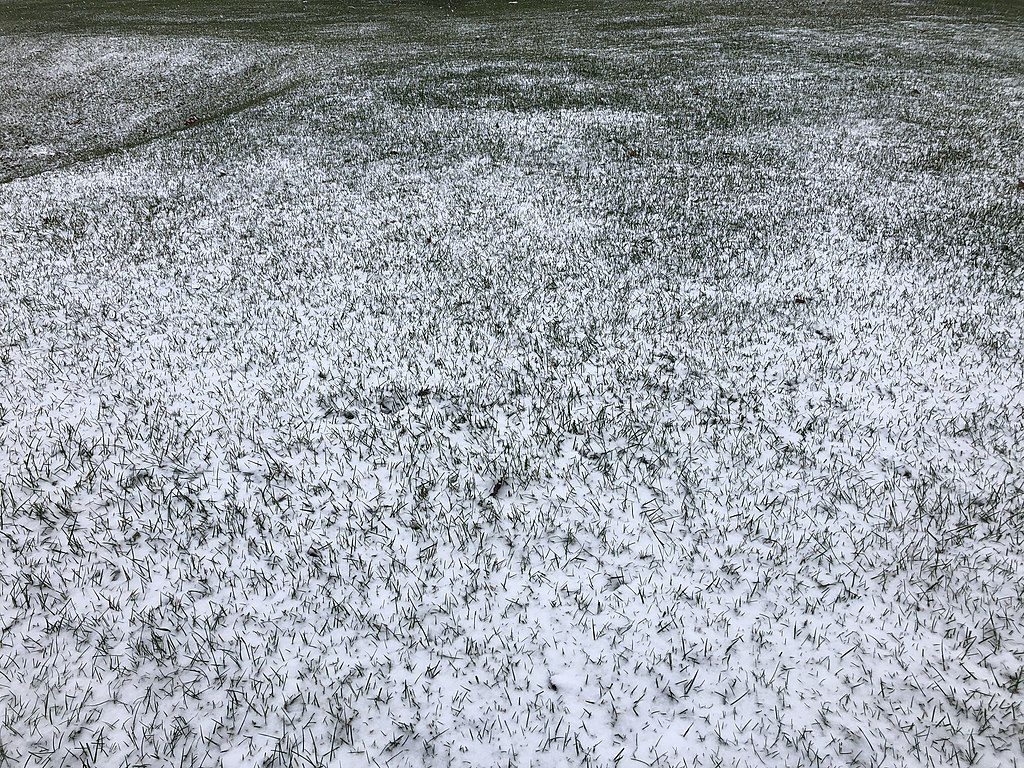
Brown grass in November is not a problem, it is a cool-season lawn shutting down for the season. The question worth answering is whether a brown patch you are looking at is dormant turf that will green up or dead turf that needs seed. There is a simple test for that, and a short list of things worth doing before the lawn wakes up.
What happens to grass in winter
Lawns in Wisconsin and Minnesota are built on cool-season grasses: Kentucky bluegrass, perennial ryegrass, and fine fescues. These grasses do their real growing in the cool, moist stretches of spring and fall. As soil temperatures drop in late fall, top growth stops, the blades lose color, and the plant shifts its energy into the crown and root system. Carbohydrates built up during the fall get stored there for the winter.
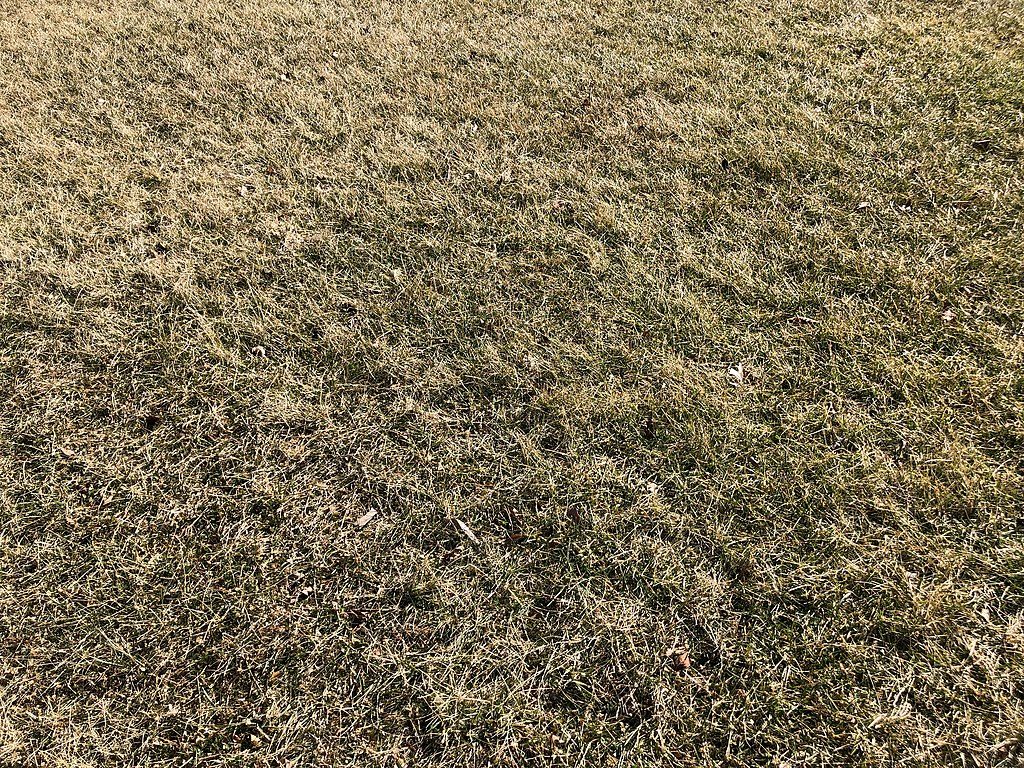
Dormancy is a survival strategy, not an illness. Under snow cover the crown is insulated and protected from the drying wind and the hard temperature swings that do the real damage up here. A winter with deep, consistent snow is usually easier on turf than a cold, bare, windy one.
Is my grass dead or dormant?
Use the tug test. Grab a clump of grass and pull.
- It resists and stays anchored: the root system is intact. That grass is dormant and will green up with warmth and water.
- It lifts out easily with no roots holding it: that area is dead and will need overseeding.
A second check is color and pattern. Dormant turf browns evenly across whole exposed areas. Dead turf tends to show up as defined patches, strips along the driveway, matted gray or pink circles from snow mold, or long runways where voles fed under the snow. Those patterns point at a cause you can fix.
What to do in winter
Mostly, stay off it. Foot traffic and parked vehicles on frozen or saturated turf crush crowns and compact soil, and both show up as damage in April. Beyond that, winter is planning season. Good lawn care companies in Eau Claire and the Twin Cities fill their spring schedules early, so booking in winter is how you make sure the first crabgrass application lands on time rather than three weeks late.
One more winter item that actually matters here: watch where the snow and de-icing salt goes. Piles of plowed snow carrying road salt kill turf along driveways and sidewalks. Where you can, push snow onto beds or pavement instead of onto the same strip of lawn every storm.
What to line up for spring
Light cleanup
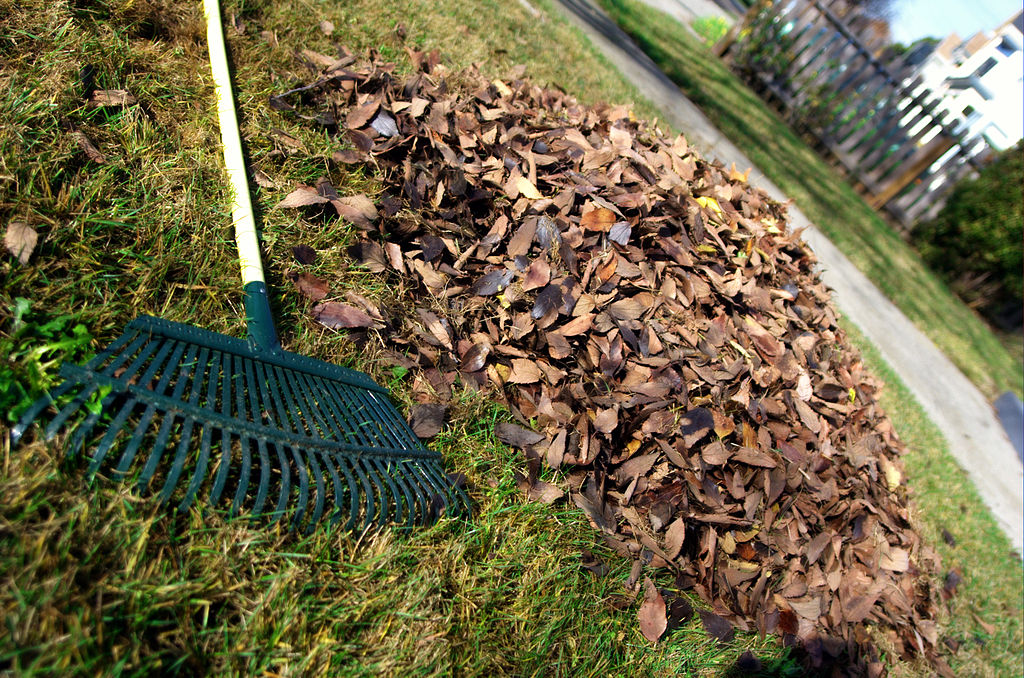
Rake lightly to pull up matted dead grass, leaves, and debris you missed in the fall, which also breaks up snow mold and lets the canopy dry. Be gentle. A hard raking in early spring tears out crowns that are just coming out of dormancy.
Crabgrass pre-emergent, on time
Timing is everything with crabgrass. The application has to be down before the seed germinates, and germination is driven by soil temperature, not the calendar, which is why the start date here can range from March into May. RainMaster lawn care customers in Minneapolis and Eau Claire get two crabgrass treatments, one in early spring and a second in late spring, which extends the window of protection instead of betting the whole season on one application.
Grub control
Preventive grub control goes down in spring so the material is in place in the root zone when beetle eggs hatch later in the summer. RainMaster customers get Bee-Safe Grub Guard on the first visit of the season, and it carries through the growing season rather than fading before the late summer hatch.
Fertility and seeding
Spring fertilizer gets the lawn growing again, and bare patches found during cleanup should be seeded as soon as the soil is workable. Keep in mind that spring seeding competes with crabgrass pressure and summer heat, so patches seeded in April need attention through July. For a larger renovation, fall is the better bet.
Why the rest of the year decides how winter goes
A lawn's ability to come through a Wisconsin or Minnesota winter is set before the snow flies. Turf that went into fall thick, deep-rooted, well fed, and mowed at three inches or better handles cold, snow mold pressure, and vole activity far better than thin, compacted, short-mowed turf. That is the real argument for a season-long lawn care program rather than a couple of reactive applications: the fall work is what you are looking at in April.
The same goes for water. A lawn that spent the summer on short daily sprinkler cycles never rooted deeply, and shallow-rooted turf is the first thing to fail under winter stress. If your coverage or scheduling is off, a sprinkler system tune-up in spring is worth more than another bag of fertilizer.
Bottom line
- Cool-season grass goes dormant, not dead. Growth stops and energy moves into the crown and roots.
- Tug a clump. If it holds, it is dormant. If it pulls free with no roots, plan on overseeding.
- Stay off frozen and saturated turf, and keep salted snow piles off the same strip of lawn every storm.
- Crabgrass pre-emergent timing runs on soil temperature, so the start date here ranges from March to May.
- How a lawn survives winter is decided by the previous fall: mowing height, fertility, and root depth.
Frequently asked questions
Should I water my lawn in winter?
No. Dormant turf is not taking up water, and frozen ground cannot absorb it. The watering that matters is fall watering, right up until you winterize the irrigation system, so the lawn goes into the freeze without being drought stressed.
My lawn is brown in patches, not all over. Is that normal?
Even browning is normal dormancy. Patchy damage points to a cause: gray or pink matted circles are snow mold, narrow runways of chewed grass are voles, and dead strips along pavement are usually de-icing salt. Each one calls for a different fix.
When will my grass green up again?
Once soil temperatures rise and there is moisture available, which in the Chippewa Valley and the Twin Cities generally means April. Sunny south-facing areas green up first and shaded north sides lag behind by a couple of weeks.
Is it worth booking lawn care in the winter?
Yes, for a practical reason. Spring schedules fill, and the first application of the year is the one with the tightest timing window. Booking in winter is how you get the pre-emergent down when soil temperatures call for it.
University of Minnesota Extension, Fertilizing lawns.
University of Wisconsin Extension, Lawn establishment and renovation.


