


Is That A Weed Or Grass? 5 Grassy Lawn Weeds That Hide In Plain Sight

Broadleaf weeds announce themselves. Grassy weeds do not, which is why they are usually well established before anyone notices, and why they are the hardest group to control in a cool-season lawn.
How to spot a grassy weed
Clover and dandelion are obvious because wide leaves stand out against narrow grass blades. Grassy weeds have the same narrow leaves as your lawn, so identification comes down to differences in texture, color, and growth rate rather than shape.
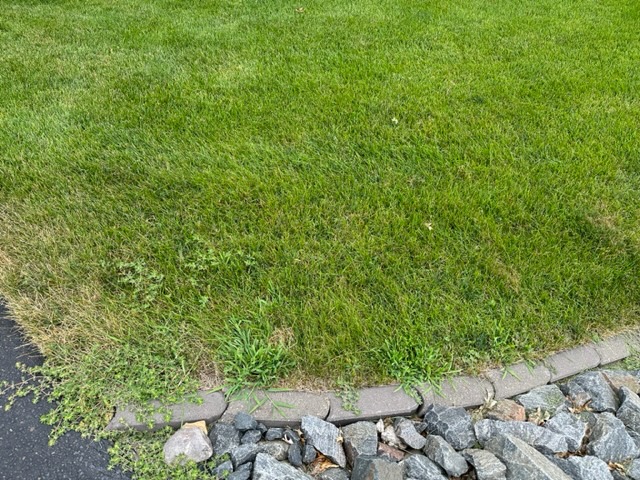
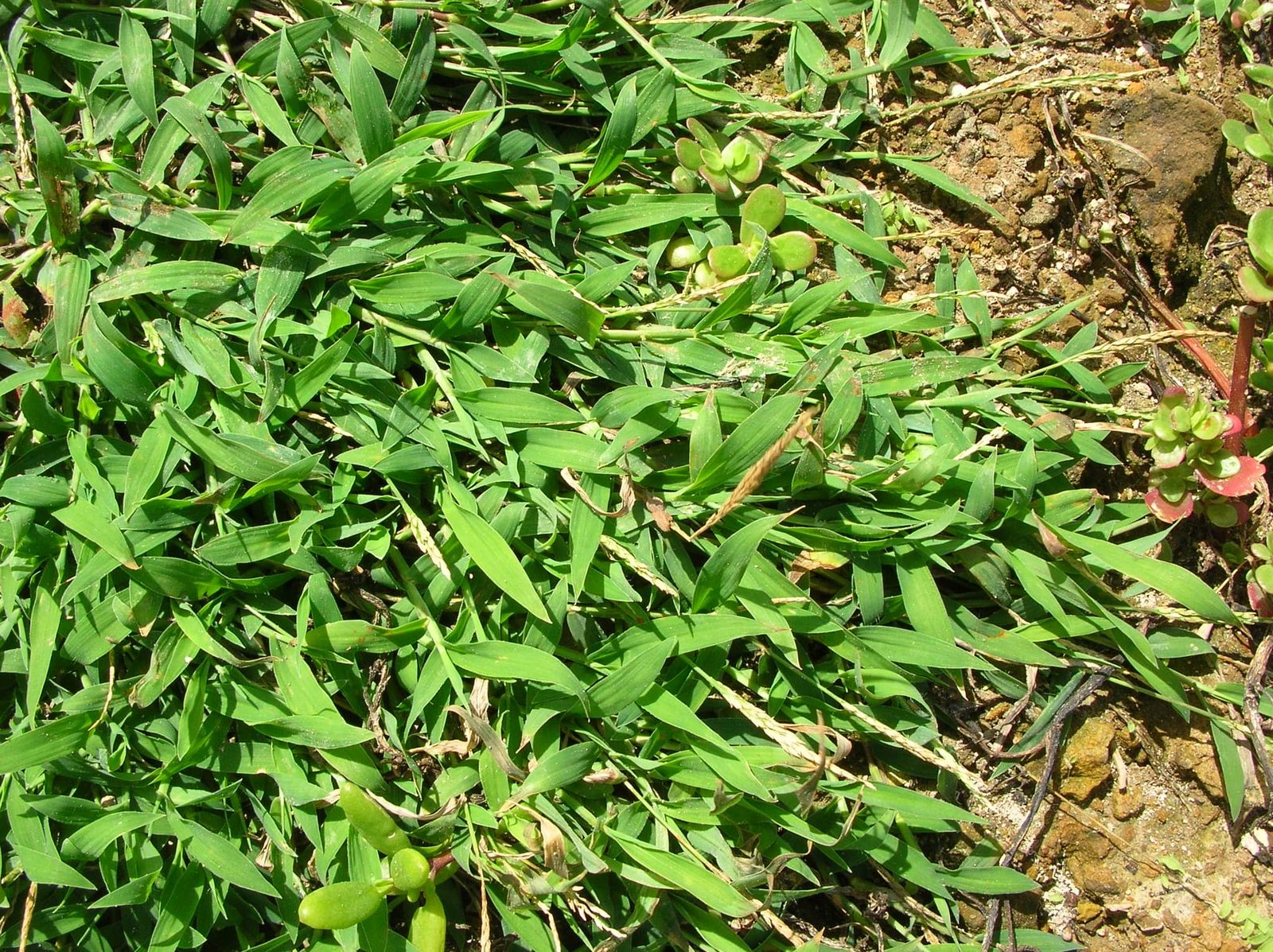
What to look for: patches that grow noticeably faster than the surrounding lawn, a coarser or glossier leaf texture, a different shade of green, seed heads appearing at the wrong time, or a patch with a distinct circular or spreading outline. If an area looks slightly off and you cannot say why, look closely at a single plant.
Why they matter
Grassy weeds spread fast and crowd out the species you want, which leaves an uneven, patchy lawn with different textures and colors. Worse, most of them have no selective herbicide, meaning there is no product that kills the weed and spares the lawn. Control gets harder every season you wait.
Crabgrass
The best known of the group, and the easiest to identify once you know it: coarse, light green, with stems branching out low and flat from a central point, which is where the name comes from. It is a summer annual, so it germinates each spring, grows aggressively through the heat, sets enormous amounts of seed, and dies at frost, leaving bare patches.
A single plant can produce many thousands of seeds, and that seed stays viable in soil for years. That is why one clean season does not solve crabgrass.
Control: pre-emergent, applied before soil temperatures reach the mid 50s and seed germinates, which in Eau Claire and the Twin Cities generally means somewhere between mid April and mid May depending on how the spring breaks. Post-emergent options on established crabgrass are limited and inconsistent. RainMaster makes two pre-emergent applications, early and late spring, because one holds for roughly six weeks and the germination window is longer than that. Ongoing inspection matters too, since even good pre-emergent coverage lets some plants through.
Creeping bentgrass
A fine-textured grass used on golf greens, where it is desirable. In a home lawn it is a weed, and it typically arrives on shoes, clubs, or cart tires. Identify it by dense circular patches of very fine grass that grow over the top of the surrounding lawn, often with a slightly puffy or matted look.
Control: prevention is the cheap option. Rinse shoes and equipment after a round. Once bentgrass is established, mesotrione products such as Tenacity can suppress or remove it over multiple applications, applied strictly according to the label. Expect to reseed the patches.
Yellow nutsedge
Not a grass at all. Nutsedge is a sedge, with a triangular stem in cross section, and that distinction is why grass herbicides do not touch it. Identify it by bright yellow-green, waxy, stiff leaves that grow faster than the lawn and stand taller than everything around them within days of a mow.
It is perennial and it propagates two ways: by seed, and by underground tubers called nutlets. Those tubers are the problem. They can persist in soil for years before sprouting, and pre-emergent herbicides do not stop them.
Control: suppression rather than elimination. Sedge-specific products applied to actively growing plants work, and it takes repeat spot treatments over two to three seasons to clear a patch. Improving drainage helps, since nutsedge favors consistently wet ground, so a leaking valve or a chronically soggy low spot is often the real cause. RainMaster includes nutsedge suppression as needed, once or twice a season, at no additional charge in the lawn care programs.
Quackgrass
Coarse, blue-green, with wide flat blades and a pair of small claw-like projections where the leaf wraps the stem. It spreads by aggressive underground rhizomes, which makes hand pulling nearly useless; the piece left behind generates a new plant.
Quackgrass also produces compounds that inhibit the growth of nearby plants, including your lawn, so a quackgrass patch expands faster than it should. Being perennial, it survives pre-emergent applications entirely, and tilling makes an infestation worse by chopping rhizomes into propagating pieces.
Control: there is no selective herbicide for quackgrass in a cool-season lawn. The options are a non-selective spot treatment or digging it out with the full rhizome mass, both of which leave a dead patch to reseed. Accept the temporary patch; leaving quackgrass alone means a larger patch next year.
Annual bluegrass
Poa annua starts out looking like desirable lawn grass, slightly lighter green and finer, then gives itself away by producing abundant whitish seed heads at low mowing heights before dying out in midsummer heat. Dead patches in July are the usual complaint.
It is an annual that reproduces by prolific seed production, not by rhizomes, so the seed bank is what makes it persistent. It thrives in compacted, moist, closely mowed areas, which is why it concentrates along walks, in low spots, and wherever the lawn is kept short.
Control: cultural first. Raise the mowing height, relieve compaction with annual core aeration, and fix the drainage or overwatering that keeps those areas wet. There is no practical way to remove established annual bluegrass selectively from a cool-season lawn, so persistent patches come down to non-selective spot treatment and reseeding.
The best defense is a lawn with no room in it
Every weed in this list is opportunistic. A dense stand of healthy grass does not give them an opening.
- Watering. Most lawns need one to one and a half inches of water per week including rain. Deliver it in longer cycles once or twice a week rather than daily, which drives roots deeper. Constant surface moisture is specifically what nutsedge and annual bluegrass want. A properly designed irrigation system makes this consistent.
- Fertilizing. A hungry lawn thins, and thin lawns invite grassy weeds. Feed across the season rather than once in spring, and use a quality product applied at the labeled rate.
- Mowing. Hold three to three and a half inches. Taller grass shades the soil, keeps weed seed from germinating, and leaves enough leaf surface that the plant is not stressed.
- Aerate and overseed annually, late August through mid September, to keep the stand thick enough that there is nowhere for a weed to start.
Because these species emerge at different times and most require repeat treatment, grassy weed control is a program, not an event. A lawn care program with five visits a season is what makes the repeat timing happen.
Bottom line
- Grassy weeds hide because they share the lawn's narrow leaf shape. Look for differences in growth rate, texture, and color.
- Crabgrass has to be stopped with pre-emergent before germination, and one application covers only about six weeks of the window.
- Yellow nutsedge is a sedge, not a grass. It regrows from underground tubers, pre-emergent does not stop it, and the goal is suppression.
- Quackgrass and annual bluegrass have no selective control in a cool-season lawn, so spot treatment and reseeding is the honest answer.
- Annual bluegrass spreads by prolific seed, not rhizomes, and favors compacted, wet, closely mowed areas.
Frequently asked questions
How do I tell nutsedge from grass?
Roll the stem between your fingers. A sedge stem is triangular in cross section; grass stems are round. Nutsedge also has stiff, waxy, yellow-green leaves and grows visibly taller than the lawn within a few days of mowing.
Can I pull quackgrass out by hand?
Not effectively. It spreads by rhizomes, and any fragment left in the soil starts a new plant. Pulling and tilling both tend to make the patch larger.
Why does part of my lawn die in July every year?
Annual bluegrass is a likely explanation. It looks like lawn grass in spring, seeds heavily, and then dies out in summer heat, leaving the dead patches you are seeing.
Will crabgrass pre-emergent control the other grassy weeds?
No. Pre-emergent works on germinating seed, and bentgrass, quackgrass, and nutsedge are perennials that regrow from existing plants, rhizomes, or tubers. Each one needs its own approach.
University of Wisconsin Division of Extension, Crabgrass Management in Lawns.
University of Wisconsin Division of Extension, Horticulture lawn and weed identification resources.


