


9 Ways to Control Ticks & Mosquitoes in Your Yard in Eau Claire, WI & Minneapolis, MN

Ticks and mosquitoes use the same part of your yard: damp, shaded, sheltered ground along the edges. That overlap is useful, because the habitat changes and the barrier treatment that reduce one also reduce the other.
Ticks: how they find you
Ticks do not fall from trees and they do not jump. They climb to the tips of grasses, low brush, and leaf litter and wait with their front legs extended, a behavior called questing, until a host brushes past. Then they grab on and crawl until they find skin.
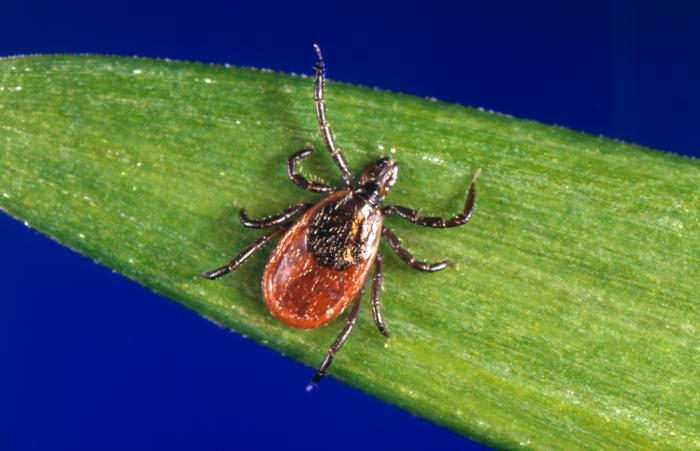
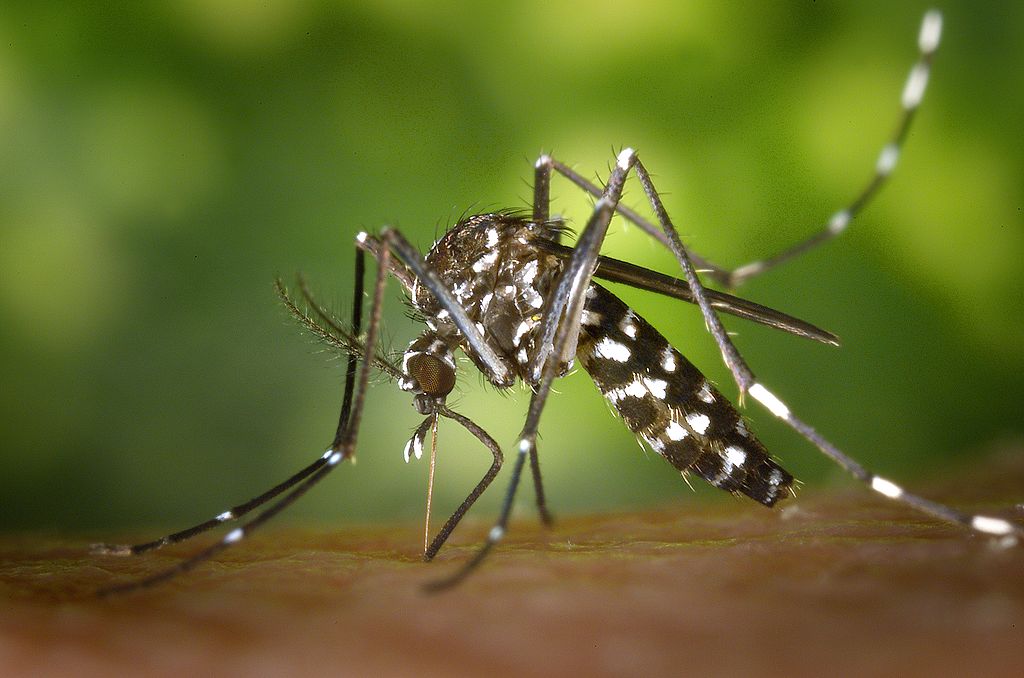
Once attached, a tick cuts into the skin and inserts a feeding tube, then feeds slowly over several days. Small amounts of its saliva enter the host during that process, which is the route by which pathogens are transmitted. Lyme disease is the most common tick-borne illness in Wisconsin and Minnesota, carried by the blacklegged tick, also called the deer tick, and reported cases in both states have trended upward over the past two decades.
Time attached matters, which is why a check after being outside is the single most effective personal habit. Remove an attached tick promptly with fine-tipped tweezers, pulling straight out from the skin.
Where ticks are on your property
Not in the middle of your lawn. A sunny, mowed, open lawn is poor tick habitat because it dries out and gets hot. Ticks concentrate where the yard meets woods or brush, in shaded ground with damp leaf litter, under and behind shrubs, in tall grass along fence lines, and around woodpiles and stone walls where small mammals travel.
Mosquitoes: why they are in your yard and not your neighbor's
Mosquito bites spread viruses, and West Nile virus is the most common mosquito-borne virus in the continental United States. Even without disease, they are what sends you inside on a July evening.
Every mosquito needs water to complete its life cycle. Some species lay eggs directly on standing water, others on moist soil or on the sides of containers that fill later. The implication is that mosquito pressure is usually local and usually produced on your own property. A clogged gutter, a tipped wheelbarrow, or a saucer under a planter can produce generations of mosquitoes in a season.
During daylight adults rest in cool, humid, shaded places, under leaves, below decks, inside dense shrubs, because open sun and wind dry them out. They come out at dusk and dawn to feed. Those daytime resting spots are what a barrier treatment targets.
How barrier spray works
The most effective yard treatment is a barrier application to the places both pests actually spend their time, rather than a fog over the open lawn. We spray the perimeter and the specific harborage areas:
- The undersides of plant leaves
- Shady areas
- Wet areas and low spots that hold water
- Under decks
- Under tree canopies
- Wood piles
Mosquitoes and ticks that contact the treated surfaces are killed, which is why the effect lasts weeks rather than minutes. RainMaster's barrier spray reduces mosquitoes and ticks on your property through the season with regular visits every three weeks. That covers a summer in the backyard or at a lake cabin.
Two pests, one price
Many companies bill mosquito control and tick control separately even though the same application addresses both. We do not. The service starts at $579 for a season depending on the size of the yard, with applications every three weeks. One visit covers ticks and mosquitoes for that three week interval.
Eight habitat changes that make the treatment work harder
- Eliminate standing water, weekly. Old tires, clogged gutters, buckets, wheelbarrows, empty flower pots, tarps, kiddie pools, and birdbaths. This is the highest-value step on the list, because no barrier treatment compensates for a yard that is breeding mosquitoes.
- Remove leaf litter. Damp leaf layers are where ticks survive summer heat and where mosquitoes shelter.
- Clear tall grass and brush around the house and along the lawn edge, especially where the yard meets woods.
- Keep the lawn mowed. Short, dry, sunny turf is hostile to ticks.
- Stack wood neatly and keep it dry. Loose damp woodpiles shelter both pests and the rodents that carry ticks.
- Move playsets, decks, and patios away from yard edges and tree lines. Put the places people sit in the sunny, open middle.
- Discourage wildlife. Fencing that keeps deer, raccoons, rodents, and stray animals out reduces the ticks they carry in.
- Get rid of old furniture, mattresses, and trash sitting in the yard, which give ticks shaded cover.
A wood chip or gravel border two or three feet wide between the lawn and a wooded edge is also worth considering. It is a dry, hot strip that ticks avoid crossing, and it marks the line for family and pets.
Habitat work plus a barrier program on a three week cycle is what makes a yard usable again. See mosquito and tick control for what a season looks like on your property, and keep up the tick prevention your veterinarian recommends for pets regardless, since a yard treatment lowers exposure at home but does not protect the animal itself.
Bottom line
- Ticks quest on the tips of grass and brush along yard edges. They do not drop from trees, and open mowed lawn is poor habitat.
- Mosquitoes breed in standing water on your own property, so weekly dumping of anything that holds water is the highest-value step.
- Both pests rest in the same damp, shaded harborage, which is what a barrier application targets.
- RainMaster's barrier service covers mosquitoes and ticks for one price, starting at $579 per season with visits every three weeks.
- A yard treatment reduces exposure at home but does not replace the tick prevention your vet prescribes for pets.
Frequently asked questions
Do ticks fall out of trees?
No. Ticks climb to the tips of grasses and low brush and wait for a host to brush against them, then crawl upward to find skin. That is why they are picked up along yard edges, in leaf litter, and in tall grass rather than from above.
How long does yard mosquito and tick spray last?
About three weeks, which is why applications are made on a three week cycle through the season. The material stays on treated foliage and harborage surfaces and kills pests that land on them.
Why do I have so many mosquitoes when my neighbor doesn't?
Almost always standing water. Gutters, saucers, tarps, tires, and low spots that hold water for a week or more produce the mosquitoes you are swatting. Walk the property after a rain and empty everything that holds water.
Where in the yard do ticks actually live?
Along the boundary with woods or brush, in shaded ground with damp leaf litter, under shrubs, in tall grass by fence lines, and around woodpiles and rock walls where mice and chipmunks travel. The sunny middle of a mowed lawn is the safest part of the yard.


