


Understanding Warranties from Irrigation Installers in Minneapolis & Eau Claire, WI

There is no standard warranty for sprinkler system installation in Minneapolis or Eau Claire. Terms run from 90 days to 10 years, some cover parts only, some labor only, and a warranty is worth no more than the company standing behind it. Knowing what to compare is the difference between real coverage and a number on a brochure.
Warranties vary widely
Three years? Five? Ninety days? Pick a number. Lawn sprinkler system installation warranties in Minneapolis and Eau Claire are all over the place: 90 days, three years, five years, 10 years. There is no industry standard, and there is no requirement that two companies use the same terms.
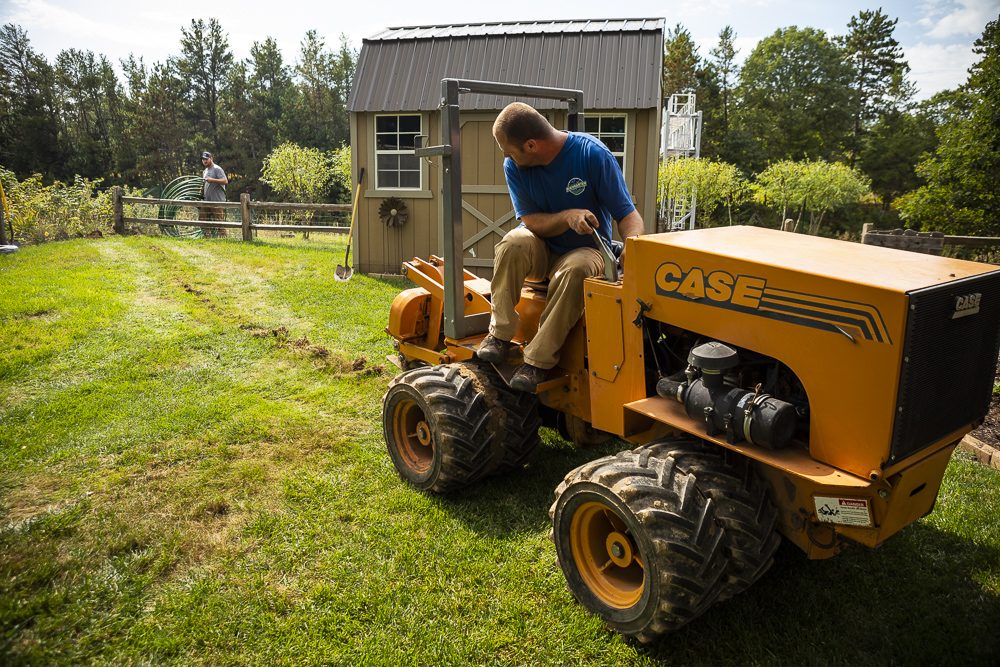
Some sprinkler system installers include just parts. Some include just labor. Some include both. A five-year parts-only warranty and a one-year parts-and-labor warranty are not comparable, and the longer number is not automatically the better deal.
Remember that the warranty is only as good as the irrigation system installer behind it. A five-year warranty is no good if the company folds after two years. When you are comparing bids, how long a company has been operating in your market matters as much as the term it is offering. RainMaster has been doing this since 1999.
Be careful with the offers that sound too good
Some irrigation installation warranties seem too good to be true. "Lifetime warranty on parts" is the common one, and the reaction is predictable: never paying for a part again sounds excellent.
Think about how that company makes money. If the parts are free, the labor rate is where the margin has to come from, and you will likely pay a steep hourly charge on every service call. There is a second problem too. If the company is giving away parts, what is its incentive to be thorough when it inspects your system? A business that loses money on every part it replaces is not motivated to find things that need replacing.
That does not make a long parts warranty fraudulent. It means you read the whole document, including the labor rate, the service call fee, and the exclusions.
They might require a maintenance plan
Irrigation system installers in Minneapolis and Eau Claire may require you to carry a certain irrigation maintenance plan in order for the warranty to apply. That is a reasonable condition rather than a catch. Regular maintenance keeps the system running correctly and catches problems early, before they turn into expensive repairs.
At RainMaster, we ask that customers have our basic maintenance plan, which includes spring start-up and fall winterization. In this climate those two visits are not optional anyway. A system that is not blown out before the ground freezes splits lateral lines, cracks valve bodies, and ruptures backflow preventers, and freeze damage from a skipped blowout is excluded under essentially every warranty in the industry, ours included. See irrigation services for what the plan covers.
What to look for in an irrigation installation warranty
Parts and labor, together
Look for a warranty that includes both. If a company excludes one of them, it can simply overcharge you on the one it left out. Parts and labor together is what makes the coverage mean something: a failed valve gets replaced and the digging, fitting, and testing are covered as well.
A clear list of exclusions
Every warranty excludes some things, and the honest ones say so plainly. Expect to see freeze damage on a system that was not winterized, damage from snow plows, lawn equipment, vandalism, or digging by others, normal wear on nozzles, and problems caused by water quality or pressure outside the system's design range.
Who covers what
Controllers, valves, and heads carry manufacturer warranties of their own, which are separate from the installer's coverage of the installation work. Ask which failures go back to the manufacturer and who handles that claim. The answer you want is that the installer handles it for you.
Response expectations and the backflow device
Ask what the response time looks like in season, when every irrigation company in the region is busy. Ask specifically about the backflow preventer, since it is the most expensive single component to replace and the one most often damaged by freezing.
In writing, from a licensed and insured company
Get the warranty document itself, not a verbal summary at the kitchen table. Confirm the company is licensed and insured for the work, and that the person installing your system is the company whose name is on the warranty rather than a subcontractor who disappears after the job.
What RainMaster offers
A good warranty is peace of mind. You get a three-year irrigation installation warranty at RainMaster that includes both parts and labor. If something malfunctions, we take care of it at no cost to you.
Your warranty is probably not the most interesting part of a new irrigation system, but when something goes wrong it is the part that matters. If you are getting bids in the Twin Cities or the Chippewa Valley, ask every company the questions above and compare the answers side by side. Call 888-839-8484 or request a quote and we will walk through ours with you.
Bottom line
- There is no standard warranty term; offers in this market range from 90 days to 10 years.
- Parts-and-labor coverage is the benchmark. A company excluding one can overcharge on the other.
- A long warranty is only as good as the company behind it, so weigh how long the installer has been operating.
- Expect a maintenance plan requirement, and understand that freeze damage from a skipped fall blowout is excluded.
- Get the document in writing, read the exclusions, and ask who handles manufacturer claims on controllers, valves, and heads.
Frequently asked questions
How long should an irrigation installation warranty last?
There is no standard. Three years covering both parts and labor is solid coverage in this market; compare terms carefully, because a longer parts-only warranty can be worth less.
Is a lifetime parts warranty on a sprinkler system a red flag?
Not automatically, but read the rest of the document. The company has to make its money somewhere, which usually means a high labor rate or service call fee, so check those numbers before you treat it as a bargain.
Does a warranty cover freeze damage to my sprinkler system?
Generally no. Freeze damage on a system that was not properly winterized is excluded across the industry, which is why installers require spring start-up and fall blowout as a condition of coverage.
Why do installers require a maintenance plan for the warranty to apply?
Because most failures are preventable. Annual startup and winterization catch wear early and keep water out of the lines over winter, which is the single biggest cause of damage in this climate.
Irrigation Association, Contractor standards and consumer guidance.


