


7 Tips to Make Your Irrigation System More Efficient
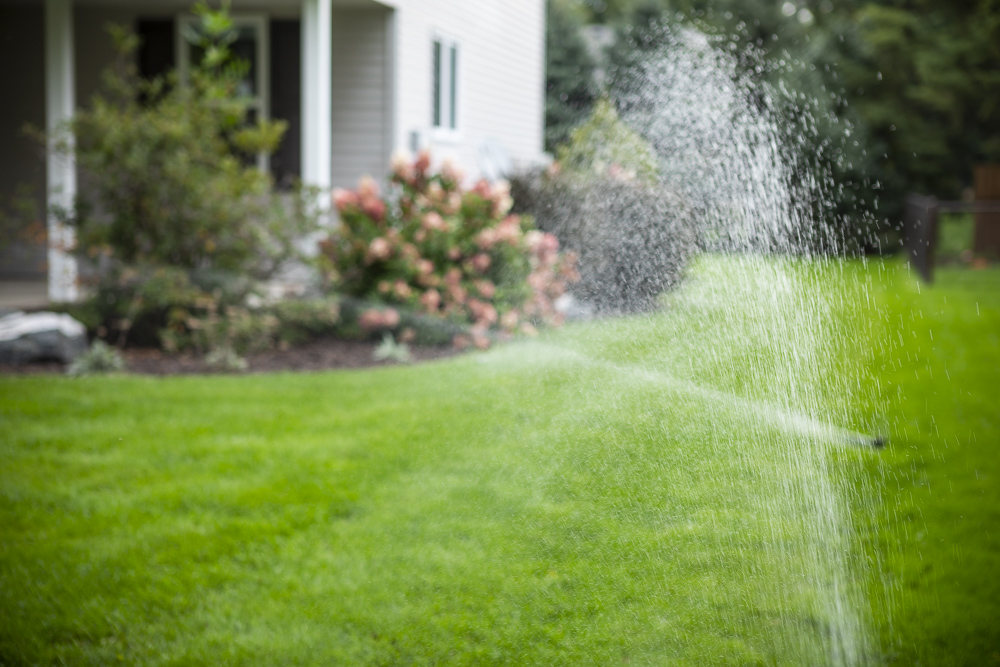
A sprinkler system that appears to be working can still waste thousands of gallons a season. The waste is rarely dramatic; it is a nozzle misting, a head aimed at the driveway, and a controller still running spring settings in August.
1. Leave the controller alone, except seasonally
When an irrigation specialist programs your controller, it is set for your property's actual needs: soil type, sun exposure, slope, head type, and zone layout. Left alone, that program saves thousands of gallons over a season, and the water bill reflects it.
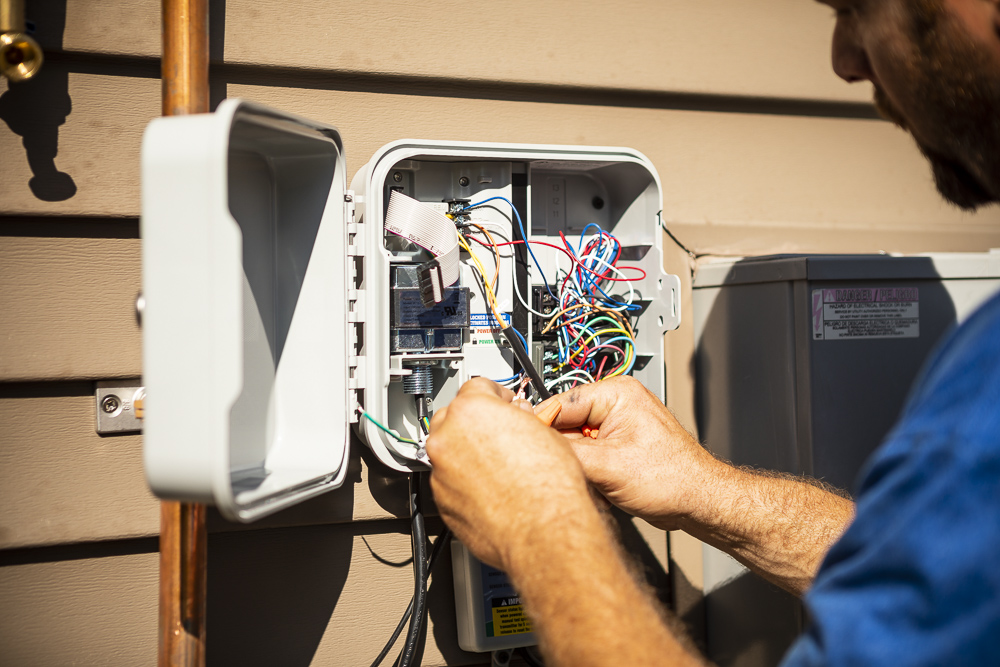

What undoes it is fiddling. Manual daily cycles, nudging run times up because one spot looks dry, and overriding the schedule through a smart app all break the balance the system was designed around.
The one change you should make is seasonal. Spring in Wisconsin and Minnesota is cool and wet, and those settings have no business running in August when it is 90 degrees with no rain. Likewise, August settings running in September overwater. Adjusting the controller with the seasons is a core part of routine tune-ups, and it is the single highest-value change you can make to a working system.
2. Check the rain sensor
If you have a rain sensor, confirm the batteries are good and the unit is clear of debris, leaves, and nests. A dead sensor is the usual reason a system runs in a downpour. Many controllers also support a soil moisture sensor or a weather-based adjustment, which take the decision off a fixed schedule entirely.
3. Update to high-efficiency nozzles
If your heads are old, they are probably throwing a fine mist, and mist is water that evaporates or drifts away before it reaches soil. Newer water-saving nozzles produce larger, heavier droplets that fall where they are aimed, and they apply water at a slower rate, which gives the soil time to absorb it instead of running off.
Matched precipitation rate nozzles are worth asking about specifically. They apply water at the same rate regardless of arc, so a quarter-circle head and a half-circle head on the same zone deliver evenly rather than drowning one area to water another. Uneven application within a zone forces you to run the whole zone long enough to satisfy its driest corner, which is where a surprising share of overwatering comes from.
4. Use drip irrigation in planting beds
Beds and lawn have different water needs and should never share a zone. Drip irrigation runs tubing with small emitters that releases water slowly and directly at the root zone of each plant.
It uses considerably less water than spray heads because nothing is thrown into the air, so there is no evaporation loss and no overspray on mulch, fences, or siding. It also keeps foliage dry, which reduces disease pressure on your ornamentals. Converting bed zones to drip is one of the better returns available on an existing system.
5. Get regular checkups
This is about catching waste early, because almost none of it announces itself. A maintenance plan puts a specialist on the property on a schedule, which is how small problems get found before they become expensive.
What an inspection catches:
- Heads knocked out of alignment. Frost heave over the winter, mowers, and foot traffic all nudge heads so they spray the driveway or the side of the house.
- Leaking heads and valves. A head leaking continuously can waste more water than the zone applies on purpose.
- Clogged nozzles. Residue in the lines flows to the heads and partially blocks them, distorting the spray pattern without stopping it.
- Heads that have settled. A head sunk too low sprays into the grass instead of over it.
- Blocked spray patterns. Shrubs and perennials grow into arcs over a season or two.
- Zones not cycling correctly. Each zone should start, run, and stop on command, and a failed valve or solenoid often goes unnoticed until a patch browns.
How often: spring, summer, and fall. Summer matters more than people expect, since it is when the system works hardest and when plant growth has had time to block patterns.
6. Pay attention to smart system alerts
A smart controller reports electrical faults, flow anomalies that suggest a leak, and zones that failed to run. The value is only realized if someone acts on the notification, so read them. Add your irrigation company to the alert list as well, so a specialist can respond to a flow problem before weeks of water go into the ground unnoticed.
7. Work with pros who tell you what they found
Beyond repairs, a good irrigation specialist should be telling you things: that you are watering too much or too little, that a zone needs a different nozzle, that the slope on the side yard needs cycle and soak instead of one long run, that newer heads would cut the run time on a zone.
The underlying goal is simple enough. Water should land on the plants that need it, in amounts the soil can absorb, at a time of day when it does not evaporate. For established lawns here, that means about an inch of water a week including rainfall, delivered in a couple of deep early morning cycles finishing before sunrise. Everything in this list serves that target.
Choose from our three irrigation maintenance programs to keep the system tuned across the season, and if coverage problems are showing up as thin or brown areas, address the system before adding anything to the lawn care program.
Bottom line
- Adjust the controller with the seasons and otherwise leave the program alone; manual overrides undo the design.
- Check rain sensor batteries and keep the unit clear, since a dead sensor is the usual cause of watering in the rain.
- Replace misting nozzles with high-efficiency, matched precipitation rate nozzles so zones apply water evenly.
- Convert planting beds to drip, which eliminates evaporation and overspray and keeps foliage dry.
- Inspect spring, summer, and fall. Summer catches blocked patterns when plants are at full growth.
Frequently asked questions
How often should a sprinkler system be inspected?
Three times a season: spring start-up, a midsummer check, and fall shutdown. The summer visit is the one most people skip and the one that catches blocked spray patterns, settled heads, and controller settings left on spring timing.
What time should my sprinklers run?
Early morning, finishing around sunrise. Evaporation and wind are lowest then, and the canopy has the whole day to dry, which matters for disease. Evening and overnight watering leaves grass blades wet for hours.
Are smart irrigation controllers worth it?
Yes, when someone acts on what they report. They adjust for weather, flag leaks and electrical faults, and let your irrigation company see alerts too. A smart controller nobody monitors is just a timer.
How much water should my lawn get each week?
About an inch including rainfall for established cool-season lawns, delivered in a couple of deep cycles rather than daily sprinkling. Actual run time varies widely with soil type, slope, sun, and head type, which is why run times get set per zone.
U.S. Environmental Protection Agency, WaterSense Watering Tips.
Irrigation Association, Irrigation industry standards and certification.


