


6 Tips for Watering Your Lawn in Hot Weather in WI & MN
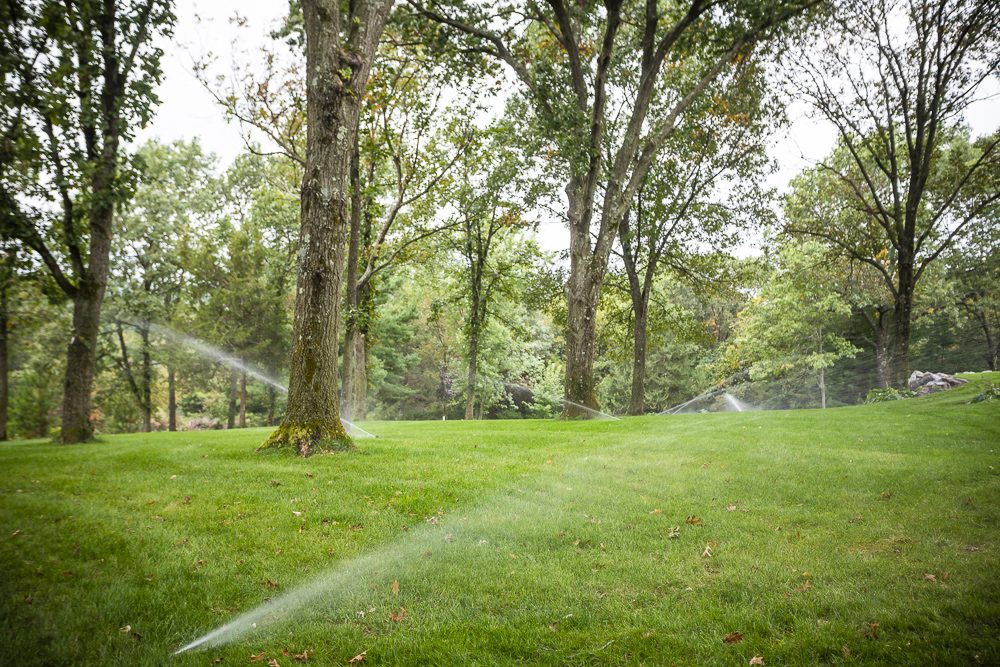
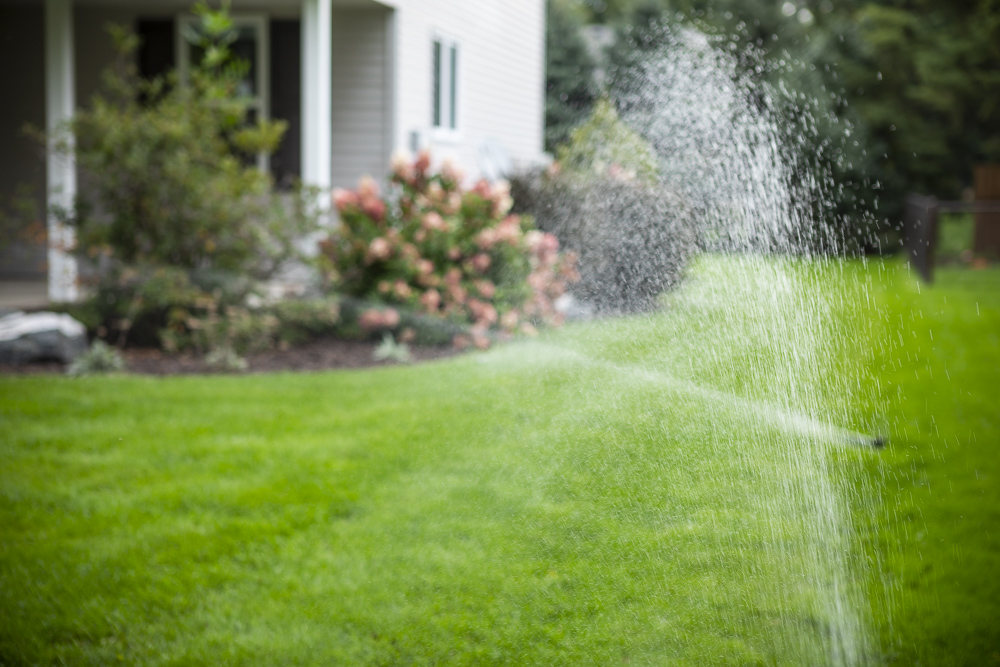
Watering a lawn in July is less about volume than about timing and depth. Daily light watering in hot weather produces a shallow-rooted lawn that cannot handle the next dry stretch, which is the opposite of what you are trying to do.
1. Set the controller for summer
Start here, because it is the most common oversight. Is your controller still running the program set during a cool, wet Wisconsin or Minnesota spring? Those settings do not fit a 90 degree week with no rain in the forecast.
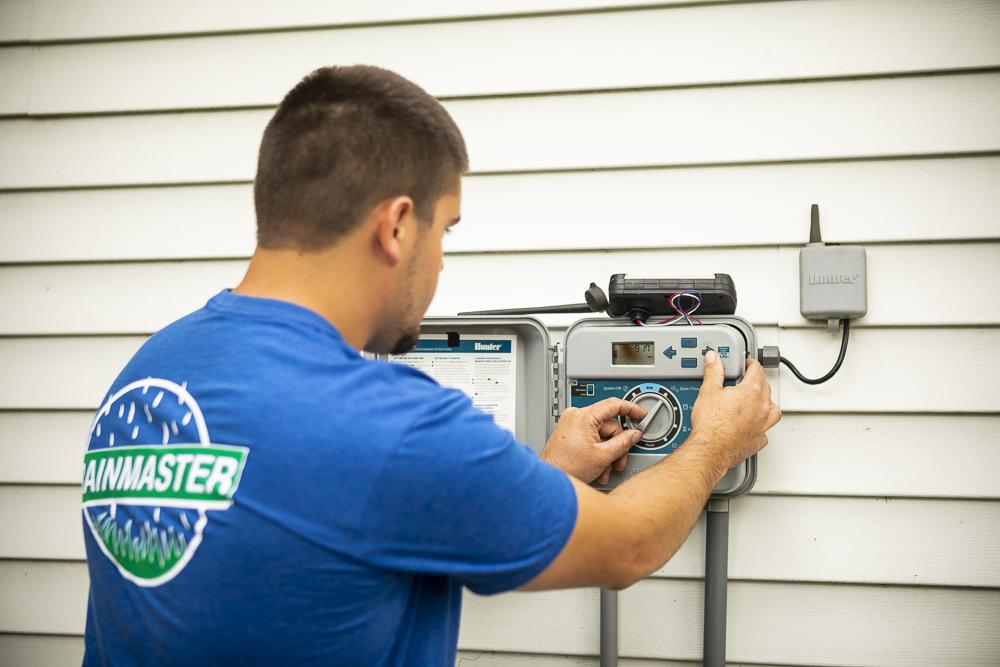
The controller only does what it was told. It needs to know when to run and for how long, and both change with the season. Adjusting it with the weather is routine maintenance, not an optional refinement, and it is the highest-value change you can make to a working system.
2. Do not water every day
It feels wrong in heat, but daily watering works against the lawn. You want the grass to send roots downward in search of moisture. Deep roots reach water that shallow roots cannot, which is exactly what carries a lawn through a dry August.
Light daily watering trains the opposite behavior. Moisture stays in the top inch, roots stay there with it, and the lawn becomes dependent on the next cycle. Then a hot week, a broken zone, or a watering restriction arrives and the turf has nothing in reserve. Shallow-rooted lawns also handle summer disease pressure worse.
Water deeply and less often. Two or three longer cycles a week is a better pattern than seven short ones.
3. Water before sunrise
A lawn looks thirsty on a hot afternoon, and that is the worst time to water it. Much of what you apply at midday evaporates before reaching the root zone, and wind, which usually picks up as the day goes on, carries off more.
The right window is early morning, finishing around sunrise. If sunrise is at 6 a.m., be done at 6. Evaporation and wind are at their lowest, water goes into the soil, and the canopy has the full day to dry.
That last part matters more than most people realize. Watering in the evening or overnight leaves grass blades wet for hours in the dark, which is precisely the condition fungal pathogens need to infect. Many midsummer disease calls trace back to an evening watering schedule.
4. How long to run depends on your yard
There is no universal number, and anyone who gives you one without seeing your property is guessing.
The target is about an inch of water per week including rainfall. How long it takes to deliver that inch depends on:
- Soil type. The biggest variable. Sandy soil drains fast and needs more frequent, longer cycles; you might run 40 minutes to an hour. Clay accepts water slowly and holds it, so 15 minutes may be plenty, and a longer run just produces runoff.
- Head type and nozzle. Rotors apply water much more slowly than fixed spray heads, so the same inch takes considerably longer.
- Sun and shade. Shaded zones need noticeably less.
- Slope. Sloped areas need cycle and soak, meaning shorter runs repeated with a pause, or the water runs off before it soaks in.
- Lawn versus beds. Different water needs, which is why they should be on separate zones.
A simple way to calibrate: put a few straight-sided cans around a zone, run it for 15 minutes, and measure. That tells you the zone's actual application rate and how long it needs to deliver an inch. It also reveals how uneven the coverage is between cans, which is usually more informative than the average.
5. Do not assume a brown spot is dry
Brown can mean dry. It can also mean fungal disease, grub damage, or a failed zone, and the responses are opposite.
If you have been watering adequately and a brown patch appears, especially a defined patch, ring, or spot rather than a broad faded area, consider disease before adding water. Pouring more water on a fungal patch feeds it. Grub damage is another possibility: tug the turf, and if it peels up with no roots, water is not the issue.
6. Do not skip summer irrigation maintenance
A spring tune-up does not cover the season. Summer is when the system works hardest and when new problems appear.
Heads get mowed off. Construction and landscaping projects damage underground lines without anyone noticing. Plants that were small in May have grown and now block spray patterns. Nozzles clog with residue carried through the lines.
Summer is also the only time a technician can evaluate real coverage, with shrubs and perennials at full growth, which is exactly when blocked arcs show up. Skipping the midsummer visit means finding those problems in September, after the lawn has already paid for them.
At RainMaster we offer three levels of irrigation programs designed to keep a system working properly from spring through fall: Peak Performance, Optimum Operation, and Efficient Essentials. Every visit is planned to improve system performance, reduce water use, and support a healthier landscape. On the Peak Performance plan we come out monthly and adjust the settings for you, which handles the seasonal programming issue at the top of this list without you having to think about it.
Bottom line
- Reprogram the controller for summer; spring settings underwater a lawn in a 90 degree week.
- Water deeply two or three times a week rather than daily, so roots grow down instead of staying in the top inch.
- Finish watering by sunrise. Evening and overnight cycles leave blades wet for hours and invite fungal disease.
- Target about an inch a week including rain; run times vary from roughly 15 minutes on clay to an hour on sand.
- A brown patch is not automatically dry. Check for disease, grubs, or a failed zone before adding water.
Frequently asked questions
How often should I water my lawn in hot weather?
Two or three deeper cycles a week rather than a short run every day, totaling about an inch of water including rainfall. Daily light watering keeps roots shallow and leaves the lawn less able to handle the next hot, dry stretch.
What is the best time of day to water grass in summer?
Early morning, finishing around sunrise. Evaporation and wind losses are lowest then and the canopy dries during the day. Afternoon watering wastes water to evaporation, and evening watering leaves the grass wet overnight, which encourages fungal disease.
How long should I run my sprinklers in hot weather?
It depends mostly on soil and head type. Sandy soil may need 40 minutes to an hour per zone while clay may need only 15 minutes before water starts running off. Set cans out, run a zone 15 minutes, and measure to find your actual rate.
Should I water a brown spot more?
Not until you know what it is. If the lawn has been watered adequately, a defined brown patch may be fungal disease, which more water makes worse, or grub damage, where the roots are already gone. Tug the turf and look at the pattern before adjusting the schedule.
U.S. Environmental Protection Agency, WaterSense Watering Tips.


