


Tick Control: Protecting Your Family and Pets
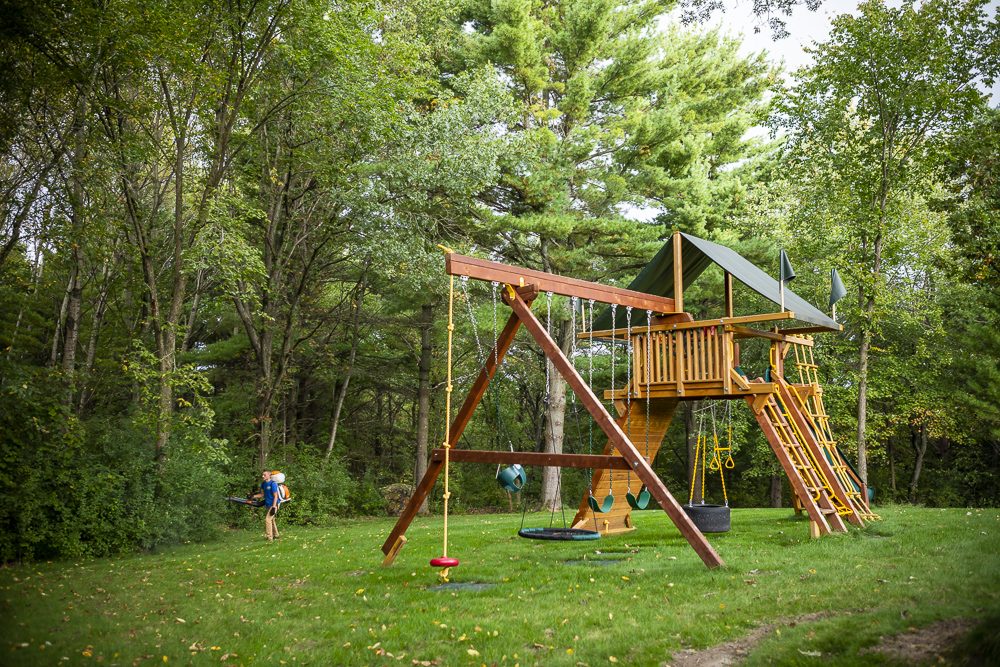
Ticks do not wander across open turf looking for a host. They wait on vegetation in shaded, humid cover, which on most properties means the line where the lawn meets woods, brush, or a mulched bed. Tick control works by treating that edge and making it less livable, then checking yourself and your pets every time you come inside.
Why this is a yard problem and not just a woods problem
The blacklegged tick, commonly called the deer tick, is established across much of Wisconsin and Minnesota, and Lyme disease is reported in both states every year. Wooded suburban lots, properties backing onto a park or creek corridor, and acreage with brushy fence lines all put tick habitat within a few feet of where families actually spend time. You do not have to hike to be exposed.
How ticks find a host
Ticks do not jump and they do not fly. They climb onto grass tips, leaf edges, and low brush and hold their front legs out, a behavior called questing, waiting for an animal or a person to brush past. That limits where they can survive and where they can reach you.
- They need humidity. Ticks dry out in direct sun and moving air. Leaf litter, mulch, and dense shade hold the moisture they depend on.
- They concentrate at edges. The transition from mowed lawn to woods or tall grass is the highest-density zone on nearly every property.
- Wildlife delivers them. Deer carry adult ticks, and white-footed mice and chipmunks carry the larvae and nymphs. Stone walls, brush piles, and wood stacks support the rodents.
Timing of the life stages
Nymphs, which are about the size of a poppy seed and account for most disease transmission because they are so easy to miss, are most active from late spring into midsummer. Adults are active in spring and again through fall, and they will quest on any day the temperature is above freezing, which in our region includes mild stretches in November and March. Tick season is longer than mosquito season at both ends.
What professional tick control covers
Barrier treatments are applied to habitat rather than broadcast across the lawn: the property perimeter, the woodland edge, mulched beds, ground cover, tall grass along fences, and the vegetation around play sets, fire pits, and seating areas. Applications run roughly every three to four weeks through the season.
Timing is chosen around the life stages. A spring application targets questing adults and gets ahead of the nymphs. Treatments continue through summer, and a fall application matters because adult activity picks back up as the weather cools. Our pest control program usually pairs tick and mosquito treatments on the same visit, since the two share most of the same habitat.
Landscape changes that reduce tick habitat
- Build a border. A three-foot strip of wood chips or gravel between the lawn and the woods gives ticks a dry, exposed gap that is hard to cross.
- Keep grass short. Mowed turf dries out and holds few ticks. Tall grass along fence lines and around outbuildings is where they accumulate.
- Clear leaf litter and brush. Rake leaves out of beds and off the woodland edge in fall and spring, and remove brush piles rather than letting them sit.
- Let sun in. Pruning low limbs and thinning dense understory drops the humidity at ground level.
- Move activity away from the edge. Put swing sets, sandboxes, and patio furniture in open sun, well back from the tree line.
- Discourage rodents. Stack firewood neatly off the ground and away from the house, and keep bird feeders from spilling seed into cover.
- Fence or plant against deer. Reducing deer traffic through the yard reduces how many adult ticks are dropped in it.
Personal protection still matters
Treatment and habitat work lower the odds; they do not replace checking. The habits that work are simple and worth making routine during the season.
- Wear light-colored clothing so ticks are easy to spot, and tuck pant legs into socks when walking through vegetation.
- Treat shoes, socks, and outdoor pants with a permethrin product made for clothing, and use an EPA-registered repellent on skin.
- Do a full tick check on everyone, including behind the knees, the waistband, the hairline, and the scalp, after time in the yard.
- Run worn clothes through a dryer on high heat, which kills ticks that hitched a ride.
- Check pets every day during the season and keep them on a veterinarian-recommended tick preventive.
Removing a tick
Use fine-tipped tweezers, grip as close to the skin as possible, and pull straight up with steady pressure. Do not twist, and do not use heat, petroleum jelly, or any other folk method, since all of those waste time while the tick stays attached. Clean the bite, note the date, and contact a physician if a rash or flu-like symptoms develop in the following weeks.
Bottom line
- Ticks quest on vegetation in shaded, humid cover and concentrate where lawn meets woods or brush.
- Barrier treatments target that habitat on a three to four week interval, spring through fall.
- A three-foot wood chip or gravel border, short grass, and cleared leaf litter make the edge far less livable.
- Nymphs active in late spring and early summer are the hardest to see and the most likely to transmit disease.
- Daily tick checks on people and pets, plus permethrin-treated clothing, remain the last line of defense.
Frequently asked questions
Do yard tick treatments actually work?
Yes, when they are applied to habitat rather than open lawn and repeated through the season. The combination of barrier treatments and habitat cleanup produces much better results than either one alone.
When should I treat my yard for ticks in Wisconsin or Minnesota?
Start in spring as soon as temperatures stay above freezing, continue every three to four weeks through summer, and include a fall application, because adult ticks become active again as the weather cools.
Can ticks live in a mowed lawn?
Very few. Short, sunny turf dries out and offers no cover. The risk is at the edges: mulch beds, ground cover, tall grass, and the first several feet of woods.
What is the right way to remove an attached tick?
Grip it at the skin with fine-tipped tweezers and pull straight out with steady pressure. Clean the area, write down the date, and watch for a rash or fever over the following weeks.


