


7 Things to Watch Out For When Choosing Irrigation Services in Minneapolis
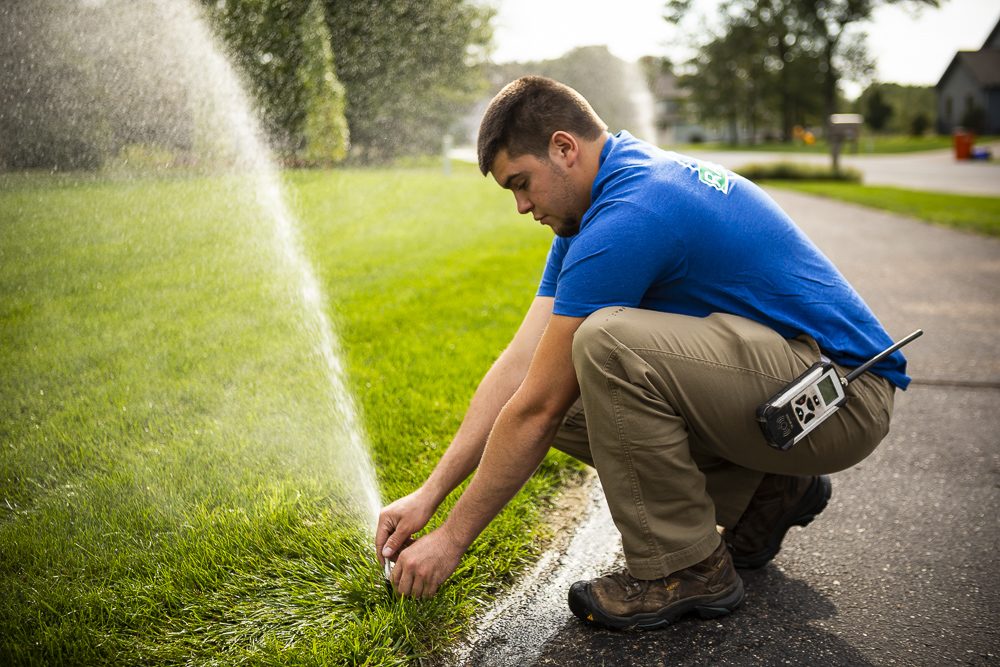
A sprinkler system has to be designed correctly the first time, because fixing a bad design later is expensive and sometimes means starting over. These are the seven things worth watching for when you are choosing who installs or services yours.
1. They do not answer the phone or call you back
Start here, because it predicts everything else. If a company is slow to respond while they are trying to win your business, consider how responsive they will be when a valve fails on a Saturday in July or a head is flooding your driveway.

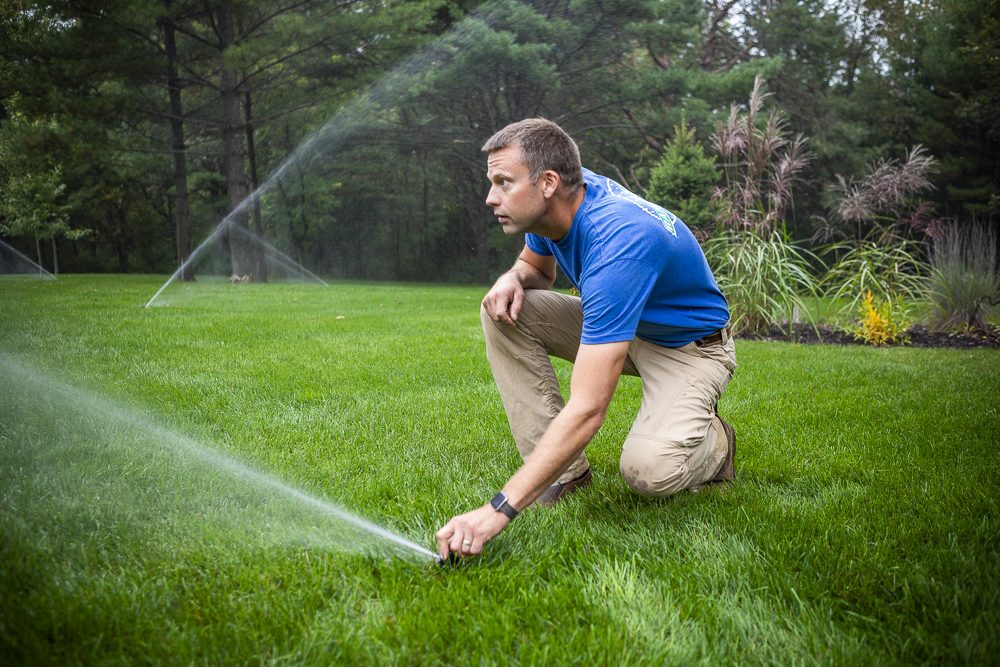
How a company handles an inbound call is the cheapest signal you will get about how they operate.
2. They never bring up design
If design does not come up in the conversation, that is a problem. Not every irrigation company does real design work, and it is the part of the job that determines whether the system performs for the next twenty years.
Watch specifically for a bid that skimps on the number of heads or zones to lower the price. A contractor might put two heads where three are needed, or lay out four zones where five would do the job properly. Fewer heads and fewer zones mean less material and less labor, which makes the bid look better and the system worse.
What under-designed systems actually produce:
- Dry spots and visible patterns of green and brown turf
- Heads that do not pop up fully because pressure is split too many ways
- Water hitting the house, the siding, or windows
- Spray running across public sidewalks and into the street
- Areas that get no coverage at all
- Hundreds or thousands of gallons wasted a season to compensate for the dry spots
Proper design means matched precipitation rates within a zone, head-to-head spacing so patterns overlap, and zones grouped by sun exposure and plant type rather than by what was convenient to trench. Ask whether the person designing your system holds a certification from the Irrigation Association. Our team includes trained and certified irrigation designers for exactly this reason.
3. The reviews are thin or poor
Few reviews or consistently low ratings is a signal worth taking seriously. Read the content rather than the average: look for how the company responded to problems, whether the same complaint repeats, and whether reviews are recent. A company with a long history in one market and a steady stream of recent reviews is telling you something a star rating alone does not.
4. They push offers that do not add up
Lifetime warranty on parts sounds great until you work through the economics. A contractor has to make money, so free parts usually means the labor rate is inflated to cover them.
There is a second problem. If parts are free to you and a cost to them, how thorough do you expect their inspection to be? An incentive structure that pays them to find nothing is not one you want on your system.
5. The warranty is vague
Irrigation warranties are all over the map: 90 days, three years, five years, ten years, with no industry standard. Some cover parts only, some labor only, some both.
Two things to insist on. First, the warranty should cover both parts and labor. If it covers only one, the company can price the other however it likes and your coverage is meaningless. Second, remember a warranty is only as good as the company behind it. A ten-year warranty from a contractor who closes in two years is paper.
You get a three-year installation warranty from RainMaster covering both parts and labor. If something malfunctions in that window, we take care of it at no cost. We also service and repair all brands, including systems we did not install.
6. They do not say anything about your lawn
Your irrigation contractor should tell you when you are watering too much or too little, and should flag changes that would make the system run more efficiently. Overwatering is the most common irrigation problem we find, and it causes shallow roots, fungal disease, and higher water bills at the same time.
A company that installs a system and disappears is not watching for any of that. Ask what maintenance looks like after installation: spring startup once the ground has thawed, mid-season checks, controller adjustments through the season, and the fall blowout, which has to happen before the first hard freeze. Around Minneapolis and the north metro that freeze usually lands in the back half of October, and Eau Claire is rarely more than a week behind it.
7. They will not give you a price up front
Most irrigation repair companies bill time and materials, which means you agree to the work without knowing the total. Being told it is $100 an hour plus parts answers nothing, because you do not know how many hours or how many parts.
We price repairs as flat rates, so you know the repair is $54 or $115 or $159 before work starts. Payment runs on autopay once you sign up, so there is nothing to chase afterward.
What good looks like
A contractor worth hiring answers the phone, designs the system around your property rather than around a price point, stands behind both parts and labor in writing, tells you when your watering is wrong, and quotes a number you can plan against.
See our irrigation services for design, installation, repair, and maintenance, or request a quote and we will walk your property with you.
Bottom line
- How a company handles your first phone call predicts how it will handle a failure in July.
- Under-designed systems skimp on heads and zones, which produces dry spots, low pressure, and wasted water.
- Insist on a warranty covering both parts and labor, and weigh the company's likelihood of still being there.
- Lifetime parts offers usually mean inflated labor and an incentive to find nothing wrong.
- Flat-rate repair pricing, such as $54, $115, or $159, lets you approve work before it starts.
Frequently asked questions
How do I know if an irrigation bid is under-designed?
Compare bids on head count and zone count, not just the total. A bid with noticeably fewer heads or zones for the same area is saving material at the cost of coverage, and that shows up later as dry spots and low pressure.
What should an irrigation warranty cover?
Both parts and labor, with the term stated in writing. Coverage on only one of the two lets the company price the other freely, which defeats the purpose.
Do I need a maintenance program after installation?
In Wisconsin and Minnesota, yes. Spring startup, seasonal controller adjustments, and a fall blowout before the ground freezes are what keep a system working and prevent freeze damage.
Will a company service a system it did not install?
Some will not. We repair all brands regardless of who installed them, which is worth confirming with any contractor you call for a repair.
Irrigation Association, Contractor certification and consumer guidance.
EPA WaterSense, Sprinkler system inspection and maintenance.


