


6 Important Things to Do if Your Lawn Has a Fungus
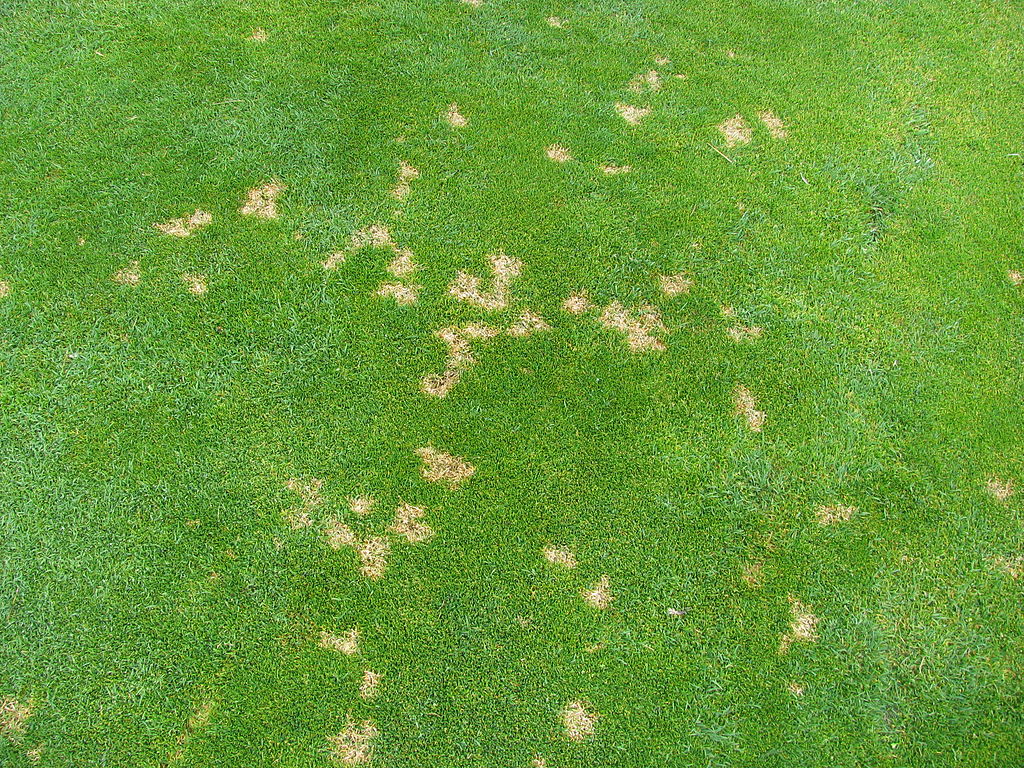
Lawn fungus can turn a healthy green lawn into straw-colored circles in a couple of days, which is why the first instinct is to spray something. The better first move is to confirm it is actually fungus, because most of what gets called lawn fungus resolves without treatment.
What you are looking at
Lawn diseases are fungal, and the pathogens live in the soil and thatch year round doing nothing until conditions favor them. Then they move fast. You can go to bed looking at a healthy lawn and wake up to bleached patches.
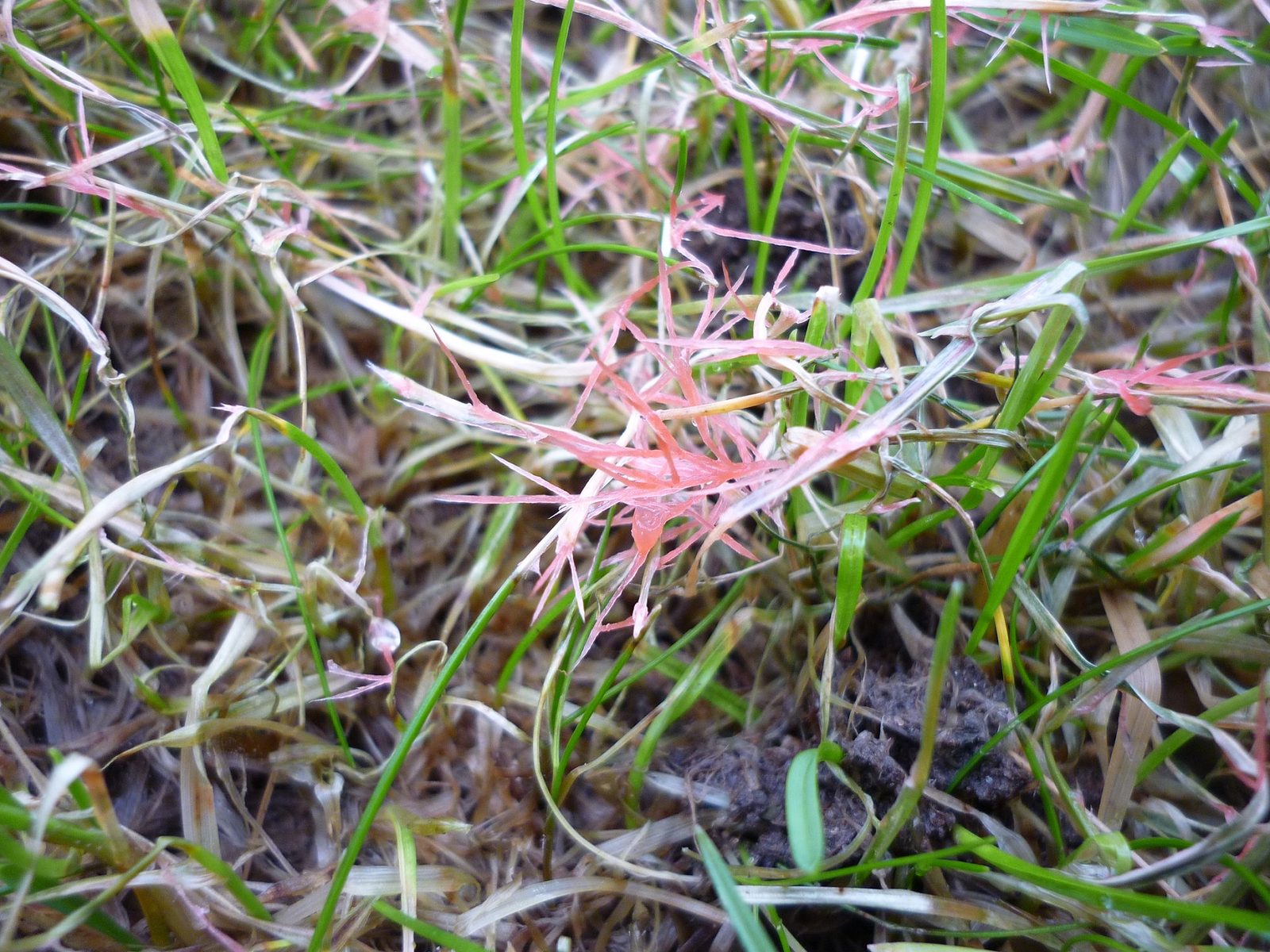
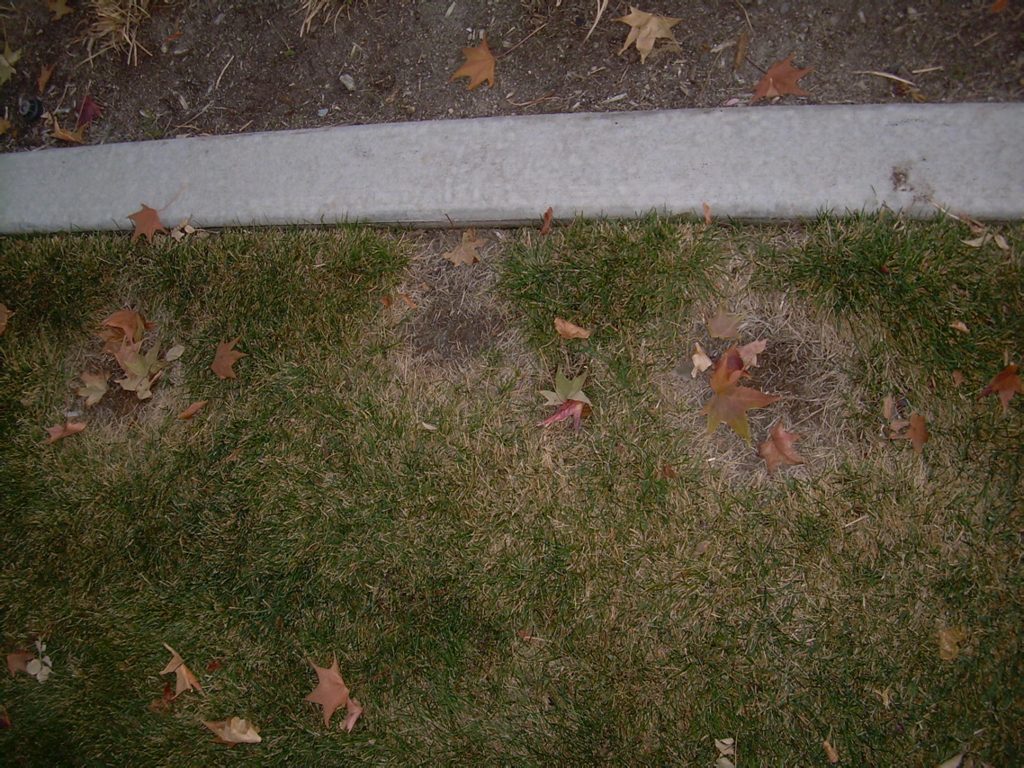
Different diseases prefer different conditions, which is worth knowing because it tells you what to correct:
- Red thread. Tan, pink, or reddish patches from a few inches to about two feet across, with fine reddish threads visible on the blades when wet. Despite a common assumption, red thread is a cool-weather disease. It shows up in cool, wet stretches in spring and fall, and it is strongly associated with low nitrogen, so it often means the lawn is underfed rather than diseased in a serious sense.
- Dollar spot. Small bleached circular patches, a few inches up to about a foot across, that can run together. It favors heavy dew, warm days with cool nights, and low nitrogen. Late spring and early fall are the active windows here.
- Ascochyta leaf blight. Large irregular areas that turn straw-brown very quickly and look dead. It typically follows a swing from wet weather into heat and drought stress, and it usually recovers on its own because the crowns and roots are not killed.
- Brown patch and the summer patch diseases. Irregular patches during hot, humid stretches when the canopy stays wet overnight.
- Snow mold. Matted gray or pink patches revealed when snow melts off in spring, worst where snow piles linger.
So heat and humidity drive some of these, and cool wet weather drives others. What they share is a wet leaf canopy and turf under some kind of stress.
1. Make sure it is actually fungus
Brown, dead-looking grass can be disease, insect damage, drought stress, dog urine, a failed irrigation zone, or dull mower blades shredding leaf tips. The responses are different and some are opposite: adding water to a fungal patch feeds it.
Useful distinctions. Drought stress appears across broad exposed areas and greens back up after watering. Disease appears as defined patches, rings, or spots, often with visible lesions on individual blades when you look closely. Grub damage lifts away with no roots when you tug it. If you are unsure, that is what a lawn care specialist is for, and misdiagnosis is the most expensive mistake available here.
2. Understand that most fungus clears on its own
This is the part that saves people money. Most lawn fungus resolves when the weather changes, and the grass typically fills back in afterward, because most of these diseases damage leaf tissue rather than killing crowns and roots.
Fungicides help in severe or recurring cases, but treatment is not always needed and it does nothing about the cause. Preventive applications make sense where a lawn has a documented history of a specific disease and the high-risk window is approaching, since preventive timing has to come before symptoms appear. Curative treatment works best when the affected area is still small and spreading. Once an area is fully dead, a fungicide protects what remains; it does not bring back what is gone.
3. Stop overwatering
This is the single biggest lever. A canopy that stays wet is the condition nearly every lawn pathogen requires.
Water deeply and infrequently, about an inch a week including rainfall, in a couple of long early morning cycles finishing around sunrise. That gives the blades the whole day to dry. Evening and overnight watering leaves them wet for hours in the dark, which is exactly what the pathogen needs. If the schedule is on a controller, this is a programming change, not a hardware purchase, though uneven coverage is worth checking with an irrigation inspection.
4. Aerate
Fungus favors moisture, so drainage matters. Core aeration pulls plugs of soil out of the lawn, opening channels for air and water to move into the root zone, which produces deeper, healthier roots and a lawn better able to tolerate both disease and summer drought.
Aeration also helps break down thatch, the layer of dead stems and grass between the blades and the soil. Thatch over about half an inch holds moisture against the crowns and harbors pathogens, so reducing it removes habitat. Late August through mid September is the best window here, and it pairs naturally with overseeding.
5. Fertilize on a balanced schedule
Both extremes cause disease. Too little nitrogen invites red thread, dollar spot, and rust. Too much nitrogen heading into summer heat feeds brown patch and produces soft, fast growth that infects easily. A balanced program through spring, summer, and fall gives the lawn the reserves to survive an infection and grow out of it.
Granular fertilizer suits this well. It costs more than common liquid products and breaks down slowly, so nutrition is steady between visits rather than spiking and fading.
6. Mow tall, and mow dry
Keep the grass between three and four inches, and avoid mowing when the lawn is wet, which spreads fungal spores across the yard on your tires and shoes.
Mowing short looks right on a golf green and is wrong for a home lawn. Every cut removes leaf surface, and leaf surface is where the plant produces its food. Take off too much and you are starving the plant right when it needs resources to fight an infection. Remove no more than a third of the blade at a time, and keep the mower blade sharp, since a dull blade tears the leaf and leaves open tissue for infection.
Also worth doing: improve air movement. Prune low branches and thin shrubs crowding the lawn edge so dew burns off in the morning instead of sitting until noon. This is the recurring problem in the older Eau Claire and St. Paul neighborhoods, where mature oaks and maples shade the turf and hold humidity under the canopy well past sunrise. The shaded north side of a house is where disease starts most often, and airflow is usually the fix. Set the lawn up so disease has a hard time taking hold, and a lawn care program covering nutrition, aeration, and diagnosis does most of that work.
Bottom line
- Confirm it is fungus first. Drought, grubs, dog urine, a failed zone, and dull blades all look similar from the porch.
- Red thread is a cool, wet weather disease tied to low nitrogen, not a hot weather one.
- Most lawn fungus clears when the weather changes and the turf fills back in, so fungicide is for severe or recurring cases.
- Water deeply in the early morning and finish by sunrise; overnight watering is the most common cause.
- Aerate annually, keep thatch under half an inch, mow at three to four inches with a sharp blade, and never mow wet turf.
Frequently asked questions
Will lawn fungus go away on its own?
Usually, yes. Most of these diseases damage leaf tissue rather than killing crowns and roots, so the lawn fills back in once the weather changes. Fungicide is worth it for severe or recurring cases, and correcting the cause prevents a repeat next season.
Should I water more or less if my lawn has fungus?
Less often, and earlier in the day. A wet canopy is what the pathogen needs, so switch to a couple of deeper cycles a week finishing around sunrise. Adding water to a fungal patch, on the theory that it is dry, makes it worse.
How do I tell lawn fungus from grub damage?
Tug the turf. Grub damage lifts away like loose carpet because the roots have been eaten, while diseased turf stays anchored. Disease also tends to appear as defined patches, rings, or spots with visible lesions on individual blades.
What mowing height prevents lawn disease?
Three to four inches, removing no more than a third of the blade at a time, with a sharp blade and never when the grass is wet. Taller grass roots deeper and tolerates stress better, and mowing wet turf spreads spores across the lawn.
University of Wisconsin Division of Extension, Horticulture, lawn and turf disease information.
University of Minnesota Extension, Yard and garden, lawn care.


