


Summer Patch Lawn Disease: How to Identify, Prevent & Treat It
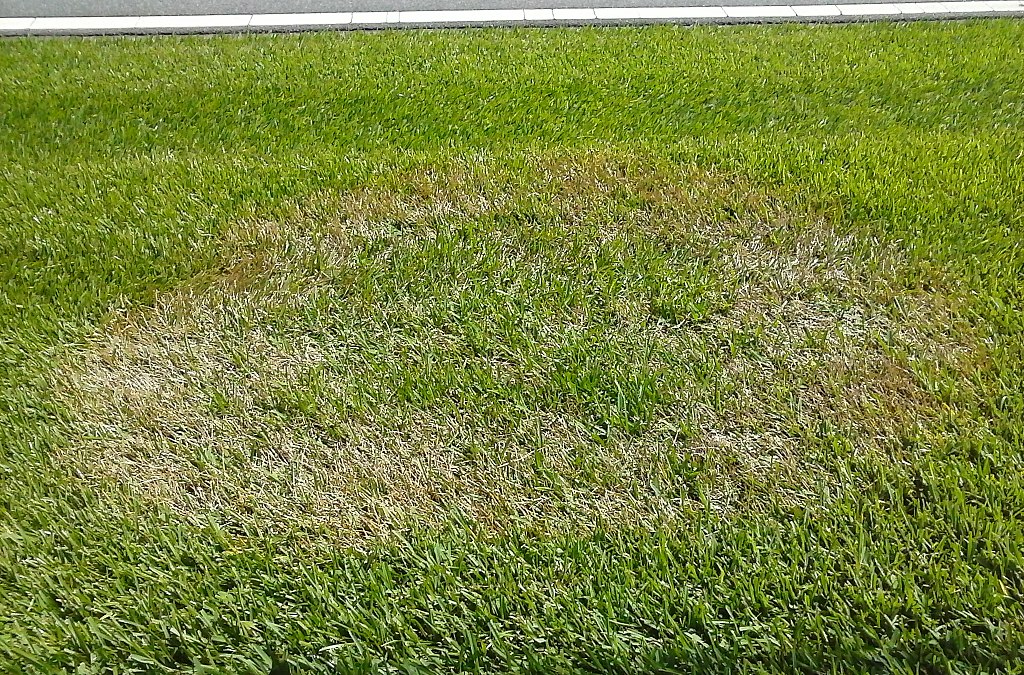
Summer patch is caused by a root-infecting fungus, Magnaporthe poae, that shows up in mid to late summer when heat and humidity run high. Because it attacks the roots instead of just the leaf blades, it does far more damage than the surface diseases most homeowners are used to, and it is harder to grow out of.
What summer patch does to a lawn
Most lawn diseases in Wisconsin and Minnesota live on the leaf. Summer patch does not. The fungus colonizes the roots and crowns of the plant, so by the time you see color change above ground, the root system underneath has already been rotting for weeks. A plant with damaged roots cannot pull water or nutrients out of the soil, which is why summer patch gets dramatically worse during the first hot, dry stretch after it takes hold.
It is primarily a problem on Kentucky bluegrass, annual bluegrass, and fine fescues, which covers most established lawns in this region. Left alone across a bad July, it can take out large sections of turf that will need to be reseeded rather than recovered.
What summer patch looks like
It starts small and spreads. The first sign is usually scattered circular patches of wilted, thinning grass that look like drought stress in a lawn that is getting plenty of water. Those patches enlarge and run together into irregular yellow to bronze areas, anywhere from six inches to three feet across. Eventually you are looking at large blighted zones rather than distinct circles.
Where it shows up tells you something. Summer patch concentrates in compacted, poorly drained areas, on south and west facing slopes that bake in the afternoon, along driveways and sidewalks where soil heat is highest, and in turf that has been mowed short.
How to tell it apart from other summer diseases
Above ground, summer patch looks a lot like dollar spot or necrotic ring spot. The difference is in the roots, and checking takes thirty seconds.
Pull up a tuft of grass from the edge of a patch and look at what comes with it. Roots infected with summer patch are short, dark brown to black, and brittle. Healthy roots are longer, lighter in color, and hold soil. If the roots are rotted and black, you are dealing with a root disease, and the affected area will need seed rather than just time.
The cultural practices that actually prevent it
Fungicides have a role, but prevention does more here than treatment does, because summer patch is driven by growing conditions. Correct the conditions and the disease has far less to work with.
Mow high
Keep the cutting height at three to four inches through summer. Short grass has a shallower root system and a hotter crown, which is exactly what this fungus wants. Mowing short is the single most common reason a lawn gets hit hard. Avoid mowing while the grass is wet, and keep the blade sharp so you are cutting rather than tearing.
Water deeply and less often
Water in fewer, longer cycles instead of a short run every day. Deep watering pushes roots further down, where soil stays cooler and moisture lasts. Daily light watering keeps the top inch of soil warm and saturated, which favors root rot. Run the system early, before sunrise, so the canopy has the whole day to dry.
Aerate to relieve compaction
Core aeration is the most useful thing you can do for a lawn prone to summer patch. It reduces compaction, cuts thatch, and improves drainage so the root zone is not sitting wet and airless in July heat. Once a year is the baseline; heavy clay soils and high traffic yards benefit from more.
Fertilize for steady growth, not surges
Feed in spring and fall so the plant goes into summer with reserves, and avoid heavy nitrogen pushes during hot weather. A flush of soft top growth in July costs the plant root mass at exactly the wrong time. Slow release granular products give you steadier results than quick-release soluble nitrogen.
Test your soil pH instead of guessing
Aim for a soil pH in the 6.0 to 7.0 range. This is worth saying clearly: summer patch tends to be more severe where soil pH is high, so adding lime without a soil test can make the problem worse rather than better. Get a soil test, then amend based on what it says. Elemental sulfur is what lowers pH if a test shows you need to; lime raises it.
When fungicide makes sense
If a lawn has recurring summer patch year after year in the same areas, a preventive fungicide program is worth discussing. Timing matters, because the fungus is active in the roots well before symptoms appear, so applications made after the patches show up have limited effect that season.
Be patient with treatment either way. It can take a month or more to see visible improvement, and it generally takes multiple applications. Treatment buys the lawn time, but it does not fix compacted soil, a mowing height that is too low, or an irrigation schedule that waters a little every morning.
Repairing the damage
Where roots were killed, the grass is not coming back on its own and the area needs seed. Fall is the right window for that in this region: cooler temperatures, more reliable rain, and less weed pressure. Core aerate first, seed into the holes, and keep the seedbed consistently moist until the new grass is established. If the same spots fail again the following summer, the underlying cause has not been corrected yet, and that is usually drainage, compaction, or irrigation.
A lawn care program built around aeration and a nutrition plan, paired with irrigation maintenance that puts down the right amount of water at the right time of day, addresses most of what makes a lawn vulnerable in the first place.
Bottom line
- Summer patch is a root-infecting fungus, so damage is done below ground before you see it above ground.
- Confirm it by pulling a tuft from the patch edge: infected roots are short, black, and brittle.
- Mow at three to four inches, water deeply and infrequently before sunrise, and aerate annually to relieve compaction.
- Do not lime without a soil test. Summer patch is worse at high pH, and lime raises pH.
- Rotted roots will not recover. Plan to aerate and overseed those areas in fall.
Frequently asked questions
Can summer patch be cured once I see it?
Not quickly. The roots are already damaged, so the visible areas will either grow out slowly or need reseeding. Fungicides applied after symptoms appear have limited effect for that season, which is why prevention and preventive timing matter more.
How do I know it is summer patch and not drought stress?
Drought stress is uniform and improves within a day or two of a good soaking. Summer patch shows up as defined patches that keep enlarging and do not respond to water, and the roots underneath are black and short.
Does mowing height really make that much difference?
Yes. Short turf has shallower roots and a hotter crown, and short-mowed lawns are consistently the ones hit hardest. Three to four inches through summer is one of the cheapest preventive changes available.
Should I add lime to help with summer patch?
Not without a soil test. Summer patch is generally more severe in higher pH soils, so liming a lawn that does not need it can increase disease pressure. Test first, then amend to what the result calls for.
University of Wisconsin Extension, Lawn and turf disease management guidance.
University of Minnesota Extension, Fertilizing lawns.


