


How to Cancel Your Lawn Service: 3 Important Steps to Take
Firing a lawn care company is easy. Firing one and ending up with a better lawn takes a little more sequencing than most people give it. Here are the three steps that keep you from paying two invoices, losing a season of progress, or landing with a company that repeats the same problems.
1. Give them a chance to make it right
Before you cancel, pick up the phone and have an actual conversation. Not because you owe them loyalty, but because a surprising share of lawn care complaints have an explanation that changes what you do next.

- Weeds did not die. Post-emergent weed control typically takes 10 days or longer to show results, and some species take multiple applications across a season. If it has been four days, it is too early to judge.
- Rain or irrigation washed the product off. A thunderstorm an hour after a weed application, or a sprinkler zone that fired that evening, can wash off product before it is absorbed. That is a return visit, not a bad company.
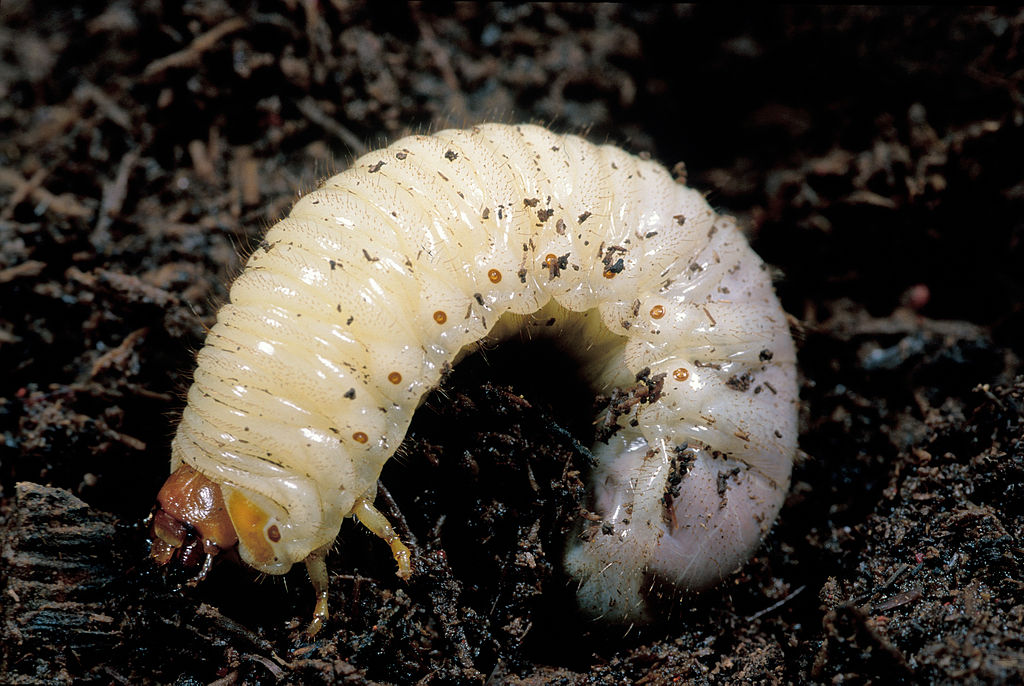
- The damage was not theirs. Homeowners frequently attribute turf damage to the last technician who was in the yard when the actual cause is grubs, disease, or a dry zone in the irrigation system. Those look different up close, and someone should look.
- Drift hit your plants. If weed control drifted and damaged ornamentals, a reputable company replaces the plants. Ask.
- Service stopped because of billing. It happens more than people expect. A missed invoice can pause a route without anyone calling to say so.
Get to the root of the problem before you jump ship. If the answer is unsatisfying, you have lost one phone call. If it is legitimate, you have saved yourself a disruption in the middle of a growing season.
2. Get written confirmation when you cancel
Some relationships cannot be saved. When you reach that point, be firm. Expect a retention offer, a discount, or a free application, and if you have already given them a chance to correct the problem and they did not, hold your position.
The important mechanics are about proof and order of operations.
- Cancel before you sign with anyone else. You can have the new company on standby, but do not officially start service until the old agreement is closed. Overlapping programs mean duplicate applications, which is both a waste and a real risk of over-application.
- Get the cancellation in writing. Email is fine. Without it, companies can and do show up on the next route, and you will be arguing about whether an invoice is valid.
- Ask about prepaid balances. If you paid for a season up front, establish in that same written exchange what happens to the unused portion.
- Note the date of the last service performed. Your next company needs it to time the next application without doubling up.
3. Switch to a new lawn care service
The first question a good company asks you should be why you were dissatisfied with the last one. If nobody asks, nobody is planning to fix anything. That single question tells you most of what you need to know about how the company operates.
Beyond that, a short list of things worth asking before you sign:
- Check reviews in more than one place. Read what is on the company website, then go read the Google reviews. Pay attention to how the company responds to the critical ones.
- Ask about the team's training. Does the staff include people with horticulture backgrounds? Has the crew had targeted training, and do they have years of experience or weeks of it? In this region a technician also needs to know how snow, ice, and a short growing season change the calendar.
- Ask whether they are proactive or reactive. The question to ask is what they do to prevent problems, not just how they repair them. Preventive crabgrass timing, annual aeration, and a soil test are proactive. Showing up to spray what you already noticed is not.
- Ask whether they will make recommendations. You want a company that tells you your mower blade is dull, your sprinklers are watering the sidewalk, or your soil pH is working against the fertilizer you are paying for.
- Ask whether you can reach your technician. Accessibility matters when you have a question in July. Some companies route everything through a call center and the technician is effectively anonymous.
- Ask what is actually in the program. Get the number of visits, what is applied at each one, and whether aeration, overseeding, grub control, and a soil test are included or priced separately.
What to expect in the first season
Set a realistic timeline. A lawn that has been neglected or treated inconsistently does not turn around in one application. Weed control works on the weeds present when it is applied, not on the ones that germinate next month, which is why a full season involves several rounds. And the cool-season turf grown in Minneapolis and Eau Claire fills in on its own calendar: thin areas close after aeration and overseeding from mid August through mid September, not in June.
What you should see quickly is communication: a note of what was applied, what the technician observed, and what they recommend. That is the part most people were actually missing with the last company.
If you want to see what a complete program includes before you commit, look at the lawn care program options and compare them line by line against what you were getting.
Bottom line
- Call before you cancel. Weed control takes 10 days or more to show results, and rain, irrigation, grubs, or a billing hold explain many complaints.
- Cancel in writing, and get the confirmation before you start with anyone else, so you do not get duplicate applications or duplicate invoices.
- Settle prepaid balances and record the date of the last application in the same written exchange.
- A good new company asks why you left the last one; if nobody asks, nobody plans to fix it.
- Vet training, proactive versus reactive approach, technician accessibility, and exactly what the program includes.
Frequently asked questions
How long does weed control take to work?
Typically 10 days or longer for post-emergent products to fully kill a weed, and some vigorous species need repeat applications through the season. Judging an application after a few days is the most common reason homeowners think a company failed.
Should I line up a new company before canceling?
Line one up, but do not start service until the cancellation is confirmed in writing. Overlapping programs lead to duplicate applications and duplicate bills, and sorting that out afterward is harder than waiting a week.
Can I switch lawn care companies mid-season?
Yes. Tell the new company the date and type of your last application so they can time the next round correctly rather than applying on top of something recent.
What should I ask a lawn care company before hiring them?
Why they think your previous program fell short, what training their technicians have, what they do preventively, whether aeration and a soil test are included, and whether you can reach your technician directly with a question.
University of Wisconsin Division of Extension, Lawn Fertilization.


