


Should You Seed Your Lawn in Fall or Spring? Tips for WI & MN Homeowners
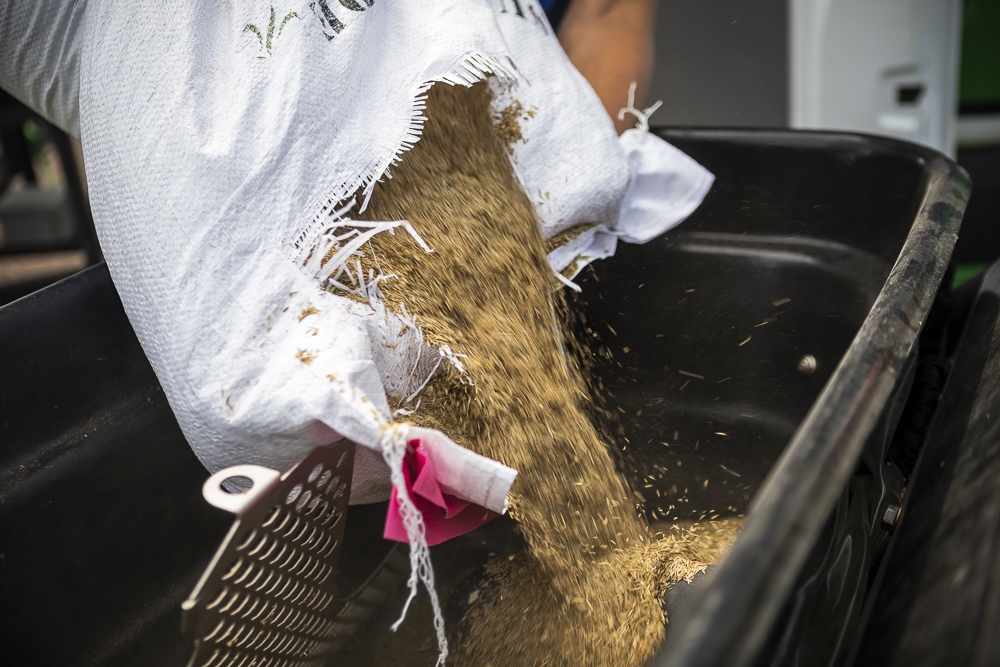
In Wisconsin and Minnesota, fall beats spring for seeding a lawn, and it is not a close call. Cool-season grass germinates into warm soil and cooling air, with far less weed competition and no conflict with crabgrass prevention.
Why fall wins
Cool-season grasses, Kentucky bluegrass, perennial ryegrass, and the fine fescues, do their strongest root growth when soil is still warm and air temperatures are falling. Late summer seeding gives a new stand two cool growing periods, fall and the following spring, before it faces its first summer. Spring seeding gives it a few weeks of mild weather and then drops it straight into July heat with a root system that is barely established.
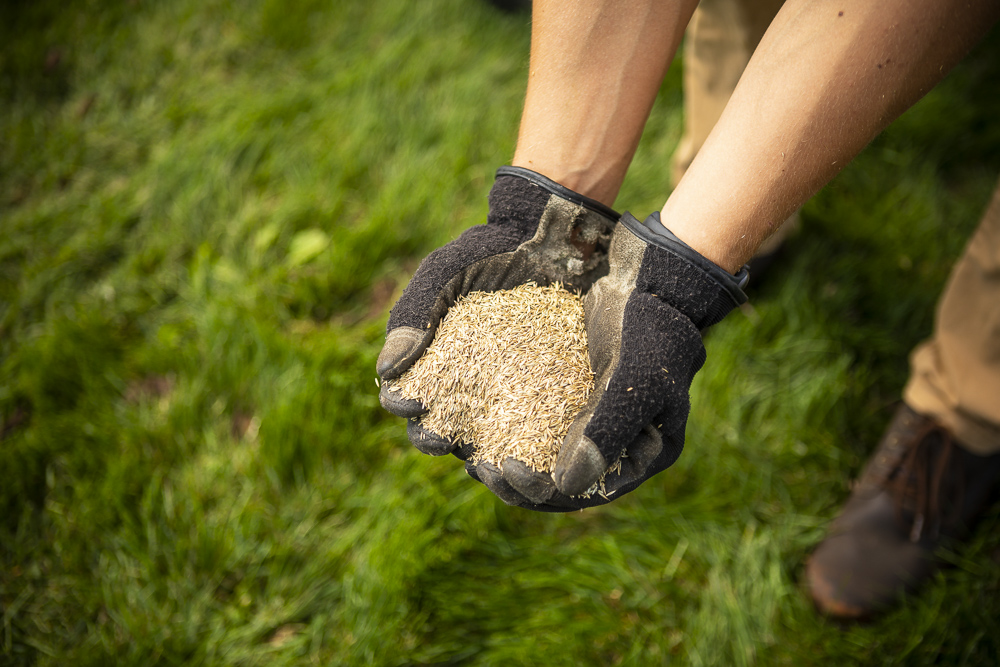
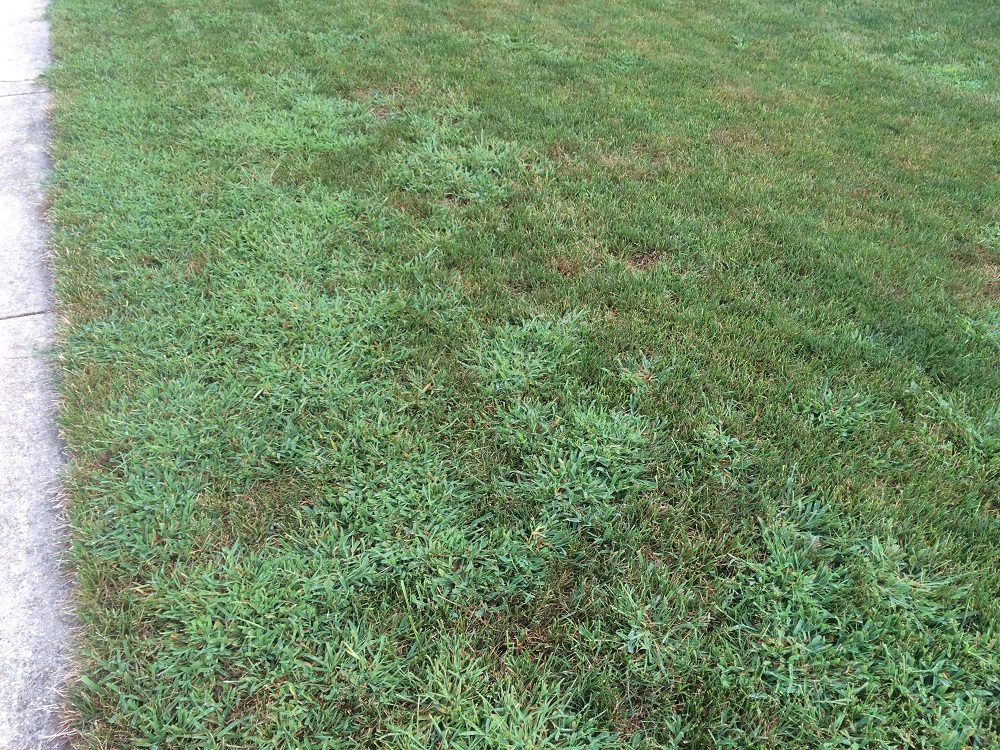
Crabgrass pre-emergent kills grass seed
This is the practical conflict that decides spring for most homeowners. The pre-emergent that stops crabgrass from germinating also stops grass seed from establishing, because the material does not distinguish between seedlings you want and seedlings you do not. Skip the pre-emergent to seed, and you spend the summer with crabgrass. Apply it, and the seed does not take.
Spring air is full of weed seed
When you aerate and seed, you create exactly the seed-to-soil contact a new lawn needs, and every weed seed moving through the neighborhood takes the same opening. Spring is peak season for airborne weed seed. By late summer that pressure has dropped sharply, so your grass seed competes against far less.
Fall moisture is more cooperative
Seedlings need consistently moist soil for the first several weeks. In late August and September, cooler nights, dew, and more reliable rainfall keep a seedbed damp with much less irrigation than May and June require.
The best seeding windows here
Fall: mid-August through mid-September. Seed earlier and high temperatures work against establishment. Seed later and you run out of growing days before frost, leaving seedlings that have not developed enough root to survive the winter. Mid-August to mid-September threads the needle across both the Chippewa Valley and the Twin Cities metro.
Spring: around mid-May. Mother's Day is a reasonable marker. Seeding earlier risks frost or a hard freeze on tender seedlings. Seeding much later pushes germination into early summer heat.
If you want to seed in spring anyway
There are legitimate reasons. Snow mold, salt damage along drives and walks, plow scrape, and winter dog damage leave bare spots that will host crabgrass and broadleaf weeds all summer if nothing is planted in them.
Partner with RainMaster and you can plant grass seed and control crabgrass at the same time in spring, because we carry a professional-grade product that allows both. That combination is not available on the home improvement store shelf. It is the single thing that makes spring seeding workable without giving up a season of crabgrass control.
How to give seed its best chance in either season
- Get seed onto soil, not thatch. Rake out dead matted turf on spot repairs. On a whole lawn, core aerate first; the holes are ideal pockets for seed.
- Buy good seed. Bargain seed often carries weed seed and undesirable grass species. The mix should suit the site, with more fine fescue for shade and bluegrass and ryegrass for sun.
- Keep the seedbed consistently moist. Light, frequent watering until germination, then taper toward deeper and less frequent cycles. This is the opposite of how you water an established lawn, and it is the stage where most seedings fail.
- Use a starter fertilizer. Seedlings need nutrients available at the root zone right away.
- Stay off it and hold the herbicide. Keep traffic light and do not apply broadleaf weed control until new grass has been mowed a few times.
Seeding is the first step, not the finish
Seed germinates in roughly five to thirty days depending on species and soil temperature. From there, a lawn started from seed takes two to three years to become the thick stand you pictured. Whatever thinned it in the first place, compaction, shade, poor drainage, a sprinkler head missing a corner, will thin it again unless you address it.
That is why seeding belongs inside a program rather than standing alone. We offer three levels of lawn care programs. Luscious Lawn is the high-end proactive option for the quickest, strongest results, particularly on a lawn that needs significant help. Terrific Turf is the mid-level program and our most popular, built to grow a thick green lawn and handle most challenges. Healthy Habitat is the basic plan with the essentials for a better lawn. If the thin areas trace back to coverage, have the irrigation system checked before you seed rather than after.
Bottom line
- Fall is the better seeding season here: warm soil, cooling air, less weed competition, and more reliable moisture.
- Fall window is mid-August through mid-September. Spring window is around mid-May, using Mother's Day as a marker.
- Standard crabgrass pre-emergent prevents grass seed from establishing, so you normally cannot seed and prevent crabgrass in the same spring.
- A professional-grade material lets us do both at once, which makes spring repair of winter damage practical.
- Seed germinates in five to thirty days, but a seeded lawn takes two to three years to fully mature.
Frequently asked questions
What is the best month to plant grass seed in Wisconsin and Minnesota?
Late August through mid-September is the best stretch of the year. Soil is still warm enough for fast germination while air temperatures and weed pressure have dropped. If you must seed in spring, mid-May is the target.
Can I seed my lawn and apply crabgrass preventer in the same spring?
Not with standard pre-emergent products, which block grass seed along with crabgrass. We use a professional-grade material that allows seeding and crabgrass control at the same time, which is not sold at retail.
How often should I water new grass seed?
Keep the top inch of soil consistently moist until germination, which usually means short cycles once or twice a day rather than one long soak. After the seedlings are up and have been mowed a few times, shift toward deeper, less frequent watering.
How long before new grass looks like a real lawn?
Germination takes five to thirty days, a usable lawn takes a season, and a thick mature stand takes two to three years. Grass type, sunlight, watering, and time of year all move that timeline.
University of Minnesota Extension, Seeding and sodding home lawns.
University of Wisconsin Division of Extension, Crabgrass Management in Lawns.


