.svg)
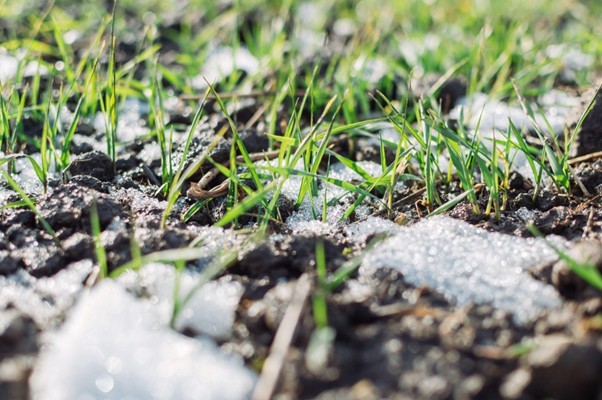
Let’s be honest. When the snow finally melts, your lawn probably doesn’t look great.
The lawn looks flattened and patchy. Maybe there are spots that make you wonder if the grass is even coming back.
If you’re in the Upper Midwest, that’s completely normal.
Cool-season grasses like Kentucky bluegrass, fescue, and ryegrass spend months in dormancy. By spring, they’re not dead, but they do need the right kind of help to recover.
And this is where most homeowners get tripped up.
Spring lawn care in the Upper Midwest is not just about getting your lawn green again. It is about doing the right things, in the right order, so your grass builds strong roots and stays healthy through summer.
Let’s walk through it step by step.
Key Takeaways
- The ideal time to start spring lawn care in the upper Midwest is when soil reaches 50 to 55°F.
- Lawn cleanup is essential; you should remove debris with light raking.
- Water deeply (1 to 1.5 inches per week) and mow at 3.5 o 4 inches to build stronger roots
- Time pre-emergent and fertilization correctly to prevent weeds and strengthen turf before summer stress
Common Signs of Winter Stress in the Upper Midwest
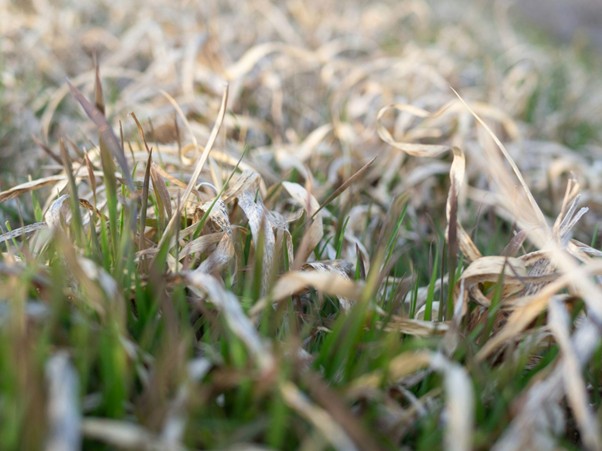
As your lawn wakes up, here’s what you’ll likely notice:
- Grass that looks matted or pressed down
- Patchy or thin areas
- Spots near driveways that look burned or discolored
- Early weeds starting to creep in
These are not random problems. They are all signs of winter stress.
Snow mold, salt damage, lack of sunlight, and compacted soil all play a role. The key is catching these early, before they turn into bigger issues later in the season.
Best Time to Start Spring Lawn Care in the Upper Midwest
It is tempting to jump in the moment the snow melts. But your lawn is not quite ready yet.
The real signal is soil temperature.
Once the soil consistently reaches about 50 to 55°F, that is when things start happening below the surface:
- Roots begin actively growing
- Grass starts taking in nutrients
- Weed seeds like crabgrass prepare to germinate
For most areas across Wisconsin and Minnesota, this window usually falls between mid-April and early May.
If you start too early, you risk doing more harm than good. If you start too late, weeds get a head start.
Timing really matters here.
Spring Cleanup for a Healthy, Green Lawn
Before you add anything to your lawn, take a minute to clear things out.
After winter, lawns are usually covered with the following:
- Leaves and small branches
- Matted grass from snow cover
- Areas where airflow is blocked
Start with a light rake. Nothing aggressive. You are not trying to tear up the lawn, just loosen it enough so air and sunlight can reach the soil again.
This one step can make a noticeable difference.
It also gives you a chance to spot the following:
- Snow mold patches
- Bare or thinning areas
- Compacted zones that may need extra attention
Watering Strategy for a Green Lawn
A lot of homeowners assume they need to start watering right away.
In reality, early spring usually provides enough natural moisture.
Once temperatures rise and your lawn starts actively growing, shift to a better watering approach:
- Aim for about 1 to 1.5 inches per week
- Water 2 to 3 times per week, not every day
- Water in the morning for best absorption
Deep, infrequent watering is what encourages roots to grow deeper. That is what helps your lawn handle heat later on.
If you have an irrigation system, this is also the time to check for:
- Broken or misaligned sprinkler heads
- Leaks or uneven coverage
Do Not Miss the Weed Control Window & Time Your Pre-Emergent Treatment
If there is one step you do not want to get wrong, it is this weed control.
Weeds like crabgrass do not wait. Once they show up, they are much harder to control.
That is why pre-emergent treatment is such a big part of spring lawn care in the Upper Midwest.
Here is the key:
- Apply it when soil temps hit 50 to 55°F
- Make sure temperatures stay consistent for a few days
This timing prevents weeds before they start growing.
Miss that window, and you are playing catch-up all season.
Fertilization to Fix Your Lawn the Right Way
It is easy to think more fertilizer means faster results.
But in early spring, your lawn needs balance, not a growth surge.
A light, balanced fertilizer helps:
- Strengthen roots
- Improve lawn density
- Support steady, healthy growth
Too much nitrogen too early can actually backfire. It pushes top growth before roots are ready, which leads to weaker turf over time.
Think steady progress, not quick fixes.
Mowing and Early Growth Management
Once your lawn starts growing, mowing becomes part of your strategy, not just maintenance.
Here is how to do it right:
- Start mowing when grass reaches about 3 to 3.5 inches
- Keep it around 3.5 inches tall
- Never cut more than one-third of the blade at a time
Taller grass helps shade the soil, retain moisture, and naturally reduce weed growth.
In other words, mowing high helps your lawn stay healthier.
Getting Your Lawn for Summer Stress
What you do in spring directly affects how your lawn handles summer heat. According to the University of Minnesota Extension, lawns with deeper roots and proper early care are better equipped to handle heat and drought conditions later in the season.
Strong early care helps:
- Build deeper root systems
- Improve overall lawn thickness
- Reduce weed pressure before it spreads
Lawns that are rushed or treated incorrectly early on are the ones that struggle most when temperatures rise.
Treat spring as your setup season for a prosperous, green lawn.
Your Spring Lawn Care Checklist
If you are not sure where to start, use this as your go-to plan:
- Lightly rake to remove debris and lift matted grass
- Stay off overly wet soil to avoid compaction
- Apply pre-emergent at the right soil temperature
- Use a balanced fertilizer to support root growth
- Start mowing once growth begins and keep it tall
- Transition into deep, infrequent watering
- Keep an eye out for early signs of damage or uneven growth
Want the Best Lawn on the Block? Here’s How RainMaster Can Help!
Getting great results from spring lawn care in the Upper Midwest is not just about timing one or two things right. It is about getting everything to work together. Watering, nutrients, soil health, weed control. Miss one piece, and the results usually fall short.
That is where most homeowners start to feel stuck.
And that is exactly where RainMaster Lawn comes in.
Instead of treating your lawn like a one-time project, RainMaster takes a bigger-picture approach. The focus is on total lawn health, with programs built specifically for the conditions in Wisconsin and Minnesota.
So you are not guessing. You are not reacting. You are following a plan that actually works for your lawn.
Here is what that looks like in action:
- Custom lawn care programs designed to improve soil health and support steady, consistent growth
- Professional fertilization and weed control that keeps your lawn thick, green, and protected
- Smart irrigation solutions that adjust watering based on real weather and soil conditions
- Full system inspections and repairs to make sure every area gets proper coverage
- Ongoing seasonal monitoring so your lawn gets exactly what it needs, right when it needs it
If you have ever felt like you are doing everything right but still not getting the results you want, this is usually the missing piece.
Because at the end of the day, the best lawns are not just treated. They are managed the right way, all season long.
Get your lawn on the right track this season. Schedule a call NOW!
FAQs
When should I start lawn care in Wisconsin or Minnesota?
You can start lawn care in Wisconsin and Minnesota once soil temps at a 4-inch depth consistently reach 50 to 55°F. This happens somewhere between mid-April and early May.
Is it too early to fertilize in April?
It depends on soil temperature. Fertilizing too early may not be effective if the lawn is not actively growing. Always consult a professional before starting your fertilization.
When should I apply pre-emergent in the Midwest?
The weed control window is short; you must apply pre-emergent when soil temperatures reach about 55°F for several consecutive days.
How often should I water my lawn in spring?
You must water deeply one to two times per week, depending on rainfall. Overwatering your plants can ruin the roots.
What is the best grass type for Midwest lawns?
The best types of grass for midwest lawns are cool-season grasses like Kentucky bluegrass, fine fescue, and perennial ryegrass. They work best for the midwest weather.
Why is my lawn patchy after winter?
Lawns are often damaged during the winter season and often look patchy and dry. Some of the main causes of a patchy lawn are winter damage, snow mold, and compaction.
Can I overseed and apply weed control at the same time?
No. You should not overseed and apply weed control together. Pre-emergent products can prevent new grass from growing.
When should I start mowing my lawn?
You must start mowing your lawn when the grass reaches about 3 to 3.5 inches in height. You must ensure that the grass is dry and actively growing. In midwest, the ideal time to start falls in between mid-to-late April.