.svg)
Snow Removal Safety: Protecting Your Property and Employees
Property owners face liability when ice and snow create hazardous conditions. Learn how professional snow removal services protect your business, employees, and customers while providing documentation that defends against claims.
The Legal Responsibility of Property Owners
Property owners have a legal duty to maintain reasonably safe conditions during winter weather. Slip and fall injuries can result in significant medical costs, lost wages claims, and liability judgments that threaten your business financially.
Pre-Storm Preparation
Professional snow services begin before the first snowflake falls with anti-icing treatments that prevent snow from bonding to pavement. This proactive approach makes subsequent snow removal easier and reduces ice formation as snow melts.
- Apply liquid brine 24-48 hours before predicted snowfall
- Stock adequate salt and de-icing materials for the season
- Mark curbs, islands, and obstacles before snow covers them
- Establish clear communication protocols with your contractor
- Define trigger depths and service level expectations in writing
During-Storm Operations
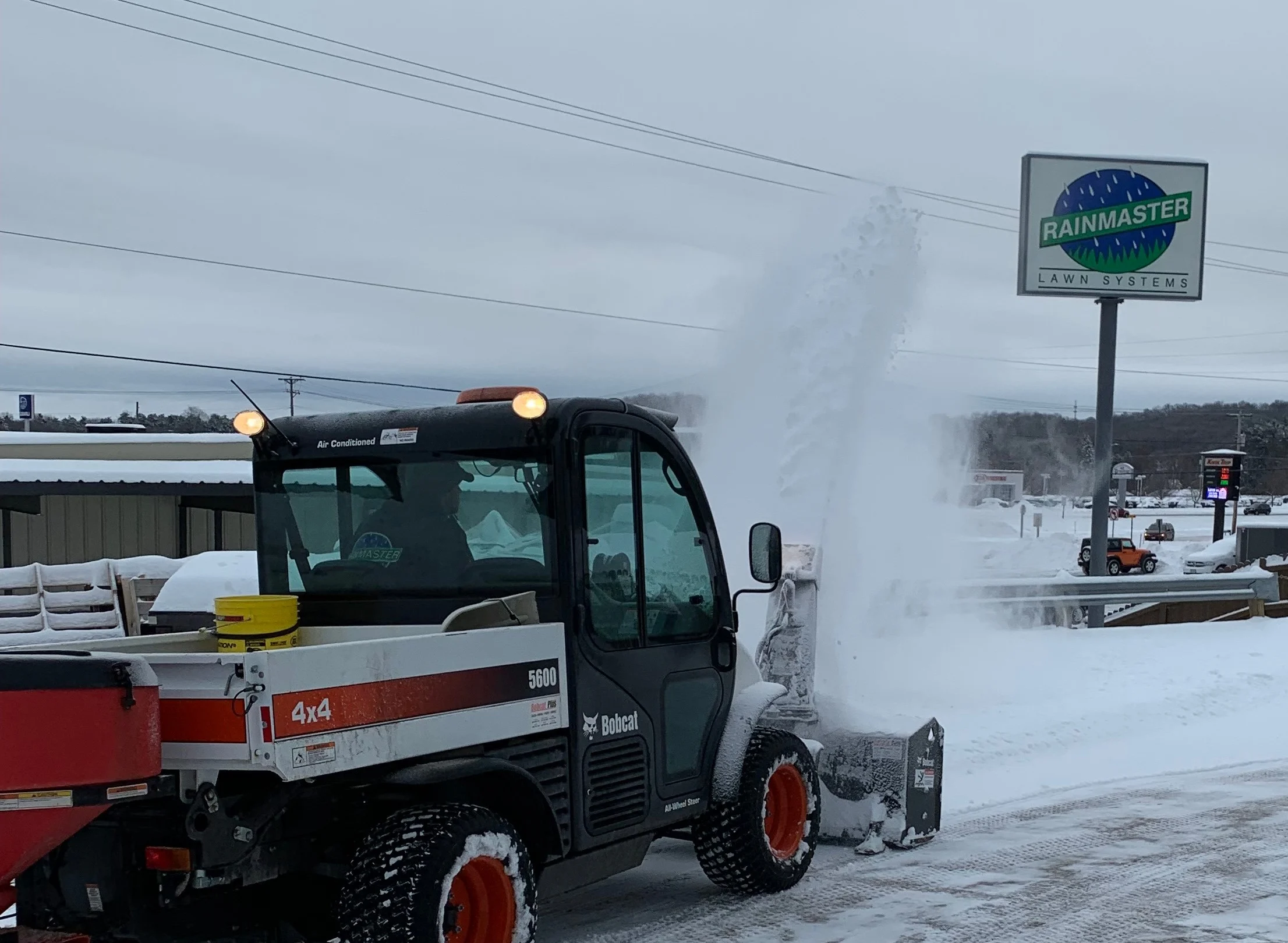
Active storm management keeps property accessible and safe throughout snow events. Professional contractors monitor conditions continuously and deploy equipment as accumulation reaches trigger depths—typically 2-3 inches for commercial properties.
"We've removed snow from hundreds of commercial properties for over 20 years. Our detailed documentation has protected countless clients from unfounded slip-and-fall claims."
Post-Storm Follow-Up
After plowing, crews perform detail work including sidewalk clearing, entryway focus, edge cleanup, and final de-icing. This follow-up ensures walkways and high-traffic areas remain safe as temperatures fluctuate and melting occurs.
Documentation and Liability Protection
Professional contractors provide timestamped service records with photos showing conditions before, during, and after treatment. This documentation demonstrates your reasonable care in maintaining safe conditions—critical evidence in defending against liability claims.