.svg)
Drip Irrigation vs. Spray Systems: Choosing the Right Solution
Different landscape areas require different irrigation methods. Learn the advantages of drip irrigation versus spray systems, ideal applications for each, and how combining both technologies creates the most efficient system.
Understanding Irrigation System Types
No single irrigation method works best for every landscape. Successful irrigation design matches technology to plant needs, soil type, and water conservation goals. Most efficient systems combine spray and drip technologies strategically.
How Drip Irrigation Works
Drip systems deliver water slowly and precisely to plant root zones through tubing with emitters spaced along its length. Water seeps directly into soil at low pressure, minimizing evaporation loss and preventing water waste on non-planted areas.
- 90%+ water efficiency compared to 65-75% for spray systems
- Eliminates overspray on hardscapes, buildings, and vehicles
- Reduces weed growth by only watering desired plants
- Allows fertilizer injection for precise nutrient delivery
- Ideal for beds, shrubs, trees, and gardens
When to Choose Spray Systems
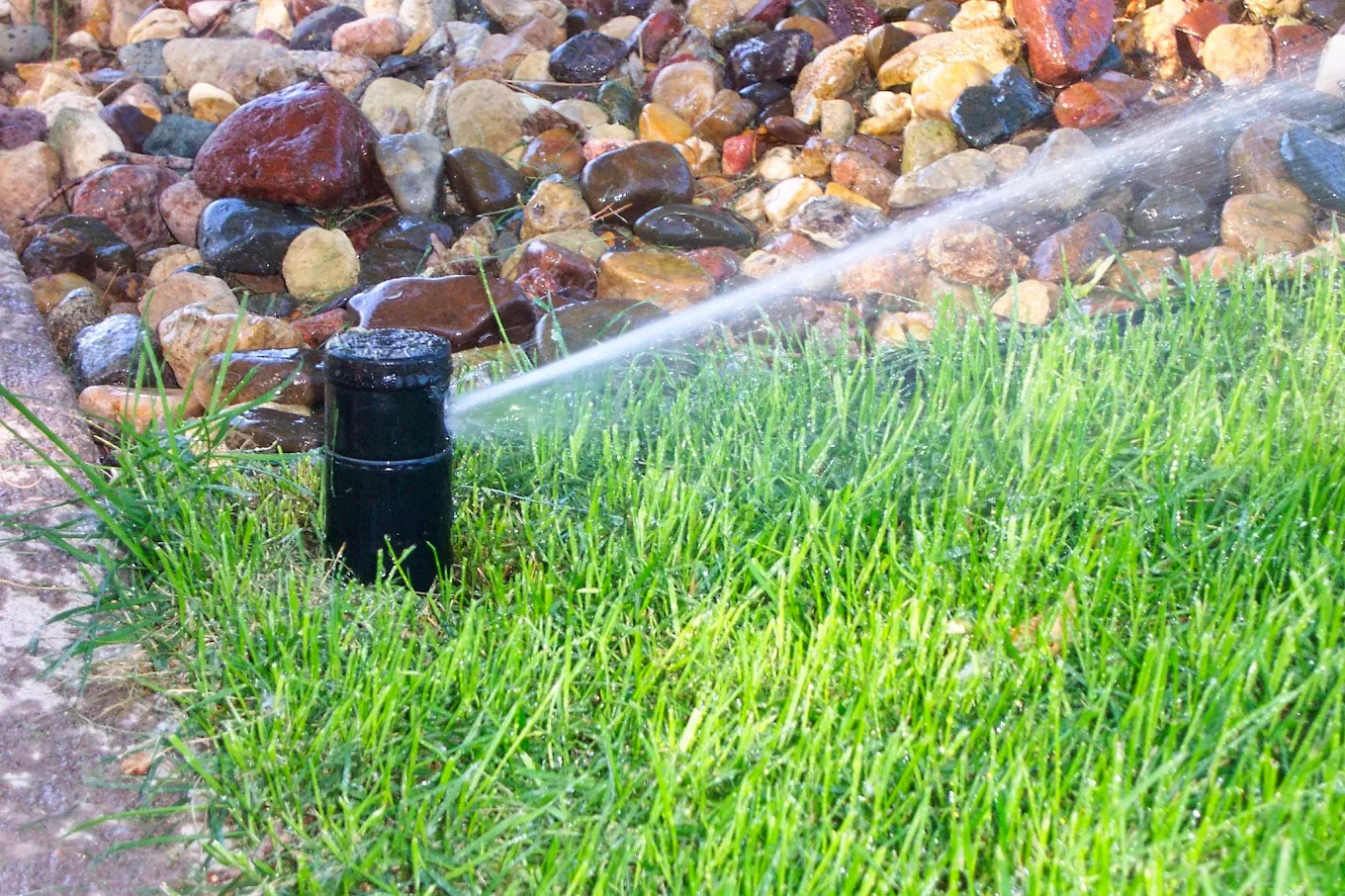
Spray irrigation works best for turf areas where you need uniform coverage across large open areas. Modern spray heads with pressure regulation and matched precipitation rates provide excellent efficiency for lawns and athletic fields.
"We design systems that use drip for all shrub beds and spray for turf. This hybrid approach maximizes efficiency while keeping installation and maintenance costs reasonable."
Cost Considerations
Drip systems cost more upfront due to tubing, emitters, and pressure regulators. However, long-term water savings often justify the investment, especially in areas with high water costs or where overspray damages hardscapes and structures.
Maintenance Requirements
Drip systems need annual flushing to prevent emitter clogging from sediment and mineral deposits. Spray systems require head adjustments and replacement but generally need less routine maintenance. Both benefit from professional spring startup and winterization.