


5 Ways a Landscape Spring Cleanup Will Benefit Your Eau Claire, WI Lawn & Landscape
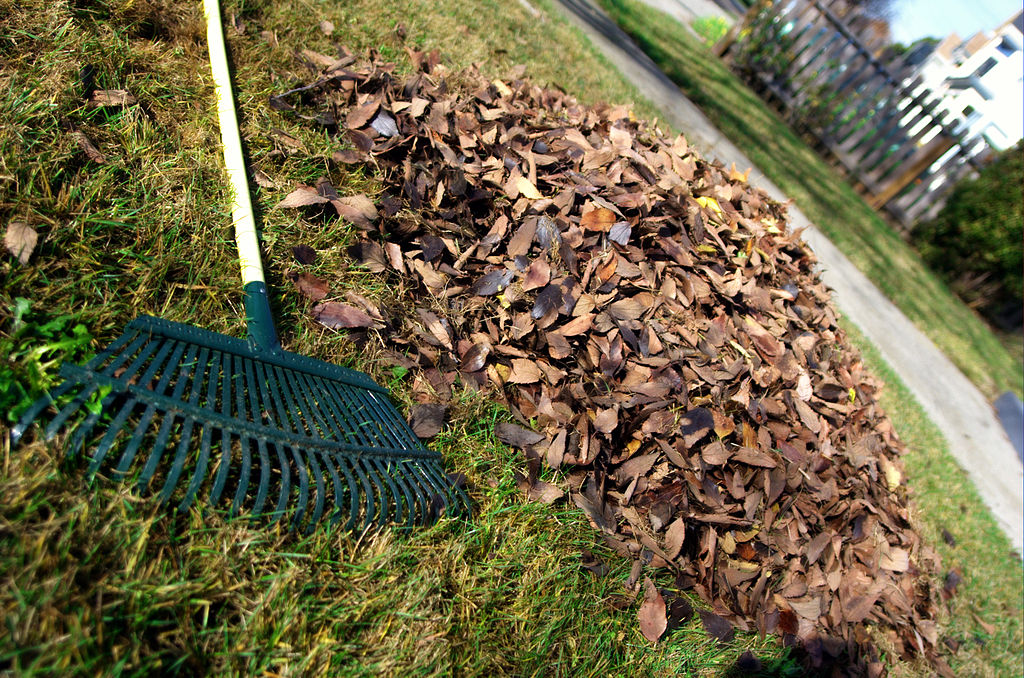
A couple of hours with a rake in April is not how anyone wants to spend the first warm weekend, and it changes what the rest of the season looks like. Here are five specific things a spring cleanup makes possible on a Wisconsin or Minnesota property.
Start with the tidy-up
Winter leaves a mess. Clear the lawn of debris: litter that blew in, matted leaves that got missed in fall, and branches that came down over the winter.

Rake gently. Turf coming out of dormancy is tender, and if the ground is still wet, aggressive raking pulls out live grass that would have recovered on its own. The goal is to lift and remove the matted material and loosen the surface slightly, not to scrape the lawn.
This is also the moment to identify the areas killed by road salt along the drive or torn up by a plow blade, so those can be seeded a few weeks later once soil temperatures come up.
1. The lawn needs light and air
A mat of soggy leaves, old clippings, and winter debris blocks light and holds moisture against the crowns. Grass under it stays weak and can die outright, and the damp mat is also where snow mold keeps going after the snow has left.
Getting that layer off restores air circulation at the soil surface so the area dries and the grass can resume growing. In matted snow mold patches, breaking up the mat is the whole treatment in most cases.
2. It clears the way for crabgrass control
Pre-emergent crabgrass control has to reach the soil to work, and a layer of debris intercepts it. A clean surface means the material gets where it needs to be.
Timing is the other half. Crabgrass germination is driven by soil temperature, not the calendar, so the window moves year to year. The goal is to stop germinating seeds before they become plants that set tens of thousands more seeds. At RainMaster you get two crabgrass treatments, one in early spring and one in late spring, which covers a germination period spread across weeks rather than happening all at once.
One thing to coordinate: pre-emergent stops new grass seedlings along with crabgrass. If you are seeding salt or plow damage this spring, that has to be planned before the first application goes down.
3. Gear up for grubs
Same reasoning as crabgrass. Grub control needs to reach the soil and be watered into the root zone, and debris on the surface gets in the way.
Grubs feed on grass roots and soil organic matter, killing sections of turf from below. Once roots are eaten that grass is gone and needs reseeding, which is why the treatment is preventive. The objective is to have the active ingredient in the root zone before eggs hatch in midsummer, so newly hatched grubs encounter it while they are small. RainMaster applies Grub Guard on the first spring visit and it carries through the growing season.
How to tell if you had grubs last year:
- Animals digging. Raccoons, skunks, and birds tearing up turf are after something.
- The tug test. Grab a handful of grass and pull. If it lifts and rolls like loose carpet, the anchoring roots were eaten.
- Spongy footing. Turf that feels soft underfoot where it used to feel firm often has grub activity below.
On pollinators: grub control goes on turf rather than flowering plants, but lawns here commonly contain blooming clover and dandelion. Mowing blooms off before an application and watering the product into the root zone where the grubs are reduces bee exposure, and product selection matters as well.
4. Fewer biting pests
Damp leaf litter and yard debris are prime habitat for both mosquitoes and ticks, which is why barrier treatments specifically target shaded, damp areas.
Clearing that material removes habitat rather than killing what is in it, which is the more durable fix. While you are at it, empty anything holding standing water, since mosquitoes need very little of it to breed: buckets, wheelbarrows, old pots, tarps, and clogged gutters.
Worth knowing about ticks, since it changes where you focus: ticks cannot jump, fly, or drop from trees. They climb low vegetation and wait for a host to brush past, so leaf litter, tall grass, and the brushy edge between lawn and woods are where they are. Cleanup in those areas does real work.
After the cleanup, RainMaster's barrier spray reduces mosquitoes and ticks across the season with visits every three weeks.
5. It is irrigation startup season
Spring irrigation activation runs from mid-April through the end of May here depending on the weather, and a cleaned-up yard makes a proper startup possible.
Winters are hard on sprinkler systems, and most systems need at least a minor repair after one. Debris around the heads hides exactly what the inspection is looking for. Once the soggy mat and matted grass are cleared, you can actually see the heads and check:
- Whether freeze and thaw cycles pushed heads out of alignment so they are spraying the driveway instead of the lawn
- Whether any heads were damaged by a plow
- Whether a rain sensor is obstructed by debris, and whether its batteries are good
- Whether heads pop and retract fully, and whether any are clogged
Spring activation is part of our irrigation maintenance programs: inspect every component, adjust the controller for the season, run every zone, and fix what the winter broke.
Once the cleanup is done, the seeding, grub control, crabgrass timing, irrigation startup, and pest control can all run on schedule as part of a lawn care program rather than as separate things to remember.
Bottom line
- Rake gently on wet ground, and clear the matted layer so light and air reach the crowns.
- A clean surface lets crabgrass pre-emergent and grub control reach the soil where they work.
- Crabgrass timing follows soil temperature, and two applications cover a germination period spread over weeks.
- Leaf litter and brushy edges are tick habitat. Ticks quest from low vegetation and cannot drop from trees.
- Irrigation activation runs mid-April through end of May, and most systems need at least a minor repair after winter.
Frequently asked questions
How soon can I rake my lawn in spring?
Once the surface has dried enough that you are not pulling up turf. Raking saturated ground over dormant grass uproots live plants that would have recovered.
Do I need to clean up before crabgrass pre-emergent goes down?
Yes. The product has to reach the soil surface, and a layer of matted leaves and debris intercepts it. Cleanup also has to happen before the soil temperature window, which moves year to year.
When does spring irrigation startup happen in Wisconsin and Minnesota?
Generally mid-April through the end of May depending on weather. It includes checking head alignment, clearing clogs, testing the rain sensor, and adjusting the controller for the season.
Can I seed salt and plow damage in spring?
Yes, once soil temperatures come up, and it has to be coordinated with crabgrass pre-emergent, which stops new grass seedlings along with crabgrass.
University of Wisconsin Extension, Crabgrass.
EPA WaterSense, Sprinkler spruce-up.


