


Should I Fix My Lawn Now or Wait? Seasonal Lawn Repair Tips for WI & MN Homeowner
The short answer to whether you should repair your lawn now or wait is almost always now, because the problems do not pause while you decide. The longer answer depends on the season, since what works in September is not what works in July. Here is the breakdown.
Fall is the best time to repair a lawn here
If you have a choice, repair in fall. Temperatures are cooler, rainfall is more reliable, and weed pressure drops off sharply compared to spring and summer. Cool-season grasses put their energy into roots in fall, which is exactly what a damaged lawn needs.
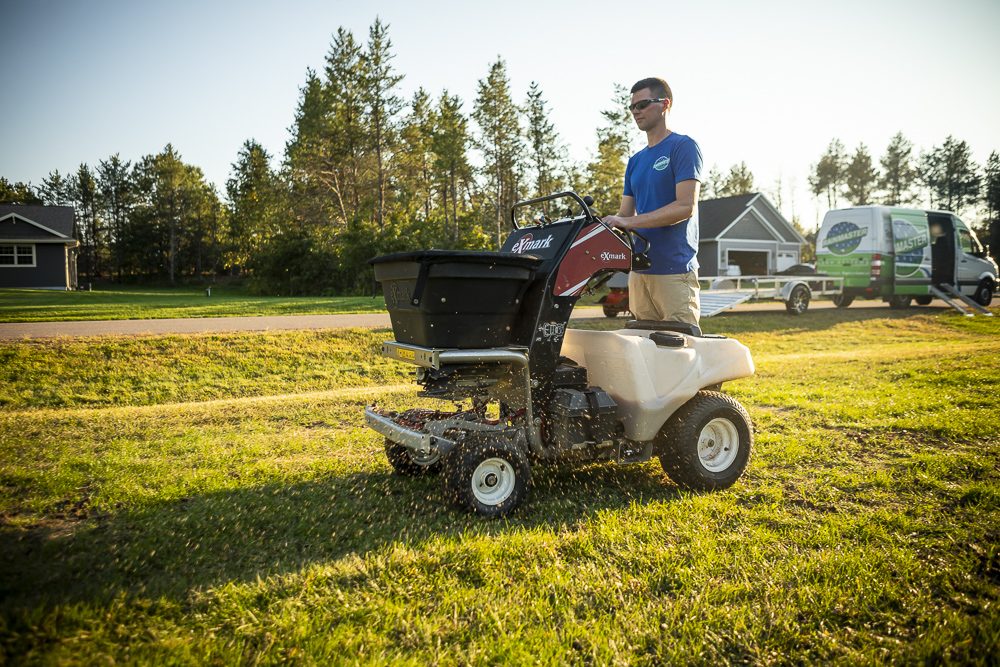
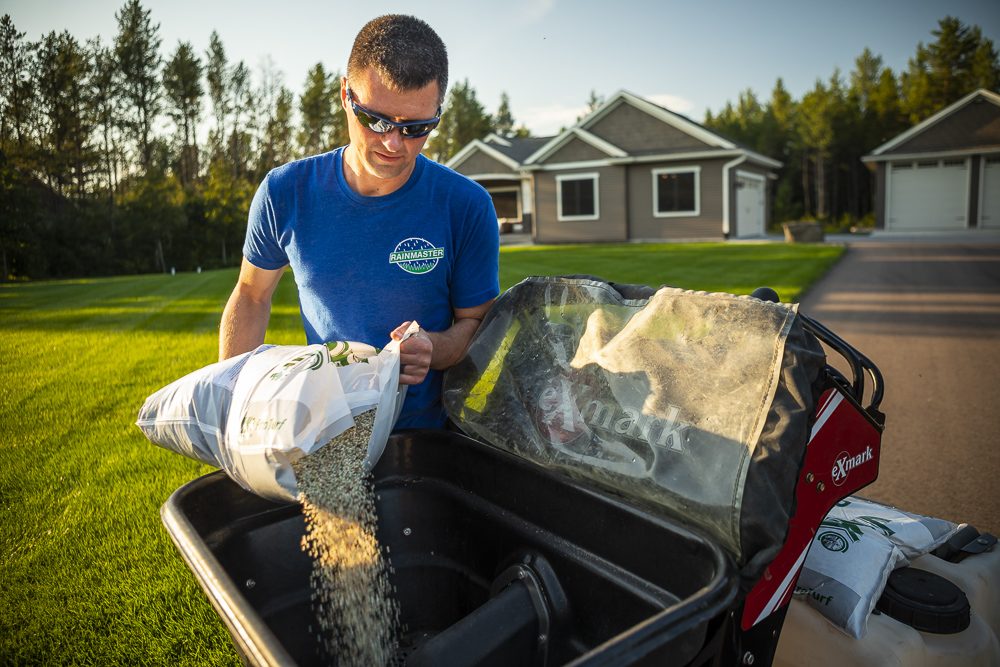
Fall is also the window for the two most effective repair tools available: aeration and overseeding.
Aeration
A core aerator pulls small plugs of soil out of the lawn so water, air, and nutrients can reach the root zone. Compacted soil is the hidden cause behind a surprising share of thin, struggling lawns. When soil is compacted, roots cannot take up water or nutrients, the turf weakens, and disease and weeds move into the gap.
Overseeding
Overseeding right after aeration works because the holes are ideal seedbeds. The seed lands in soil contact, at depth, protected from wind and birds. Seeding into an un-aerated lawn leaves most of the seed sitting on thatch where it dries out before it can root. Keep the seedbed consistently moist until the new grass is up, which usually means light watering more often than normal for two to three weeks.
Can you repair a lawn in winter
You cannot do physical work on frozen ground, but winter is not wasted time. The useful move in winter is planning and scheduling.
Good lawn care companies fill their spring calendars early, and there is a limit to how much work any crew can take. Using January and February to decide what you want done and get on the schedule means the work happens at the right time in spring instead of six weeks after you wanted it.
Winter is also the right time to order a soil test if you have never had one. Results tell you whether the lawn's problem is nutrition, pH, or something else entirely, and that changes the repair plan.
Spring lawn repair, with one complication
Spring is a good time to start repair work, with one specific conflict to plan around. On a standard fertilizer program, crabgrass preventer goes down in spring, and crabgrass preventer stops new grass seed from germinating along with the crabgrass. You cannot apply both and expect the seed to come up.
If you want to seed in spring, the program has to be adjusted: different products, different timing, or seeding deferred to fall while weed control stays on schedule. It is a solvable problem, but it has to be decided before the first application goes down rather than after.
Spring is the right time for grub control. The goal is to have the product in the root zone before eggs hatch in midsummer, not to chase grubs after they are already feeding. At RainMaster, Grub Guard goes down on the first visit of the spring, and the product carries through the growing season from there.
Summer repair is the hardest, but better than nothing
Summer is the worst time to start fixing a lawn in Wisconsin or Minnesota. Everything is working against new growth:
- Heat that stresses cool-season grasses and makes seedlings difficult to keep alive.
- Dry stretches that leave a new seedbed unable to stay moist without daily attention.
- Humidity that encourages fungal disease in turf already under stress.
Without an irrigation system, summer seeding is close to a waste of seed. That said, there is still useful work to do in summer that sets up a fall repair:
- Test the soil pH. Nutrients are only available to the plant within a certain pH range. If the pH is off, fertilizer does not help, no matter how much you apply. A test tells us which amendment the lawn needs.
- Fertilize correctly for the season. Steady nutrition keeps the existing stand of grass alive through heat, which means less to repair in fall. Avoid heavy nitrogen in the middle of a hot stretch.
- Get weeds under control. Most of the perennial weeds you are looking at established the previous year. Treating them in summer and fall reduces what comes back next spring and keeps them from claiming the thin areas you plan to seed.
The answer is still now
Whatever season it is as you read this, there is a version of lawn repair that fits. Waiting has a cost: thin turf gets thinner, weeds spread and set seed, compaction worsens, and the repair gets bigger and more expensive the longer it sits.
RainMaster offers three program levels depending on the results you want, how fast you want them, and your budget. Luscious Lawn is the high-end proactive program, the choice for the fastest results or for a lawn that needs significant help. Terrific Turf is the mid-level option and the most popular, built to grow a thick, green lawn and handle most challenges. Healthy Habitat is the basic plan with the elements a better lawn requires.
Start with a lawn care program appropriate to the season, and pair it with irrigation if watering is what has been holding the lawn back.
Bottom line
- Fall is the best repair window in WI and MN: cool temperatures, more rain, less weed pressure, and root growth.
- Aerate first, then overseed into the holes, and keep the seedbed moist for two to three weeks.
- Winter is for planning, soil testing, and getting on the spring schedule before it fills.
- Spring seeding conflicts with crabgrass preventer, so the program has to be adjusted before the first application.
- Summer is the worst time to seed but the right time to test pH, fertilize correctly, and knock back weeds ahead of fall.
Frequently asked questions
Is it too late in the year to fix my lawn?
Rarely. Seeding has a practical cutoff once soil temperatures drop too low for germination, but aeration, fertilization, weed control, and soil amendment all still have value late in the season, and anything you do now reduces the size of next year's repair.
Why can't I seed and apply crabgrass preventer at the same time?
Crabgrass preventer works by stopping seed germination, and it does not distinguish between crabgrass seed and the grass seed you just spread. If you want to seed in spring, the weed control plan has to change.
Do I have to aerate before overseeding?
You get far better results if you do. Seed needs contact with soil to germinate and root. Seed broadcast onto an un-aerated lawn mostly lands on thatch and dries out.
When should grub control go down?
In spring, so the product is in place before eggs hatch in midsummer. Waiting until grub damage appears means treating after the roots have already been chewed.
University of Minnesota Extension, Seeding and sodding home lawns.
University of Wisconsin Extension, Lawn aeration.


