


Tips for Repairing Eau Claire Lawns Damaged by Snow Removal or Salt Burn
Once the snow finally clears in Wisconsin and Minnesota, the damage shows up all at once: scraped turf where the plow ran, and brown brittle strips along every walk and drive where ice melt landed. The two problems look similar and need different fixes.
Why rock salt is hard on turf
Chloride salts pull moisture out of plant tissue. When salt accumulates in the root zone, it creates a situation where the soil solution is saltier than the inside of the root cells, so water moves out of the plant instead of into it. The grass dehydrates and dies even with moisture in the soil.
High salt levels also degrade soil structure, which makes it harder for roots to take up water and nutrients even after the visible salt is gone. That is why a salt-damaged strip can be slow to recover even after reseeding.
What salt damage looks like
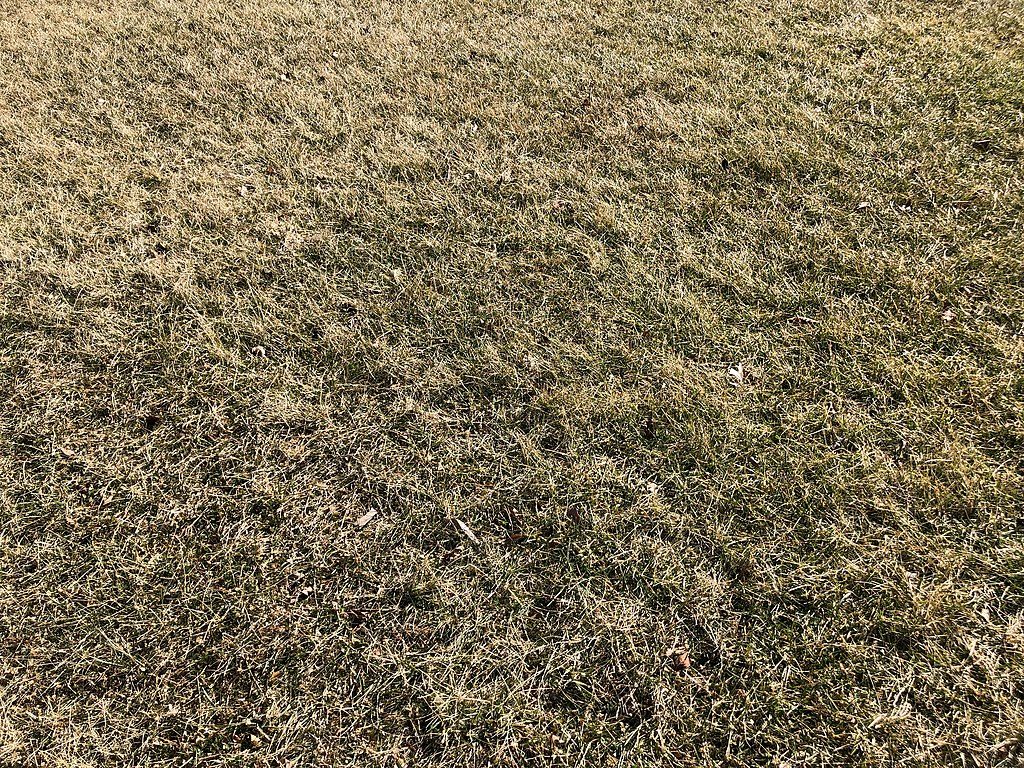
- Grass turns yellow to brown and often looks scorched.
- Blades feel dry and brittle when you touch them.
- Damage is most pronounced at the blade edges and tips.
- Dead areas form in uneven patches that follow wherever salt accumulated or wherever slush was pushed.
- The pattern stops abruptly at a certain distance from pavement, which is the giveaway that it is salt and not disease.
Will the grass come back
Where salt actually killed the turf, no. Water the area thoroughly first to leach chloride down through the soil profile and out of the root zone, then plan on reseeding. Light damage at the margins can recover on its own.
Plow damage is different. If the blade only disturbed the surface and the crowns and roots are intact, the turf usually recovers on its own with water and time, since turf roots are resilient and will push new growth. Where the blade scraped sod off in sections, you are reseeding.
Does gypsum repair salt damage
Gypsum can help over time. It supplies calcium that displaces sodium from soil exchange sites, which allows the sodium to be leached out with water. What it does not do is work quickly, and it does nothing for grass that is already dead. On a residential lawn the faster, more reliable path is flushing the area with water and reseeding. Note also that gypsum is pH neutral, so it is not a pH correction.
How to repair and reseed
- Rake out the dead turf. Seed roots best against bare soil, so remove the dead material rather than seeding over it.
- Loosen the top layer of soil. Scratch it up so the seed has somewhere to sit.
- Spread seed, scratch it in, and tamp it down until you can feel firm contact between seed and soil.
Then protect the seeding:
- Keep foot traffic off while seedlings establish.
- Hold off on weed control for at least a month. New seedings come in weedy and the weeds grow faster than the grass, which is maddening, but most herbicides will take out the new grass along with them. The exception is professional-grade material that is safe on new seedings. If we handle your lawn care, we can treat the day we seed.
- Water lightly and often at first, which is the opposite of mature turf. Small amounts several times a day keeps the seedbed moist without drowning it. Most people overwater new seed.
- Use a starter fertilizer, which carries phosphorus and a portion of quick-release nitrogen in smaller doses, because new roots need immediate access to both.
- Keep the care going once it establishes, so the repaired area does not simply thin out again.
Seed selection for repairs
Skip the bargain bag. Cheap seed commonly contains weed seed and undesirable grasses, so you are planting next year's problem into this year's repair.
Use a blend. Fine fescues tolerate shade. Kentucky bluegrass performs in sun and spreads to fill in. Perennial ryegrass handles traffic and germinates fast, which is useful on a repair you need to hold quickly. A blend also resists disease better, since a pathogen that favors one species does not take the whole stand.
Prevent the damage next winter
This is a planning conversation, not a repair technique. We walk the property with you before the season to answer questions, hear expectations, and settle details: exactly where snow gets piled, where stakes go, and which areas need extra care.
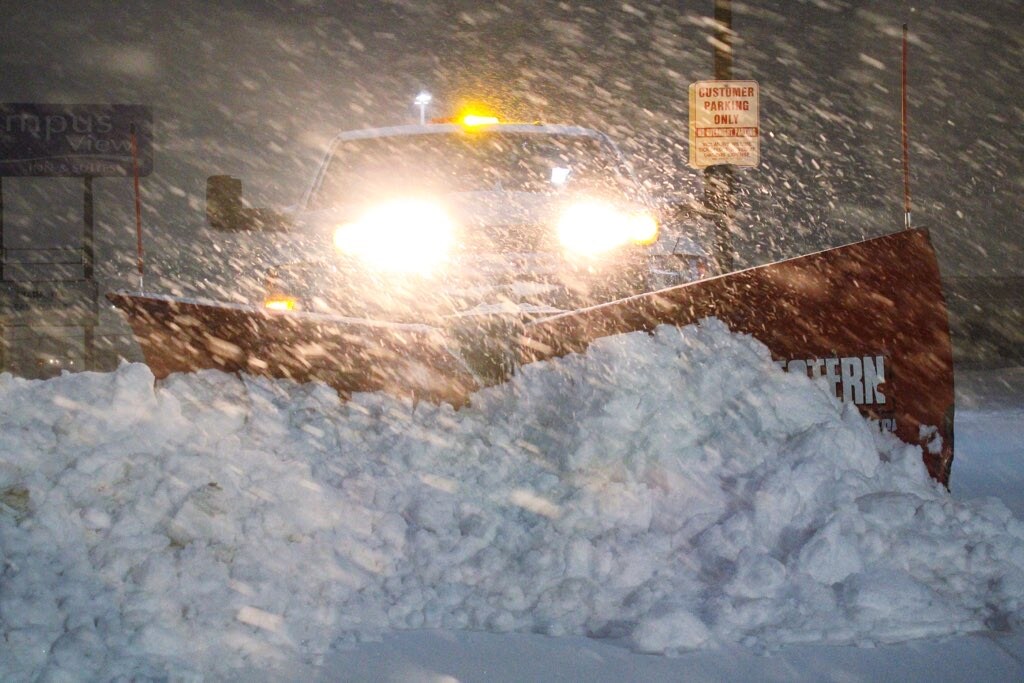
Some damage is part of thorough, safe snow removal, and any company that tells you otherwise is not being straight with you. A plow truck is a 2,000-pound machine with a steel blade, often working in the dark. Pushing it across grass will take some turf off. Equipment leaves ruts. Enough salt kills grass. Snow piled on a shrub kills the shrub. We put those expectations and the responsibility for repairs in writing in the contract, before anything happens.
Snow removal practices that reduce damage
Snow hauling
Hauling snow off site removes the piles that crush turf and break shrubs, which matters most on properties with nowhere to store it. It also reduces snow mold, since the fungus develops under prolonged snow cover and is worst where piles linger longest. When piles finally melt you are left with matted gray or tan patches that look like straw and block light from the turf underneath.
Brine
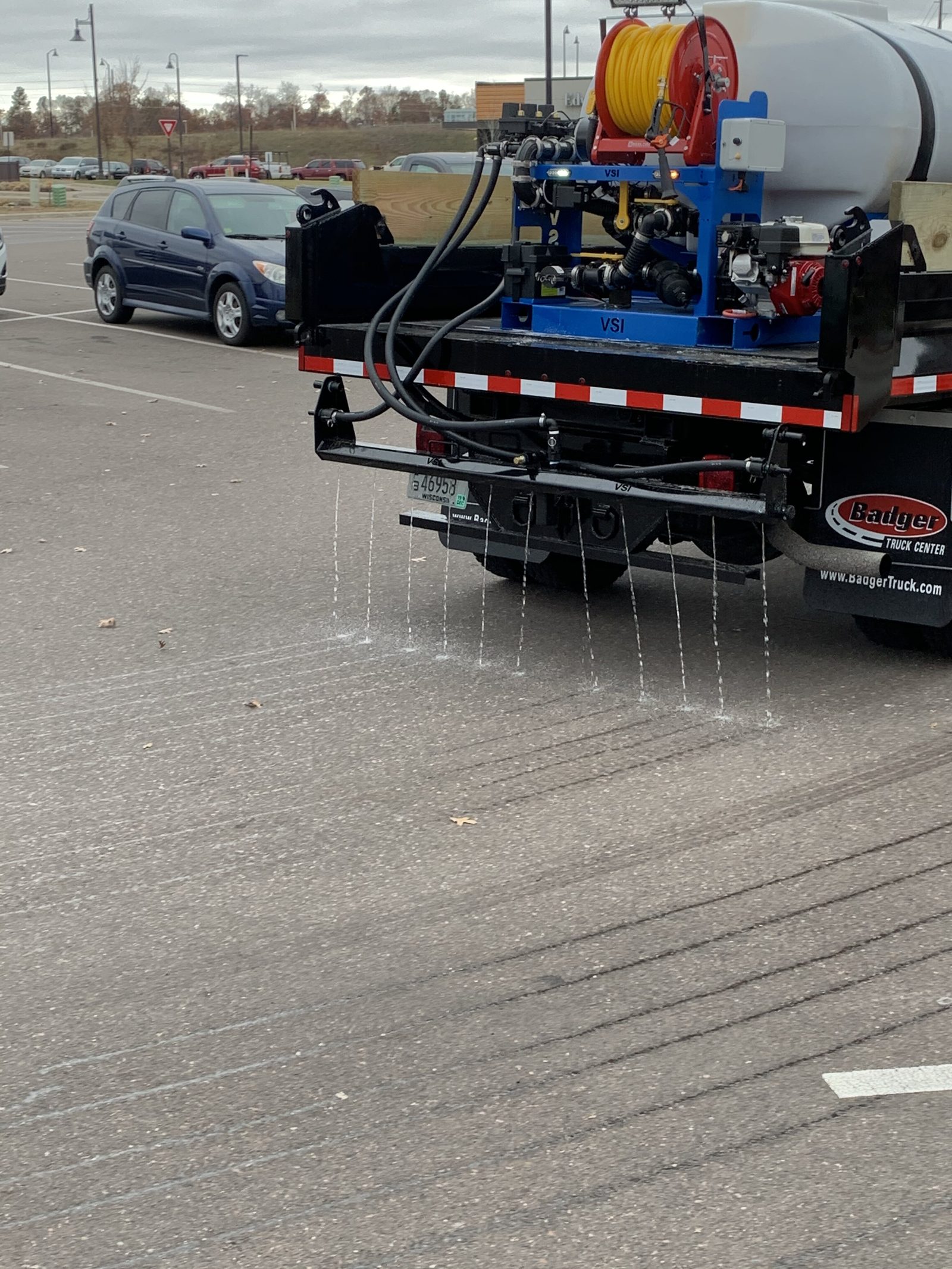
Brine is a liquid salt solution sprayed on pavement, usually ahead of a storm, so snow and ice do not bond to the surface. Because it is liquid it stays where it is applied rather than scattering into lawn and beds, and it delivers far less chloride per square foot than solid rock salt. Less chloride applied is the only dependable way to reduce salt injury.
Treated salt
We use treated salt rather than untreated rock salt. It is less corrosive, stays on the surface instead of bouncing into turf, and works at lower temperatures, which means less product does the same job. Beyond killing grass, excess chloride runs off into rivers and streams and reaches groundwater, where it does not break down. Careful rates are the whole game. Our snow and ice management is built around that.
Bottom line
- Salt damage shows as brown brittle grass in uneven patches that stop abruptly at a set distance from pavement.
- Salt-killed turf does not recover. Flush the area with water to leach chloride, then rake out and reseed.
- Minor plow scraping usually recovers on its own. Sections of sod torn off need reseeding.
- Gypsum helps displace sodium slowly and is pH neutral. It is not a repair for dead grass.
- Brine, treated salt, and a pre-season plan for snow piling cut next winter's damage substantially.
Frequently asked questions
Will grass grow back after salt damage?
Only where the damage was light. Where salt killed the turf, water the area thoroughly to leach chloride out of the root zone, then rake out the dead grass and reseed or sod.
How do I tell salt burn from snow mold?
Salt burn is brown and brittle and follows pavement edges, stopping at a consistent distance. Snow mold appears as matted gray or pink patches wherever snow lay longest, including the middle of the lawn, and the blades are matted rather than scorched.
When can I reseed after winter damage?
Once soil has dried enough to work without compacting it and is warm enough for germination, usually late April into May here. Fall seeding is stronger, so for larger areas consider a light spring patch and a full repair in late August or September.
Can I apply weed control on a new seeding?
Not with standard homeowner products, which will kill new grass along with the weeds. Wait at least a month. Professional-grade materials labeled as safe on new seedings can be applied much sooner, in some cases the day of seeding.
Wisconsin Department of Natural Resources, Chloride and water quality in Wisconsin.
University of Minnesota Extension, Seeding and sodding home lawns.


