


9 Reasons You Can't Kill Lawn Weeds: Pro Lawn Care Tips for Eau Claire, WI & the Twin Cities, MN
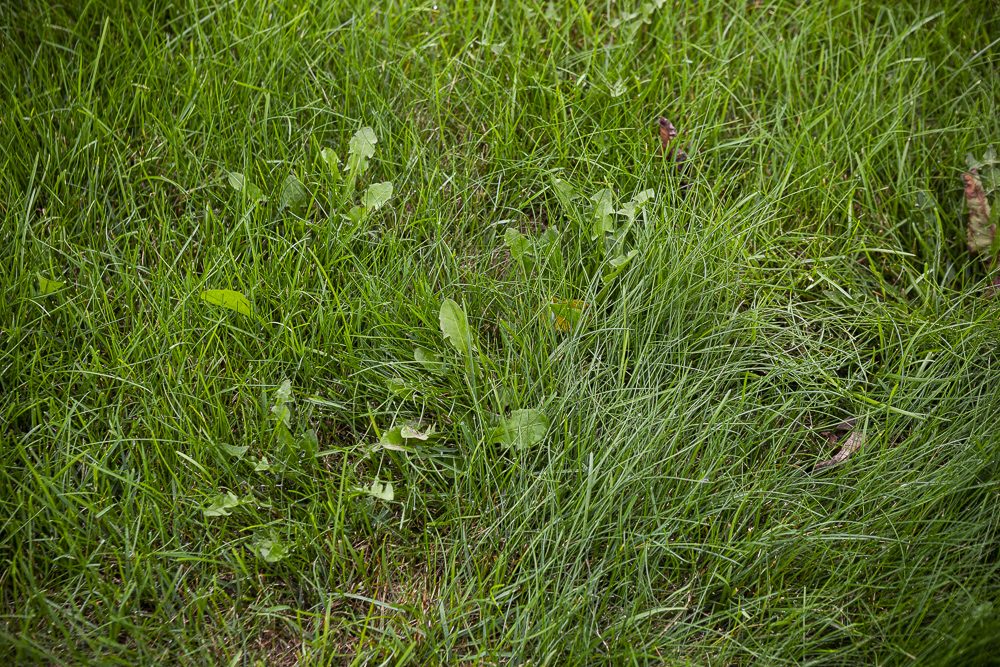
If weeds keep coming back after you have sprayed, dug, and sworn at them, the problem is usually not effort. It is product selection, timing, or a thin lawn that keeps leaving open ground for the next generation.
1. The store product does not control that weed
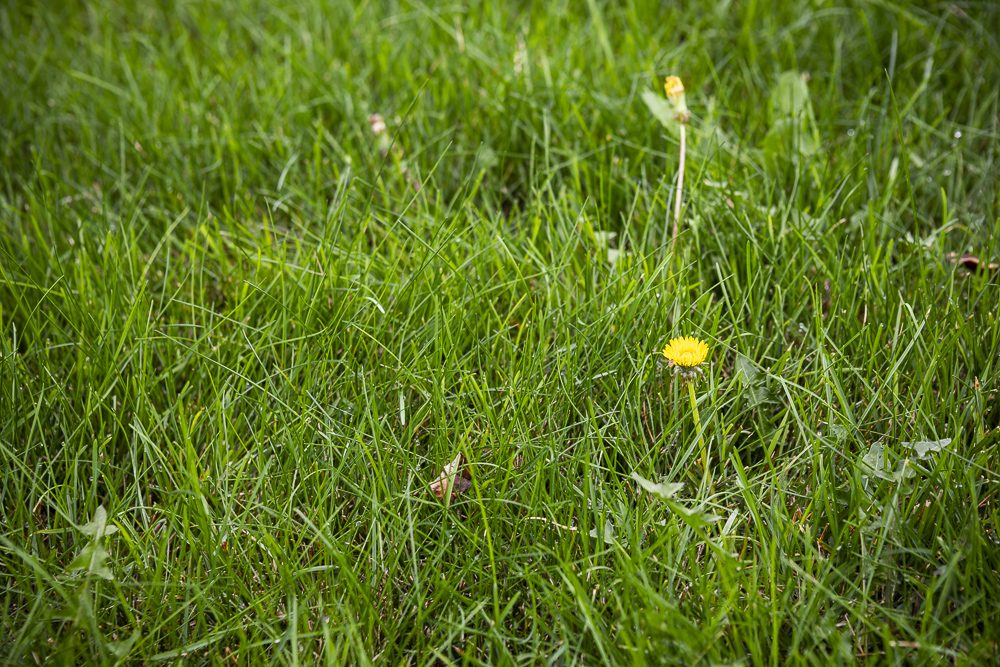
No single herbicide kills every weed. Homeowner products cover common broadleaf weeds reasonably well and fail badly on the tough ones. Creeping Charlie, also called ground ivy, needs a professional-grade specialty product applied more than once in a season, and it is the weed homeowners most often give up on. Dandelions respond better to a specialty treatment that reduces how many emerge in the first place than to spot spraying after they bloom.

What to change: match the product to the weed, or hand the stubborn species to someone with access to professional materials.
2. Your lawn care company is using old products
Herbicide chemistry moves. Companies that track the research spend more per gallon than companies running the same twenty-year-old standby to hold costs down, and the difference shows on the hard species.
What to change: when you hire, ask what they use on Creeping Charlie, nutsedge, and quackgrass specifically. Vague answers tell you something.
3. The lawn is not thick enough
Weeds do not invade dense turf; they fill gaps. If the stand is thin, every treatment is temporary because bare soil keeps germinating new weeds. The fix is agronomic, not chemical:
- Mow high. Three to four inches. Taller grass shades the soil, and cooler shaded soil germinates far fewer weed seeds. Scalping does the opposite.
- Water deeply and less often. Both extremes favor weeds. Constant surface moisture suits crabgrass and nutsedge; drought stress opens gaps for everything else.
- Aerate and overseed. Once a year, late August through mid September here, to thicken the stand and relieve compaction.
- Run a program, not a rescue. Preventive and curative treatments timed across the season, from early spring through late fall.
4. You are not treating preventively
For crabgrass, post-emergent control is a losing game. A pre-emergent barrier has to be in place as soil temperatures climb into the mid 50s and 60s and the seed germinates, which in Eau Claire and the Twin Cities usually happens in April or early May rather than on a date you can mark in advance. Wait until you can see crabgrass and you are dealing with established plants that will set seed regardless.
Most companies make one crabgrass application in spring. RainMaster makes two, early spring and late spring, because a single application loses effectiveness after about six weeks and the germination window is longer than that.
5. There is no selective product for that weed
Selective herbicides kill the weed and leave the grass. They are the normal tool, but not every weed has one. Quackgrass is the clearest example: there is no selective herbicide for it in a cool-season lawn, so the options are a non-selective spot treatment or digging it out, both of which leave a dead patch.
What to change: accept the brown spot. A spot-treated area can be reseeded and will fill back in. Leaving quackgrass alone because you do not want a temporary patch means it spreads by rhizome every year.
6. Soil pH is out of range
Nutrients are only available to grass roots within a workable pH band. Outside it, you can fertilize on schedule and the grass still will not get what it needs, which leaves it thin and weeds with room to work.
What to change: test the soil. If pH is out of range, the right amendment brings it back, and only then does fertilizer do its job. RainMaster includes pH testing in all three lawn care program levels.
7. There is too much shade
Grass needs sun. In heavy shade it thins out no matter what you feed it, and shade-tolerant weeds take the space. Three options, in order of how often they work:
- Prune the trees. Removing lower limbs and thinning interior branches raises the light reaching the lawn substantially.
- Reseed with fine fescues, which handle shade better than Kentucky bluegrass.
- Stop fighting it and convert the area to shade plantings or mulched bed.
8. The toughest weeds need repeated treatment over years
Some species are built to outlast a season of effort.
Crabgrass is an annual that produces many thousands of seeds per plant, and that seed stays viable in the soil for years. One clean season does not empty the seed bank.
Canada thistle spreads by a root system that runs several feet laterally. Treating the top does little; it takes repeated applications to draw material down into the roots.
Creeping Charlie reproduces by seed and by rooting at the stem nodes as it creeps, which is why it reappears from the edges after a treatment. It takes a specialty liquid product applied multiple times through the year.
Yellow nutsedge is a sedge, not a grass, and it is the hardest of the group. It produces underground tubers called nutlets that can sit dormant in soil for years before sprouting, and pre-emergent products do not stop it. It can be suppressed but not eliminated. RainMaster includes a nutsedge suppression treatment as needed, once or twice a season, at no additional charge in the lawn care programs.
9. You are expecting it to be over
Weed control is a maintenance activity, like mowing. Different species germinate in different months, and many of the worst spring weeds actually germinate the previous fall. A year of good control reduces pressure; it does not end it. The lawns that stay clean are the ones on a continuous program with five visits across the season, not the ones that got sprayed twice in a good year.
Bottom line
- Match the product to the weed. Store herbicides do not control Creeping Charlie, quackgrass, or nutsedge.
- Crabgrass has to be stopped with pre-emergent before germination, and one spring application covers only about six weeks of the window.
- A thin lawn re-weeds itself. Mow at three to four inches, water deeply and less often, and aerate and overseed annually.
- Some weeds have no selective control. Spot treating and reseeding beats letting quackgrass spread.
- Test soil pH. Out-of-range soil makes fertilizer ineffective and leaves the stand thin.
Frequently asked questions
Why do weeds come back after I spray them?
Three usual reasons: the product does not control that species, the plant regrew from roots or rhizomes the spray never reached, or the lawn is thin enough that new seed germinates in the bare ground. The first two are product problems. The third is the one most people overlook.
How long should it take for a treated weed to die?
Most begin curling within seven to fourteen days. Tough perennials can take a month or need repeat applications across the season.
Can I get rid of yellow nutsedge for good?
Realistically, no. It regenerates from tubers that survive in soil for years, and pre-emergent products do not stop it. Ongoing suppression keeps it from taking over, and that is the achievable goal.
Is it worth seeding a shady area again?
Only with fine fescues, and only if you also raise light levels by pruning. Reseeding deep shade with bluegrass produces the same thin stand and the same shade-tolerant weeds next year.
University of Wisconsin Division of Extension, Crabgrass Management in Lawns.
University of Wisconsin Division of Extension, Dandelion.


