


9 Questions to Ask When Hiring an Irrigation Company
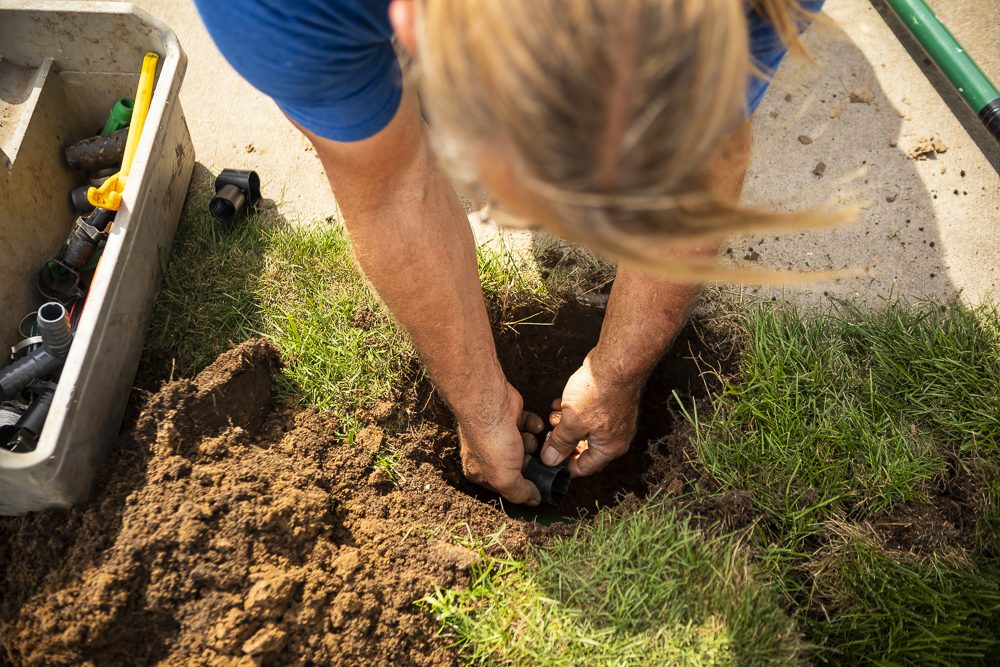
The worst time to find an irrigation company is the morning a zone will not shut off and water is running across the driveway. Ask these questions before you need anyone, and you will already have a contractor on file when something breaks. Most of them are about how a company operates rather than how it fixes pipe.
1. How will you communicate with me?
This sounds like a soft question and it is not. Irrigation work happens while you are at work, on a property you cannot see from your desk, on components buried in the ground. Everything depends on what you get told afterward.
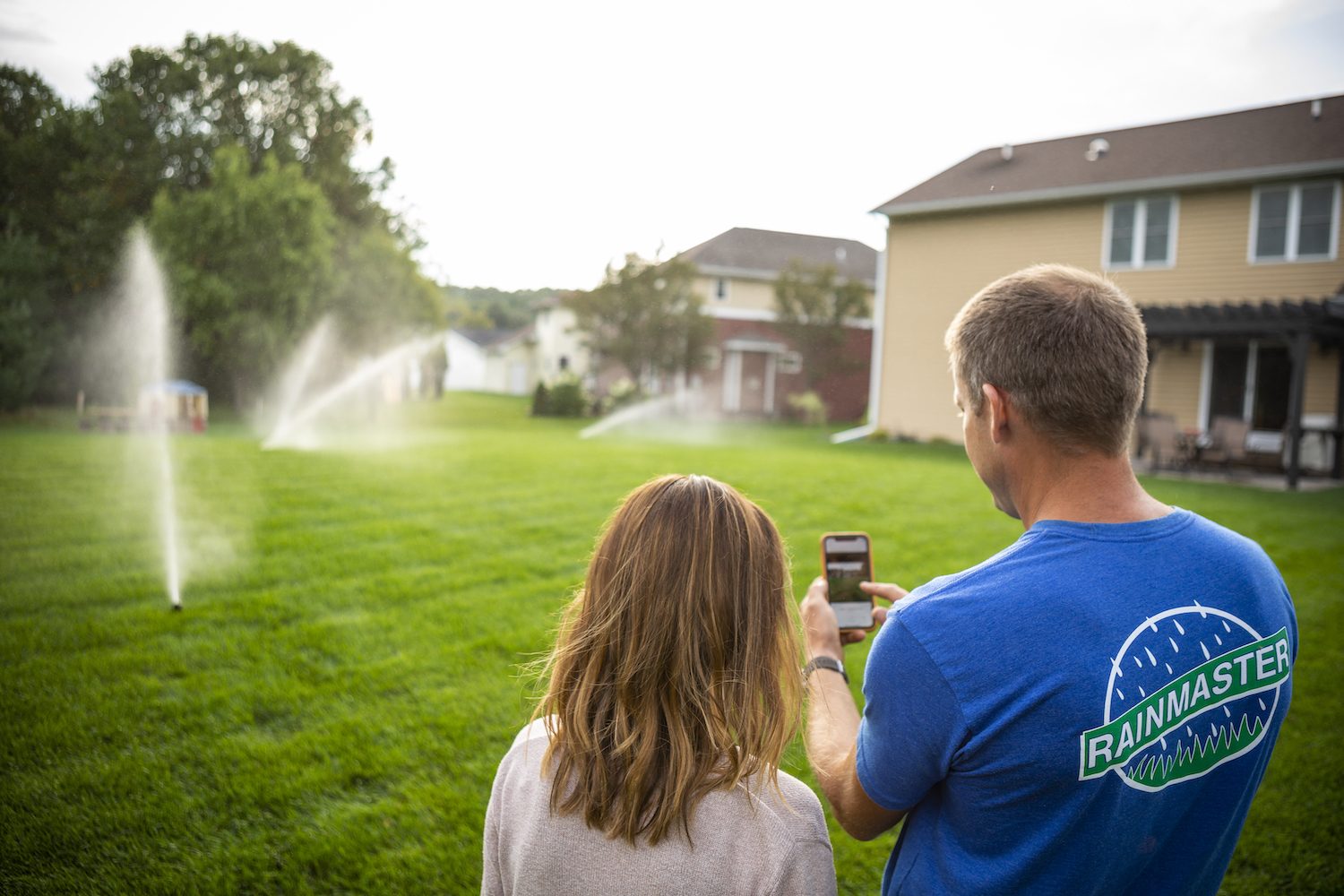

Ask whether you will be reminded of appointments and how. Ask what you receive after a visit. With us, scheduling is automatic, so you are not calling to set up seasonal services, and you get an email or text reminder the day before. After the visit you get a phone call when the technician finishes and a follow up email the next business day listing what was done and anything we noticed, from a zone that needs adjustment to a lawn that would benefit from aeration.
2. Will a person answer the phone?
Or do you get a phone tree and a call back window. Irrigation problems are time sensitive in July, and a day of waiting is a day of a dry zone or a wasted hundred gallons. Ask whether the number you are given rings in a local office, ours are in Eau Claire and Blaine, or in a national call center, and whether messages get returned the same day.
3. Can I talk to the technician who works on my system?
Your system has a history: which valve was replaced, which zone has the old heads, why the backyard runs longer. The person who knows that is the technician who has been on the property. Ask whether you can reach them directly with a question. At RainMaster you can.
4. Will I get the price up front?
This is the question that saves the most money. Most irrigation repair companies bill time and materials, which means you agree to the work without knowing what it will cost. A rate of $100 an hour plus parts tells you nothing useful, because you have no idea how many hours or how many parts.
Ask for the price of the repair before the work starts. We quote the repair, so you know the number in advance. On the payment side, customers put a card on file for automatic payment so there is no invoice to chase.
5. Do you carry the parts on the truck?
This is the difference between a repair finished today and a repair finished in two weeks. Ask what is stocked on the service vehicle, what is in a local warehouse, and what has to be ordered.
Our trucks are stocked with the parts that fail most often, which means most repairs are completed on the first visit rather than scheduled for a return trip after parts arrive.
6. What training and certifications do your technicians have?
Anyone can put a name on a truck. Ask directly about training and industry certifications, and ask whether technicians are seasonal or year round employees.
That second part matters more than it sounds. Most of the landscape industry staffs seasonally, which means a crew learns the job in May and is gone in November. We hire year round, which lets us invest in training and education, and it means the person at your house has done this for more than one season. Many of our team have college degrees and some hold horticulture degrees, and they continue adding certifications through the off season.
7. Will you tell me anything useful about my lawn?
An irrigation system exists to keep a landscape healthy, so the two subjects are not separable. Ask whether the company also does lawn care and whether technicians will tell you what they see.
Useful answers include how to prevent the repair from recurring, whether the controller schedule matches the season, whether you are watering too much, and whether a thin area is an irrigation coverage problem or a soil problem. Our irrigation specialists are trained in lawn care as well, so the recommendation comes with context rather than a shrug.
8. Is there an advantage to a maintenance program?
There is, and it shows up in four ways.
- Problems get found before they break. A technician on the property for routine maintenance finds a sunken head, a leaking fitting, or a tilted nozzle while it is still a small item.
- Water waste gets caught. Routine visits regularly turn up waste the homeowner had no idea about, from heads watering pavement to a controller still set for spring in August. Those adjustments often pay for the visit.
- Your system is on file. When you call with a problem, we know what kind of system you have, what was done last, and who was there.
- Program customers get priority. In peak season, scheduling matters, and existing customers come first rather than waiting weeks for an opening or paying for an emergency call.
9. Why should I hire you instead of your competitors?
Ask it plainly and listen to whether the answer is about you or about them. A company that cannot explain what it does differently probably does not do anything differently. The answer should cover response time, pricing transparency, who shows up, and what happens after the work is finished.
What to do with the answers
You are hiring for two separate things: technical competence and operational reliability. Competence shows up in questions six and seven. Reliability shows up in questions one through five, and reliability is what you will actually notice over a decade of owning a sprinkler system. Get both answers before you need either.
Bottom line
- Ask for the repair price up front. Most irrigation companies bill time and materials, which means you agree to the work without knowing the cost.
- Ask what parts ride on the truck. A stocked vehicle is the difference between a repair finished today and one finished after parts arrive.
- Ask whether technicians are year round employees with certifications or seasonal hires learning on your system.
- Ask what you receive after a visit: a call, a written summary, and recommendations, or nothing at all.
- A maintenance program finds small failures early, catches water waste that often pays for the visit, and puts you ahead of new callers in peak season.
Frequently asked questions
How much does irrigation repair cost?
It depends on the failure, which is exactly why upfront pricing matters. A quoted repair price tells you what you are spending before the work starts, while a time and materials rate does not. Ask for the number in advance.
Do I need an irrigation maintenance program, or can I just call when something breaks?
You can call as needed, but you will pay more over time. Routine visits catch failures before they waste water or dry out turf, and program customers get scheduling priority during the busy months when a dry zone costs you grass.
What certifications should an irrigation technician have?
Ask about industry certifications and ongoing training rather than a specific credential. The more telling question is whether the company employs technicians year round, because seasonal staffing means the person on your property may be in their first season.
Should the same technician service my system each time?
It helps. Your system has a repair history and quirks, and the technician who has been on the property knows them. Ask whether you can reach that person directly with a question.
Irrigation Association, Irrigation industry standards and certification.
U.S. Environmental Protection Agency WaterSense, Landscaping Tips.


