


Pet-Friendly Lawn Care: Is My Service Safe for My Dog?
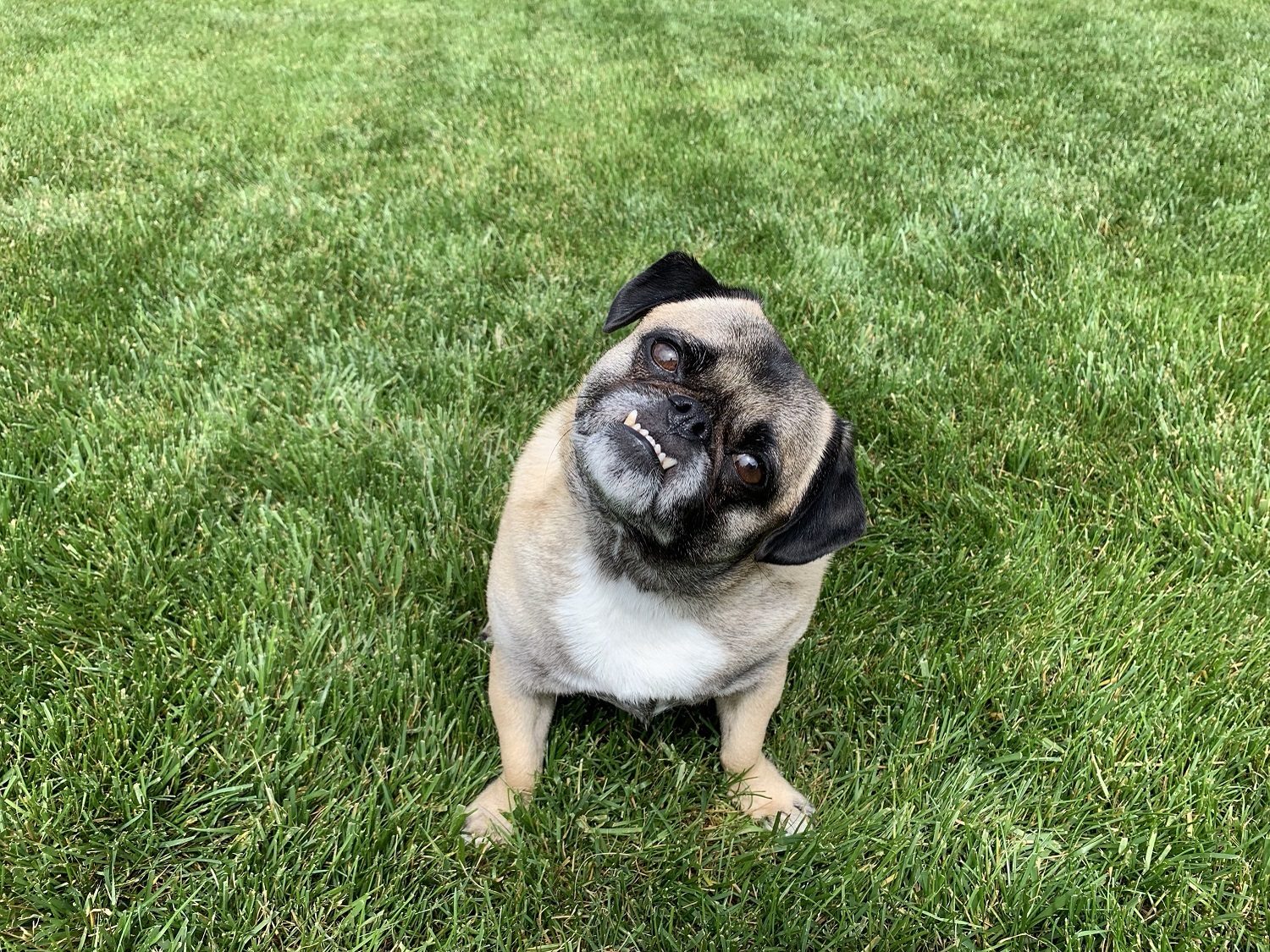
The honest answer to whether lawn care is safe for your dog comes down to timing and application method, not marketing language. Products are safe once they are dry and absorbed, which is a short window you can plan around. Here is what happens with each type of treatment and what to do on application day.
Weed control and your dog
When we treat weeds, the product goes on wet. That is the window to keep your dog inside. As liquid weed control dries on the plant, it is absorbed into the leaf tissue and bonds to the surface, which means it is no longer available to transfer onto paws or fur.
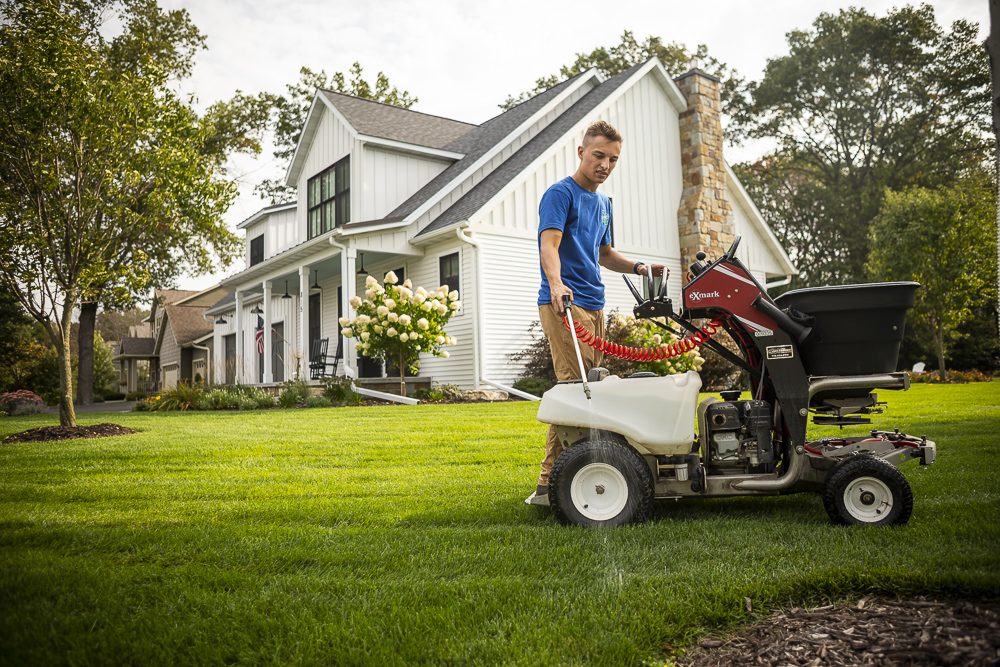
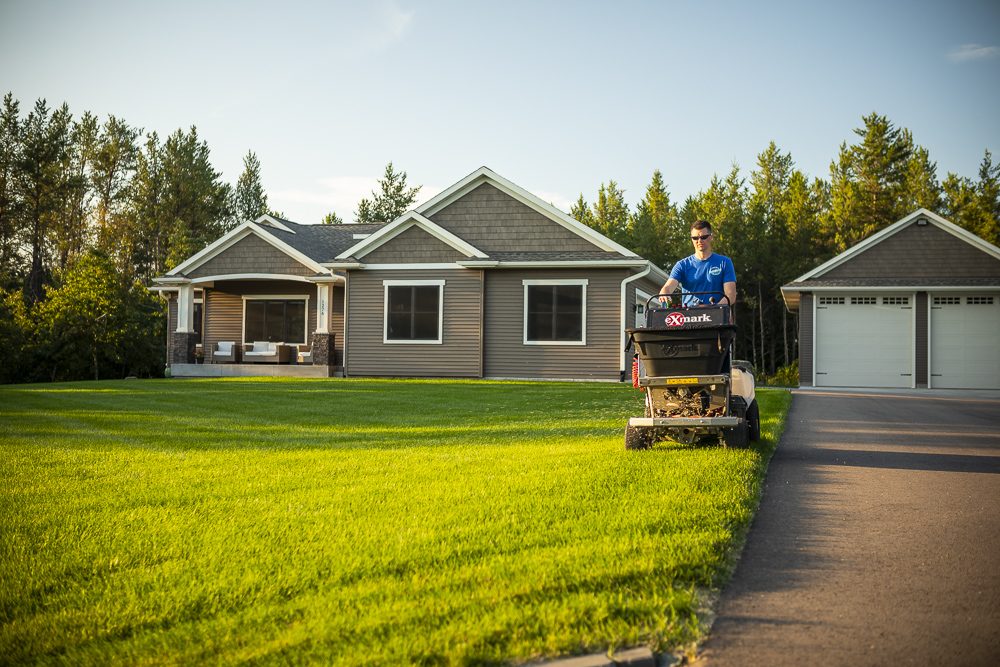
How long does that take? It depends on temperature, humidity, and sun, but usually about an hour. We generally tell people to allow one to two hours to be safe.
One detail that matters more than the drying time: we spot treat weeds rather than blanket spraying the whole lawn. Our technicians target the weeds themselves, which means the overwhelming majority of your lawn never has weed control on it at all. That is a trained-applicator decision, and it is not how a tank-based blanket program works.
Fertilizer and your dog
Dogs should not eat fertilizer, which is the real concern with granular products: a dog that finds a pile of granules and eats it.
Two things reduce that risk. First, a good watering, either from your irrigation system or from rain, moves the granules down off the surface and into the soil where they belong. Second, our technicians sweep stray fertilizer off driveways, sidewalks, and patios back onto the lawn before they leave, so there is no concentrated pile on hard surfaces for a dog to find. That also keeps fertilizer out of the storm drain, which matters for water quality.
There is a longer-term point here too. A lawn care approach built on soil and root health needs less intervention over time than one treating surface symptoms. Fewer inputs is good for your dog by definition.
Tick control, which is the real pet health issue
If you have a dog in Wisconsin or Minnesota, ticks deserve more of your attention than herbicide drying times do. Ticks carry Lyme disease and other pathogens, and dogs that range through the brushy perimeter of a yard are far more exposed than people are.
Here is how ticks actually behave, because the common belief is wrong. Ticks do not drop out of trees and they do not jump. They climb to the tips of grass blades, low brush, and leaf litter and hold a front leg out, waiting for a host to brush past. When something does, they grab on and crawl. That behavior is called questing, and it is why ticks are concentrated in exactly the shaded, damp, vegetated perimeter zones where dogs love to explore.
Targeting them in that habitat is the effective approach. RainMaster's barrier spray reduces ticks on the property all season long with regular visits every three weeks, and the same treatment reduces mosquitoes. Two pests, one price. We treat the perimeter of the yard: undersides of plant leaves, shaded areas, damp areas, under decks, and wood piles. Details are on our tick and mosquito control page.
Important: yard treatment is not a replacement for treating your pet. Follow your veterinarian's recommendation for a flea and tick preventive, and check your dog after time outside, especially around the ears, between the toes, and under the collar. Yard treatment reduces exposure. It does not eliminate it, and dogs pick ticks up on walks and in the woods too.
Pet-friendly lawn care tips for application day
- Pick up dog toys before the treatment. We watch for them and move them, but it is faster if they are already up.
- Keep pets inside until the product is thoroughly dry, typically one to two hours.
- Bring food and water bowls in ahead of an application rather than leaving them out on the patio.
- Wipe paws with a damp cloth when the dog comes in, if you want an extra layer of caution. Plenty of our customers do.
- Set aside an untreated area if you prefer. Some customers designate a section of lawn we skip for weed control and let the dogs use that.
- Ask us to skip a vegetable garden or pollinator bed entirely. Just tell us where.
About urine spots, since it always comes up
Those round dead patches with a dark green ring are not a lawn care product problem, they are nitrogen and salt concentration from dog urine. Diluting the spot with water right away is the only thing that reliably helps. Training the dog to one area and overseeding that area annually is the practical long-term approach. No product on the market neutralizes urine damage in the soil the way the labels imply.
We will close the gate
Small thing, big consequence. Our technicians close and latch your gate behind them when they leave. A dog that gets out because someone left a gate open is a far bigger risk than anything in a spray tank.
We treat it as part of the job, along with the notification before pest treatments so you know when we are coming and can plan the afternoon around it.
Bottom line
- Liquid weed control is safe for pets once dry, usually about an hour. Allow one to two hours to be comfortable.
- We spot treat weeds rather than blanket spraying, so most of the lawn never receives weed control at all.
- Water granular fertilizer in, and we sweep stray granules off hard surfaces so there is no pile for a dog to eat.
- Ticks do not fall from trees. They wait on grass tips and low brush, which is why perimeter barrier treatment works on them.
- Yard tick control reduces exposure but does not replace your veterinarian's flea and tick preventive.
Frequently asked questions
How long should my dog stay off the lawn after treatment?
Until the product is thoroughly dry, generally one to two hours depending on temperature, humidity, and sun. Once liquid weed control has dried and absorbed into the plant, it does not transfer to paws or fur.
Is granular fertilizer dangerous to dogs?
Only if eaten in quantity. Watering it in moves the granules into the soil, and we sweep any stray product off driveways and sidewalks so there is nothing concentrated on hard surfaces.
Does tick spraying in the yard protect my dog?
It reduces the tick population in the perimeter areas where dogs spend time, which lowers exposure significantly. It is not a substitute for a veterinarian-recommended flea and tick preventive, and you should still check your dog after time outdoors.
Can you skip part of my yard?
Yes. Tell us which area, whether it is a dog run, a vegetable garden, or a pollinator bed, and we will leave it out of the application.
University of Minnesota Extension, Ticks and tickborne disease.
University of Wisconsin Extension, Horticulture and lawn care articles.


