


How to Get The Perfect Lawn: Tips to Having The Best Lawn in The Neighborhood

The best lawn on the street is almost never the one getting the most product. It is the one where the timing is right, the mowing height is right, and the soil underneath actually works. Here are eleven things that make the difference in Wisconsin and Minnesota lawns, roughly in the order they matter.
1. Do not skip the crabgrass pre-emergent
Crabgrass is an annual. Every plant you see this August came from seed that germinated this spring, and every one of them is producing seed for next year. Breaking that cycle means treating before germination, not after.
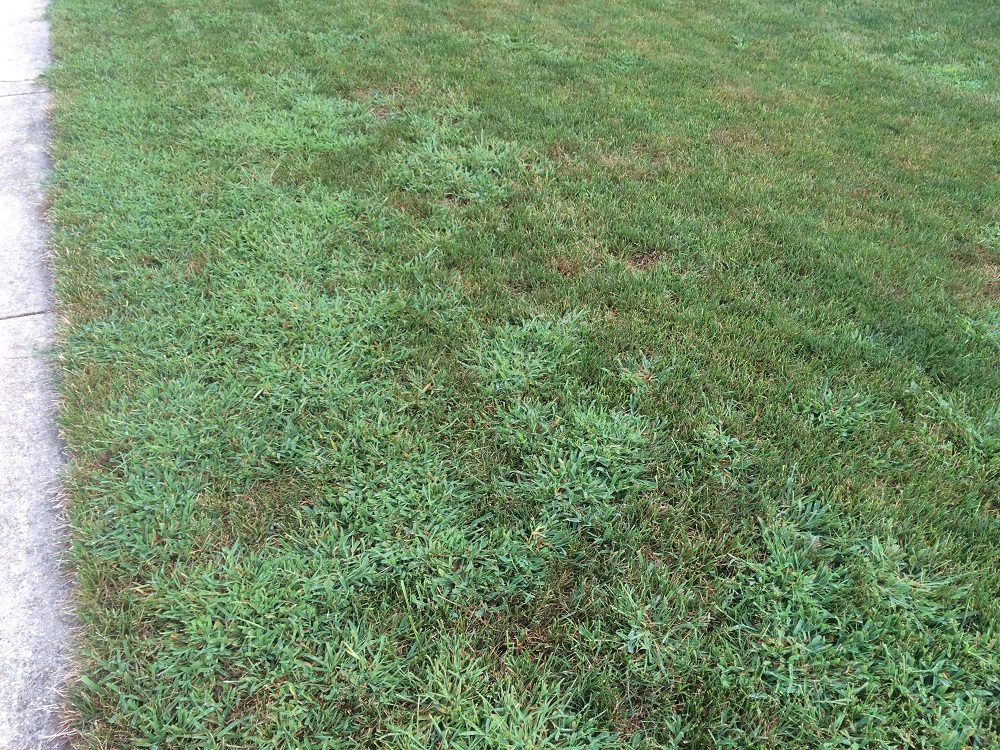
The window is narrow and it is driven by soil temperature rather than the calendar. In this region that generally lands in April to early May. We apply twice, once in early spring and again in late spring, because a single application can lose effectiveness before the germination window closes.
2. Prevent grubs rather than react to them
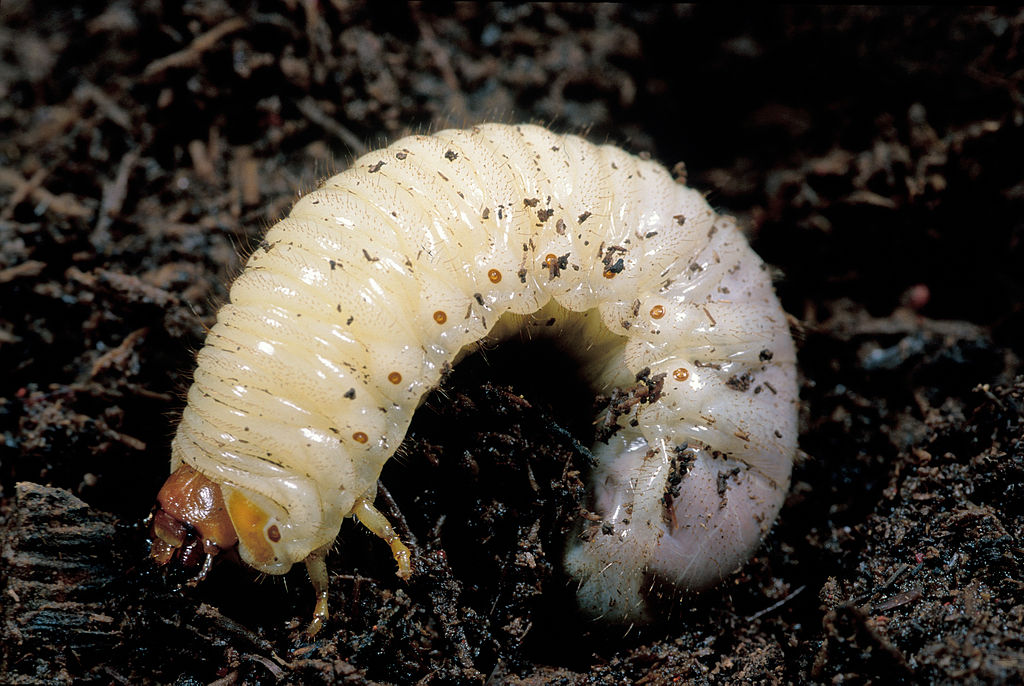
Grubs eat grass roots from below, and by the time you see the damage the root system is gone. Preventive control goes down in spring, before the adult beetles lay eggs in early to mid summer, and stays active in the root zone so the larvae pick up a dose as they hatch and begin feeding.
One correction worth making: preventive grub control does not kill eggs. It works on the newly hatched larvae, which is why the product needs to still be active at hatch. We apply Grub Guard during the first visit of the season with a material chosen to last through the growing season and to be easier on pollinators.
3. Mow high, and raise the deck as summer comes on
Taller grass grows thicker, shades the soil, and keeps soil temperatures down, which matters because warm bare soil is exactly where weed seeds germinate. Mow too short and you are preparing a seedbed for crabgrass.
A reasonable progression here is around three inches in June and three and a half to four inches through July and August. Never remove more than a third of the blade in one pass, and lower or raise the deck a notch at a time rather than all at once.
4. Use granular fertilizer
Granular costs more than the liquid fertilizer most programs use, and it is worth it. Granules break down over weeks, so the lawn is fed steadily instead of getting a spike and a crash. Blends that include organic matter also build soil rather than only feeding the plant, and that is where the deep color comes from.
5. Do not skip fall fertilizer
Top growth slows in fall but root growth does not. A fall application feeds roots while they are still active and leaves carbohydrate reserves in the plant for green up next spring. If you only fertilize once a year, fall is the application to keep.
6. Aerate
Compacted soil is the limiting factor on more lawns in this region than any other single thing. Clay soil compacts naturally and foot traffic accelerates it. Compacted soil has no air space, so water runs off instead of soaking in and roots cannot push through to find what they need.
Core aeration pulls plugs of soil out and leaves open channels for air, water, and nutrients. Roots follow them down. It also helps thatch decompose, by mixing soil microbes up into the thatch layer where they can break it down. Leave the cores on the lawn to break down rather than raking them up.
While we are correcting things: grass clippings do not cause thatch. Clippings are mostly water and break down quickly. Thatch is a layer of slowly decomposing stems, crowns, and roots, and it builds up when growth outpaces decomposition, usually on compacted or heavily fertilized lawns.
7. Test soil pH
Nutrients are only available to grass within a certain pH range. If the soil is too acidic or too alkaline, fertilizer sits there unavailable and you see very little for it no matter how much you apply. Testing takes the guesswork out, and the right amendment brings it back into range so everything else you do starts working.
8. Expect weed control to be a process, not an event
Different weeds are vulnerable at different times, which is why one application a year does not clear a lawn. Spring germinating annuals, fall germinating winter annuals, and established perennials like creeping Charlie and Canada thistle each need their own timing and, often, their own product.
Tenacious perennials are also where consumer products run out of room. They usually need professional grade materials applied more than once in a season to make real progress. A thick lawn does most of the work by denying weeds the bare soil and light they need to establish, so everything in this list feeds back into weed pressure.
9. Water correctly
Finish watering close to sunrise. Wind is lightest overnight and evaporation losses are at their lowest before the sun is up, and the lawn dries fast once it rises, which limits disease. And no, droplets on the blades do not magnify sunlight and burn the grass. That is a myth. Daytime watering is simply wasteful.
10. Skip the daily watering
On an established lawn, water longer and less often, targeting about an inch a week including rain. Let the soil dry down between cycles so roots have a reason to grow deeper. Shallow roots cannot handle a sudden hot dry stretch, and they cannot handle the disease pressure that follows one. New seed is the exception and needs several short cycles a day until it is established.
11. Put it on a program
Reading this list, the real obstacle is obvious. Every item has a timing window, and most of them land on a weekend you had other plans for. That is the argument for a lawn care program: the applications happen when the soil temperature says they should, not when the calendar frees up.
We offer three levels. Healthy Habitat covers the essentials for a better lawn. Terrific Turf is the mid level option and our most popular, built to grow a thick green lawn and handle most problems. Luscious Lawn is the proactive high end program, and the right choice when a lawn needs significant help and you want results quickly.
Bottom line
- Crabgrass pre-emergent has to go down before germination, which is driven by soil temperature in April to early May, not by the calendar.
- Preventive grub control works on newly hatched larvae, not eggs, so it has to still be active in the root zone at hatch.
- Mow around three inches in June and three and a half to four inches in July and August, taking no more than a third of the blade per pass.
- Aeration and correct soil pH decide how well everything else works. Fertilizer cannot fix compacted soil or a pH out of range.
- Water deeply and infrequently to about an inch a week, finishing near sunrise.
Frequently asked questions
What single change improves a lawn the most?
Mowing height, because it is free and it compounds. Raising the deck to three or three and a half inches thickens the turf, shades the soil against weed germination, and supports a deeper root system. After that, aeration on compacted soil.
Do grass clippings cause thatch?
No. Clippings are mostly water and decompose quickly, so leaving them returns nutrients to the lawn. Thatch is a layer of slower decomposing stems, crowns, and roots, and it accumulates when growth outruns decomposition.
When should I apply crabgrass pre-emergent in Wisconsin or Minnesota?
Before crabgrass germinates, which is tied to soil temperature and typically falls between April and early May here. A second application in late spring extends protection through the end of the germination window.
Is it worth testing soil pH?
Yes, if the lawn is not responding to fertilizer. Grass can only take up nutrients within a certain pH range, and outside it, applied fertilizer stays in the soil unavailable to the plant.
University of Wisconsin Division of Extension, Crabgrass Management in Lawns.
University of Wisconsin Division of Extension, Lawn Aeration and Topdressing.


