


New Irrigation System Installation & Maintenance: Everything You Need to Know
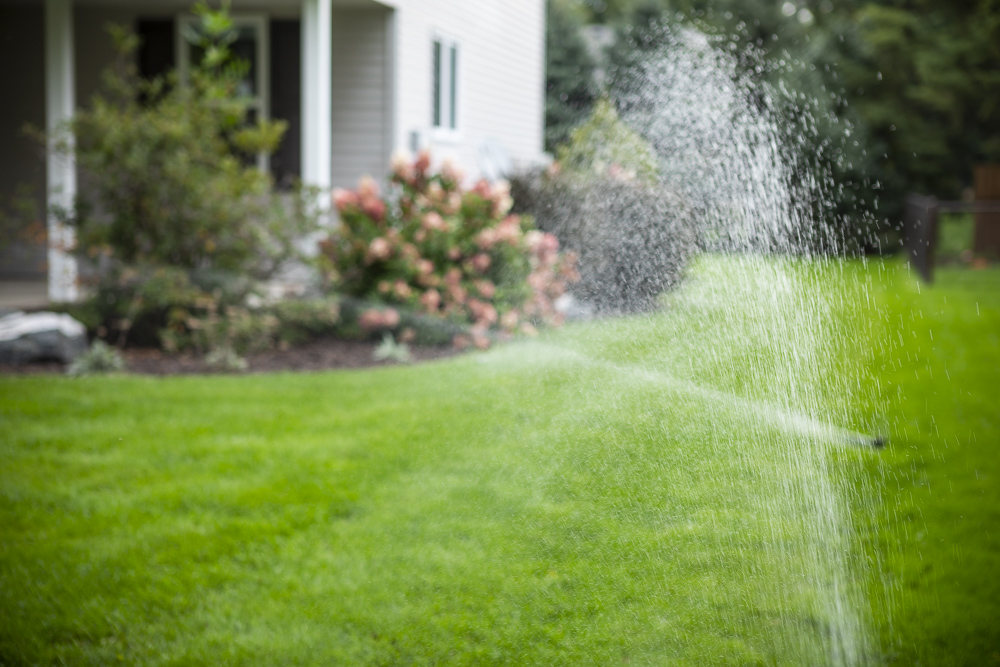
A new sprinkler system is a bigger decision than most homeowners expect, because the design choices made before anyone digs determine how well it works for the next 20 years. Here is what is in a system, what installation involves, and what it costs to own.
The parts of an irrigation system
Controller
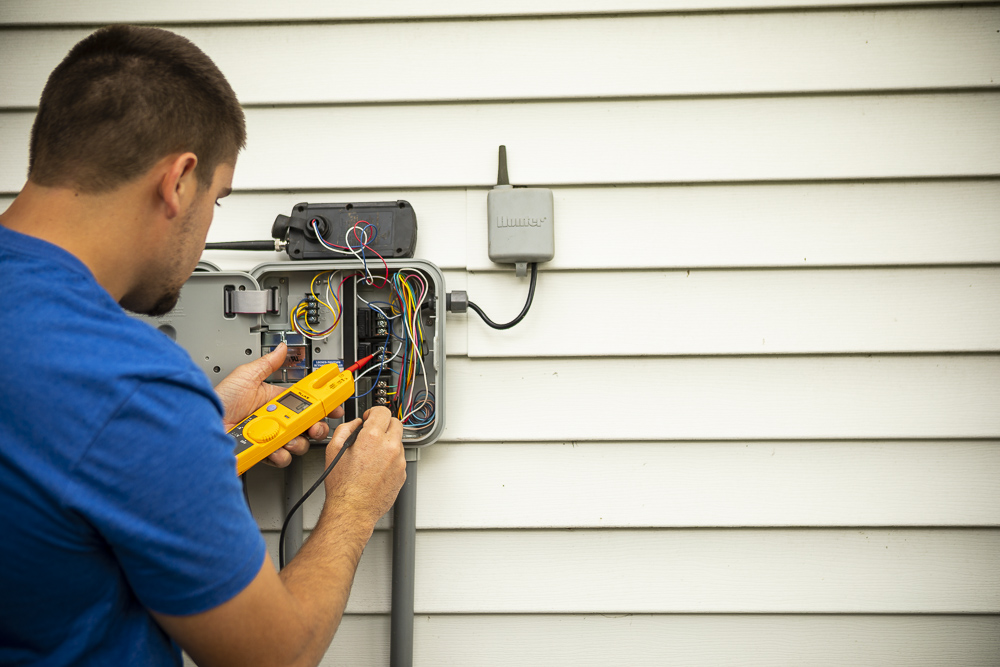
The brains of the system. It tells each zone when to run and for how long. Older controllers live on the garage wall. Current ones are operated from a phone or tablet from anywhere.
Water lines
Buried pipe that carries water. A main line feeds the laterals that serve each zone. Current installations use polyethylene pipe, which flexes with ground movement rather than becoming brittle the way older PVC does.
Backflow preventer
A required safety device. Most residential systems tap into a potable municipal supply, and water sitting in irrigation lines can pick up fertilizer, soil, and pesticide residue. The backflow device stops that water from flowing back into the drinking water supply.
Valves
Each zone has a valve that works like a faucet. The controller sends a signal, the solenoid opens the valve, and water flows to that zone's heads.
Heads
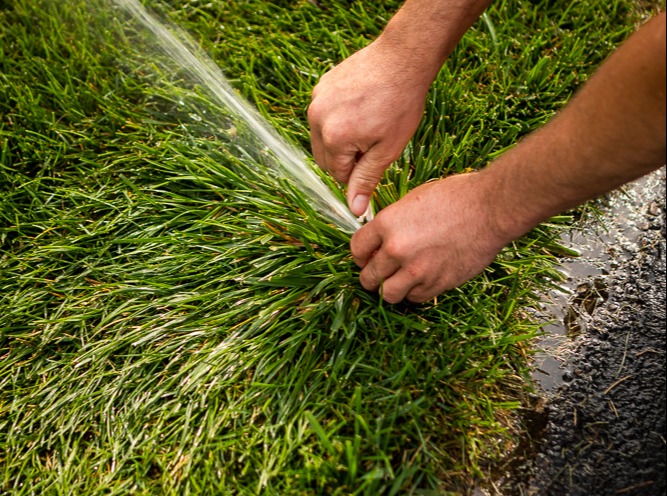
Installed at grade and rising when pressurized. Types vary by throw distance, pattern, and precipitation rate, and matching the head to the area is a design decision.
Zones
The property is divided into zones so areas with different water needs run on different schedules. Turf in full sun, turf in shade, and planting beds all want different amounts on different intervals. Most residential systems here have six to nine zones.
Reasons to install a system
A system protects what you have already invested in the landscape, with consistent watering in measured amounts, and removes the work of dragging hoses around.
On water use, be precise: a well-designed, properly scheduled system uses water more efficiently than hand watering, because it applies a measured amount uniformly and can skip when it rains. A poorly designed or badly scheduled one wastes more. Efficiency comes from design and scheduling, not automation.
Is it time for a new system
Probably not, if yours only needs occasional repairs. In our experience roughly four out of five older systems can be repaired, and repairs cost far less than replacement.
Replacement makes sense in three situations:
- A system over 20 years old built with PVC pipe. PVC becomes brittle and breaks, and at that point you are repairing continuously.
- A major landscape renovation that requires digging up and reconfiguring many zones. Starting over is usually cheaper.
- A system that was designed badly from the start, where areas never get coverage or there is not enough volume and pressure. Repairs cannot fix a layout.
What smart irrigation does
Weather-based controllers changed how systems are run:
- They skip unnecessary cycles, using local weather data to pass on watering when it has rained, when rain is coming, or when it is too windy or cold. Used correctly, that saves a meaningful volume of water over a season.
- They report faults, flagging a leak or an electrical problem, with the alert going to your irrigation company rather than being noticed in August.
- They are controlled remotely, and you can grant us access so we can adjust the schedule without being on site.
- They schedule by zone, accounting for sun exposure, plant type, soil, and slope, which is where the actual water savings come from.
What installation day looks like
- Scheduling and locates. We schedule the plumbing, call the dig hotline, mark utility lines, and coordinate with your landscaper where sequence matters.
- Pipe pulling instead of trenching. We cut a narrow slit in the turf and a machine pulls pipe through underground, rather than opening trenches and throwing soil across the yard.
- Details that pay off later. Flexible tubing at each head, extra wire in case you add a zone, and a controller sized for at least one more zone than you have.
- Cleanup and turf repair, including reseeding disturbed areas.
- Follow-up inspection for leaks, pressure, and coverage.
What installation costs
There is no single figure, because the variables are large. Installation generally runs between $3,000 and $27,000 or higher depending on property size and water source.
The range is materials and labor. More area means more heads, pipe, zones, and hours. Small lots are not automatically cheap, since tight spaces need many small heads to cover corners without spraying pavement.
Design is where the money is won or lost. Correcting a bad layout can mean digging up and repositioning 50 to 100 heads and adding zones. Watch for bids that cut head or zone count, because the savings show up later as areas that never get enough water. Oversized heads chosen to reach everything are the same shortcut in reverse, throwing water on siding and pavement.
Getting the most from a new system
- Finish watering by sunrise. Midday water evaporates and drifts, and evening water leaves the canopy wet overnight, which invites disease.
- Adjust the controller for the season. A schedule set for cool, wet May is wrong for hot, dry July.
- Do not water every day. Let soil dry between cycles. About an inch per week including rainfall, in one or two long runs, drives roots deeper.
- Use the smart controller, which handles seasonal adjustment automatically.
- Sign up for maintenance, so small faults get caught before they become expensive.
Why maintenance matters
Things break: leaks, broken heads, controller problems, water spraying where it should not. Most homeowners do not spot the early signs, so the first real notice is brown turf or a soaked wall, and by then it is an emergency repair.
Winterization is non-negotiable here, since water left in pipes, valves, heads, and the backflow device expands when it freezes and cracks components. That sets the calendar: blowouts run from late September until the first hard freeze, which around Minneapolis and Eau Claire usually lands somewhere in October, and the schedule fills from the back end. Spring activation catches what winter did, and a maintenance program spreads repair discovery across the year rather than finding five problems at once.
What maintenance costs
Expect $225 to $450 per year for a program combining spring activation, fall winterization, and tune-up visits through the season, depending on service level. On top of that, budget at least $300 a year for normal repairs, since parts wear out and need adjustment. Deferring maintenance does not save that money, it moves it into emergency repairs.
Questions to ask before you hire
- How will you communicate? Appointment reminders, automatic scheduling, and a follow-up on what was done.
- Can I talk to the specialist who works on my system?
- Will I get the price up front? Most companies bill time and materials, so you learn the cost at the invoice. Ask for repair pricing in advance.
- Do you carry common parts on the truck? That decides whether a repair takes an hour or a week.
- What training and certifications do your technicians hold?
Our irrigation team answers those questions for your specific property on a site visit.
Bottom line
- Installation runs roughly $3,000 to $27,000 or more depending on property size and water source, and design is where quality is won or lost.
- Most residential systems here use six to nine zones so areas with different water needs run on different schedules.
- Efficiency comes from design and scheduling. Automation alone does not save water.
- Smart controllers skip cycles for rain, wind, and cold, report faults, and allow remote adjustment.
- Budget $225 to $450 per year for maintenance plus at least $300 for normal repairs.
Frequently asked questions
How much does it cost to install a sprinkler system?
Generally $3,000 to $27,000 or higher, driven by property size, zone count, and water source. Small lots are not automatically inexpensive, since tight areas often need many small heads to cover corners without spraying pavement.
How many zones will my system need?
Most residential systems in this area run six to nine zones. The count depends on available water volume and pressure and on how many areas have genuinely different water requirements. A bid with noticeably fewer zones than its competitors is usually cutting cost.
Does a sprinkler system save water?
A well-designed system on a correct schedule uses less water than hand watering, because it applies a measured amount uniformly and can skip for rain. A poorly designed or badly scheduled system wastes more. The savings come from the design and the schedule.
What is a backflow preventer and do I need one?
It is a device that stops irrigation water from flowing back into the drinking water supply, where it could carry fertilizer, soil, and pesticide residue. It is required on systems connected to municipal potable water, and it must be drained before winter to avoid freeze damage.
U.S. EPA WaterSense, Watering tips and efficient irrigation.
Irrigation Association, Irrigation design standards and certification.


