


Can You Get Rid of Weeds Naturally? What Works & What Doesn’t
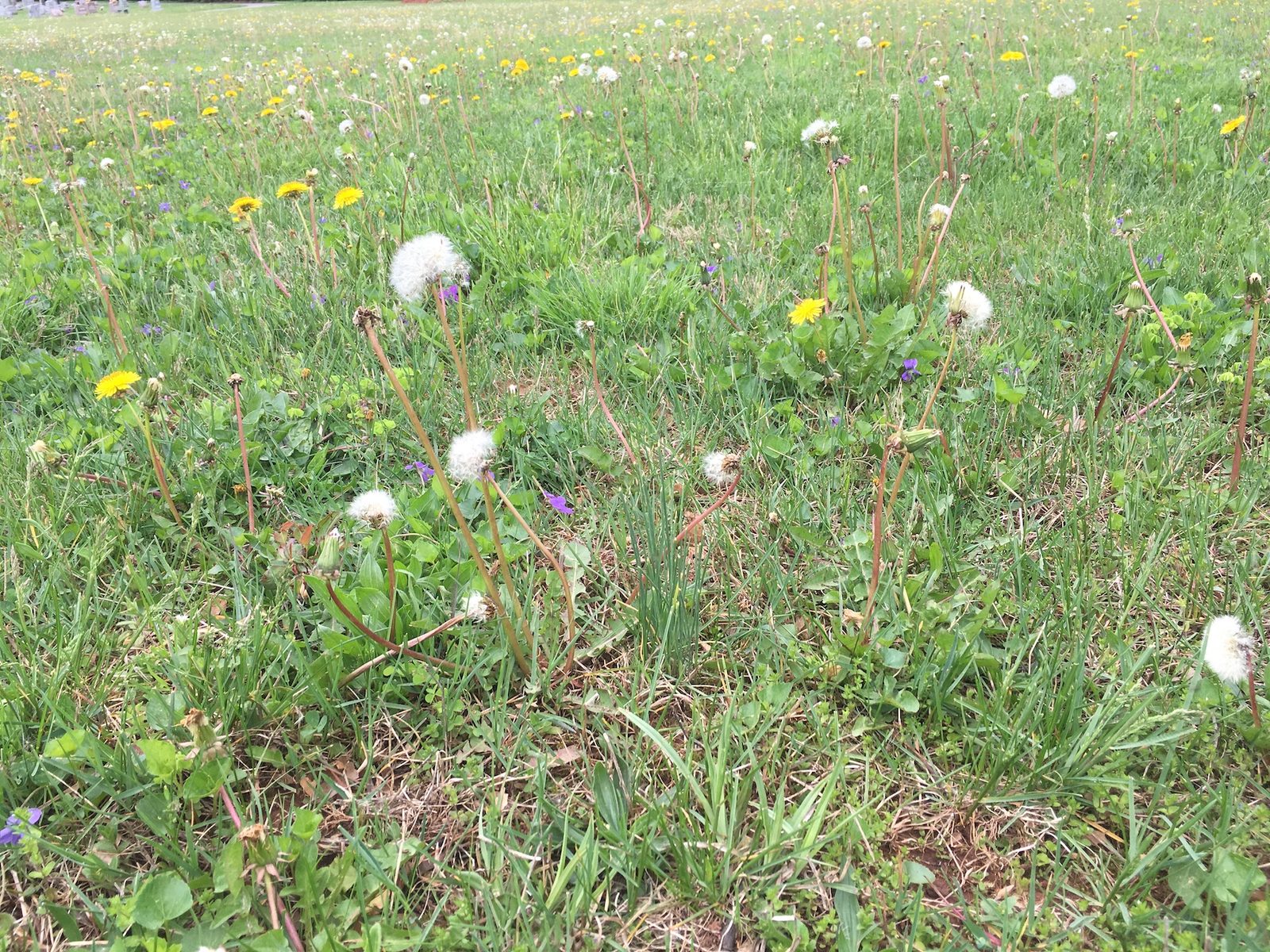
Everyone likes the idea of natural weed control, and most of the popular methods have real limits that nobody mentions until after you have tried them. Here is an honest look at what the homemade and organic options actually do on a lawn, and what reliably reduces weeds instead.
Does homemade weed killer work
Boiling water, vinegar, baking soda, and salt are the usual kitchen cupboard recipes. They do something, and what they do is narrow: they are contact killers that damage the plant tissue they touch.
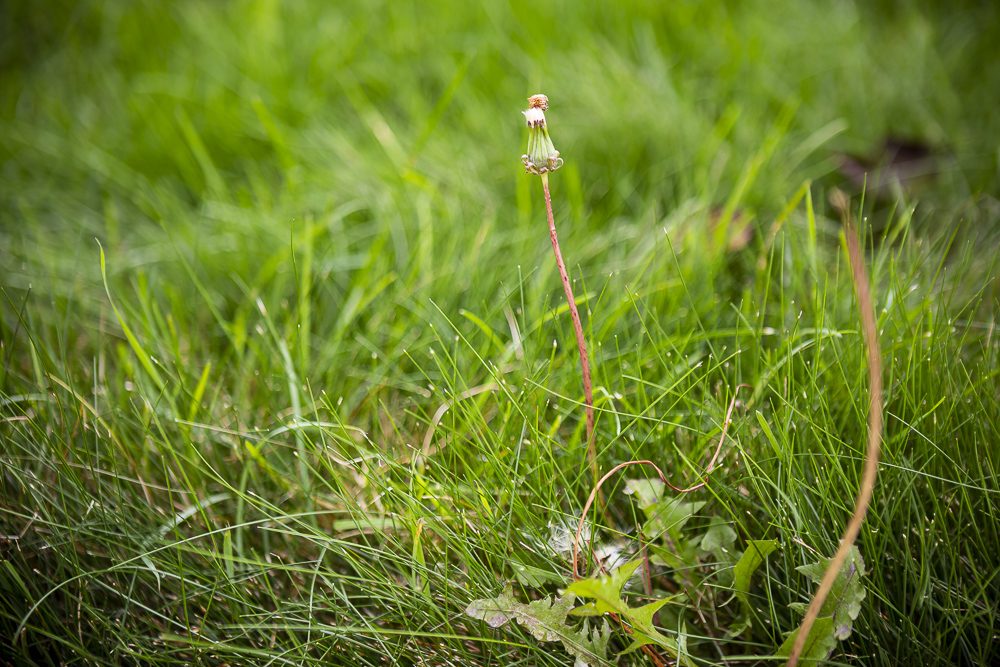
That means the top of the weed shrivels and the root survives. Perennial weeds like dandelion, creeping charlie, and plantain regrow from the root within a couple of weeks, so you are back where you started. Household vinegar at five percent acidity does not have the strength to translocate anywhere.
The other problem is selectivity. These are non-selective, so they damage whatever they land on, including the grass you are trying to keep. Pour boiling water or spray vinegar on a weed in the middle of your lawn and you trade one weed for a dead spot, and a dead spot is open ground for the next weed seed.
Where these do make sense: cracks in a driveway, gaps between pavers, and gravel areas where there is no desirable plant to protect.
What about corn gluten meal
Corn gluten meal is a powdery byproduct of corn milling, originally a hog feed supplement, and it is the most commonly recommended organic pre-emergent. It is worth understanding exactly what it does, because it is often described incorrectly.
It does not prevent seeds from germinating the way a synthetic pre-emergent does. It inhibits root development in seedlings after they germinate, so the seedling comes up and then fails to establish. It has no effect on weeds that have already sprouted and rooted.
The timing is demanding. After application it needs about a quarter inch of water, by rainfall or irrigation, within roughly five days, followed by a dry period of a day or two. Too wet and the seedlings recover; too dry and it never activates.
It also costs more than conventional pre-emergent control and requires much higher application rates, which means hundreds or thousands of pounds of material on an average lawn across several applications. The economics are difficult for a result that is inconsistent.
Organic programs work on a multi-season timeline
A genuinely organic program contains no synthetic weed control, and the results come from gradually improving soil and turf density rather than from killing weeds. That works, but it works slowly, and the growing season in Wisconsin and Minnesota is short enough that it works slower here than it would farther south. Cool-season turf does its real thickening in spring and early fall, with summer as a holding period, so expect to measure progress in seasons rather than weeks, and expect the lawn to look worse before it looks better.
That is a legitimate choice if you know it going in. The problem is when it is sold as equivalent to a conventional program on a conventional timeline.
Check what you are actually buying
Some companies advertise natural weed control. A reasonable question to ask: do they spray for weeds? If the answer is yes, ask what is in the tank. There is currently no organic post-emergent product that matches selective synthetic herbicides for broadleaf control in turf. The organic options available are contact-only and non-selective, which is why they are not used as a blanket lawn treatment.
That is not an argument against organic methods. It is an argument for knowing which one you are paying for.
The most effective natural weed control is a thick lawn
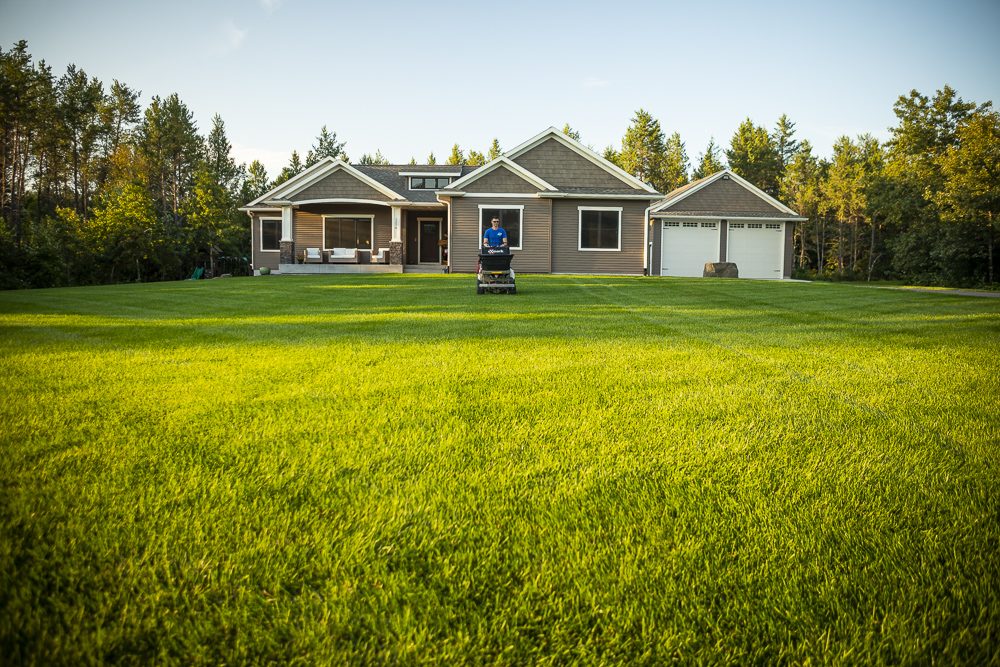
This is the part that genuinely works without chemistry, and it is where the real leverage is. Weeds need open ground, light reaching the soil, and bare spots. Dense turf denies all three.
- Mow tall. Taller grass grows thicker and shades the soil surface. Mowed short, the soil heats up and weed seeds germinate, and the grass has a shallower root system to compete with them.
- Water deeply and less often. A lawn that is chronically too wet or too dry both favor weeds over turf. Deep, infrequent watering builds the root depth that lets grass outcompete.
- Aerate and overseed. Compacted soil keeps roots from taking up water and nutrients, which thins the turf and opens the door. Core aeration pulls plugs so air and water reach the roots, and overseeding into those holes puts new grass exactly where the seedbed is best. Once or twice a year on most lawns.
- Feed on a schedule. Underfed turf thins, and thin turf is where weeds establish. Several of the most common lawn weed problems trace back to nutrition rather than to the weeds themselves.
What we do and do not offer
We like the idea of fully natural weed control, and we do not offer it, because it does not deliver the results our customers expect. What we do instead is avoid unnecessary application. We do not blanket a lawn with weed control material it does not need. Often the right answer is a targeted spot treatment on the problem area rather than a whole-lawn application.
Some weeds are stubborn enough to need a specialty product applied more than once in a season. Knowing which weed you have determines the product, the timing, and whether the lawn needs treatment at all. That diagnosis is most of the value in a lawn care program, and it is also what keeps the total amount of material applied to your property as low as it can be.
Bottom line
- Vinegar, boiling water, salt, and baking soda are contact killers. They damage top growth, not roots, and they are non-selective.
- Corn gluten meal inhibits root development in seedlings after germination. It does nothing to established weeds and the water timing is demanding.
- Organic programs work on a multi-season timeline, not a multi-week one.
- There is no organic post-emergent that matches selective herbicides for broadleaf control in turf.
- The most reliable natural weed control is turf density: mow tall, water deeply, aerate and overseed, and feed consistently.
Frequently asked questions
Will vinegar kill lawn weeds permanently?
No. It burns the foliage it contacts and leaves the root intact, so perennial weeds regrow. It also damages grass it lands on, which creates the bare soil the next weed will use. Save it for driveway cracks and paver gaps.
Is corn gluten meal worth trying?
It can suppress some seedlings if the timing and watering line up, but it requires very high application rates, costs more than conventional pre-emergent, and does nothing to weeds that are already growing.
Can a lawn be weed free without any herbicide?
Weed pressure can be reduced substantially through mowing height, watering practice, aeration, overseeding, and fertility. Expect reduction rather than elimination, and expect it to take several seasons.
Does mowing shorter help control weeds?
It does the opposite. Short mowing heats the soil surface, which encourages weed seed germination, and it leaves the grass with a shallower root system to compete with.


