


Lawn Mowing Tips for Healthy Grass in Minnesota & Wisconsin
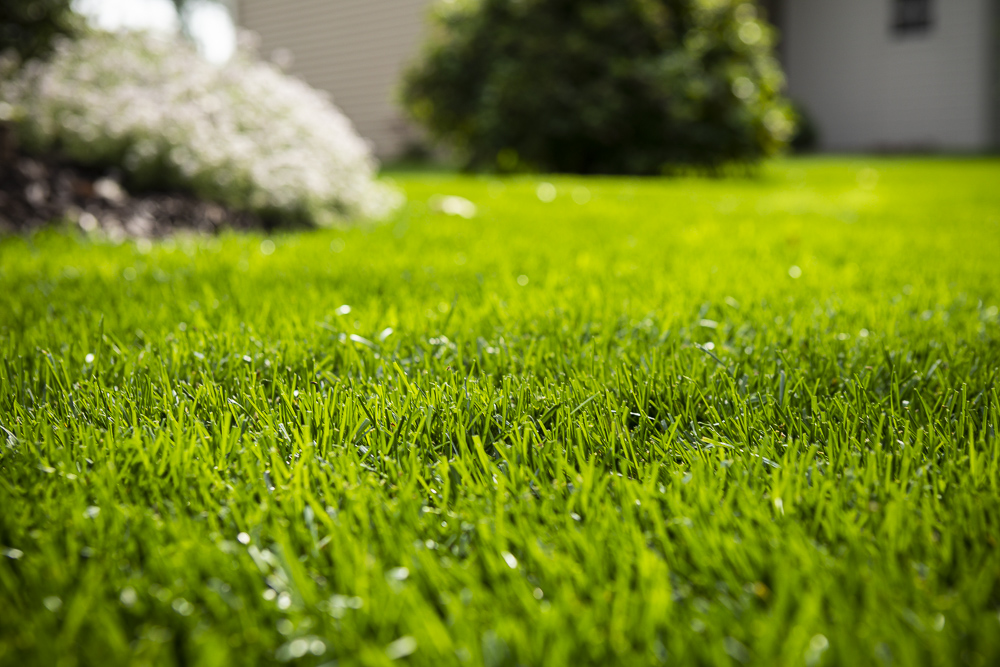
Mowing is the lawn task people do most often and think about least. How high you cut, how sharp the blade is, and when you mow relative to a treatment all change the result more than most of the products you could buy. Here is what matters.
Should I mow before or after a lawn treatment?
The rule is easy to remember: do not mow in the 24 hours before a lawn treatment or in the 24 hours after it.
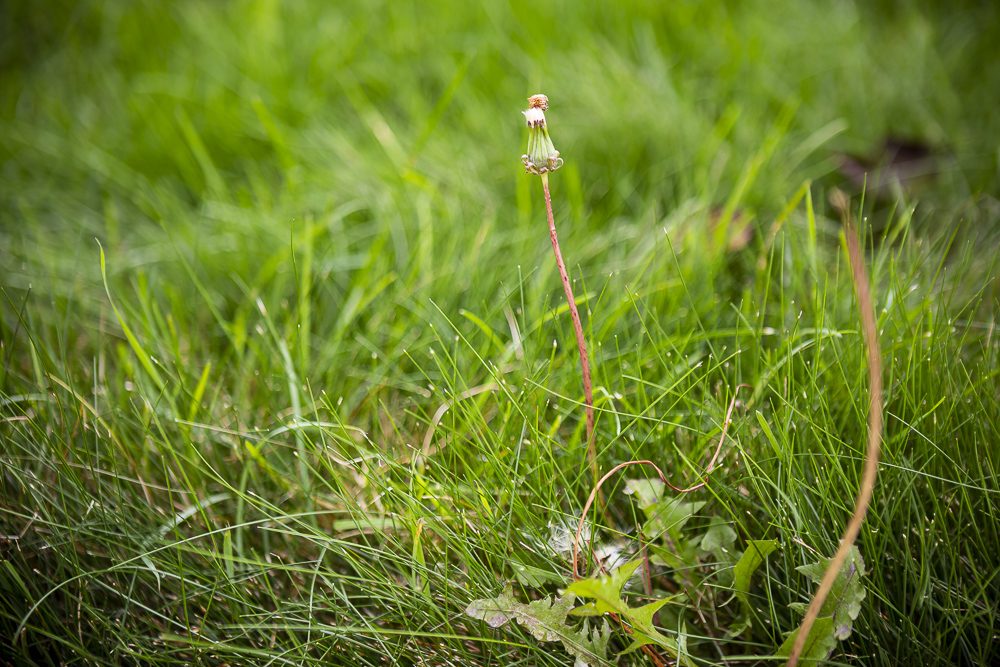
Both halves have a reason. Before the application, you want as much weed leaf surface as possible available to catch the product. Mowing first removes exactly the leaf tissue the treatment needs to land on, and a freshly mowed dandelion is a much smaller target than an unmowed one.
After the application, the plant needs time to absorb the product and move it through its system down into the root. Mow it off a few hours later and you have removed the treated tissue before translocation happened. The weed survives and you paid for nothing.
The same rule applies to fertilizer. Can you mow and fertilize on the same day? No. Give it the same 24 hours on either side.
Prep your mower before the season
Before the Midwest mowing season starts in May, get the machine ready: sharpen or replace the blade, air up the tires, and change the oil per the manufacturer's schedule, which for most residential mowers is once a season or by hours of use.
Then keep checking during the season. Check the oil level and the air filter monthly, and sharpen the blade again partway through the year. A blade used through a full Upper Midwest season on a typical lot generally needs sharpening a couple of times, sooner if you hit sand, sticks, or a sprinkler head.
Blade sharpness is not a detail. A dull blade rips the top off the grass plant and leaves a jagged, shredded edge. Torn tissue heals slowly and is an open entry point for disease, and it is why a lawn can look faintly tan or whitish the day after mowing. A sharp blade makes a clean cut, which heals faster and lets the plant put energy into growing thicker.
How tall should you mow?
The governing rule is proportional, not absolute: remove no more than one third of the current grass height in a single mowing. Grass should be 3 to 4 inches tall after you mow.
Raise the deck as summer progresses. Aim for about 3 inches in June, and 3.5 to 4 inches in July and August when heat and drought stress peak.
Mowing too short genuinely hurts the lawn. Cutting removes leaf surface, and leaf surface is where photosynthesis happens. Take off too much and you are starving the plant while asking it to recover. Short turf also has a shallower root system and exposes the soil surface to sun, which heats the soil and gives weed seeds, crabgrass especially, the conditions they need to germinate. Taller grass grows thicker, stays greener, and shades its own soil.
Resist the urge to scalp the lawn for winter. There is no benefit to it, and cutting shorter than about 2.5 inches just stresses the plant going into the hardest season of the year. Keep the final cut of the season at or just above that, and make sure leaves are cleared so nothing mats down under snow.
Should you bag your grass clippings?
No. Skip the bags.
Clippings are mostly water and nitrogen. Left on the lawn they fall to the soil surface, break down, and return nutrients as a natural feeding. You already paid for that nitrogen in your fertilizer; bagging it means buying it twice.
Clippings also do not cause thatch, which is the most persistent misconception in lawn care. Thatch is built from stems, crowns, and roots, not leaf tissue, and leaf clippings decompose too fast to accumulate.
The exceptions are narrow: bag when the grass got too long and the clippings come off in wet clumps that will smother the turf underneath, or when the lawn has an active fungal disease you do not want distributed across the yard.
Hot? Rainy? When not to mow
Two conditions to avoid.
Extreme heat. Mowing in the heat of the day on a stressed lawn compounds the stress. In July and August, mow in the evening or early morning and skip a week if the lawn has stopped growing because it is dormant. Cutting dormant grass does nothing but damage it.
Wet grass. Mowing wet turf makes it more susceptible to disease, because you are moving fungal material around the yard on the deck and tires and wounding wet leaf tissue. The cut quality is worse too: wet blades bend away from the mower rather than standing to be cut, clippings clog the deck and come out in clumps, and the result is uneven. Wet grass is also slippery, which matters on a slope.
Dew counts. Waiting until mid morning for the canopy to dry is a real improvement over mowing at 7 a.m.
Change your mowing pattern
Grass leans in the direction you mow, and it leans more the longer you mow the same way. Over a season that produces turf growing at an angle, which looks striped and mows unevenly because the blade catches leaning blades inconsistently.
Change direction every time you mow. Alternate between two diagonals and the two straight directions across the yard. Grass grows straighter up, the cut is more even, and you spread the wheel traffic around rather than compacting the same lines week after week. That last part matters more than the appearance.
The rest of the plan
Mowing correctly does a lot and cannot do everything. A proactive lawn care plan covers the rest: timed fertilizer, weed control applied when the target weeds are vulnerable, aeration and overseeding in the fall window, grub control, and a watering schedule that is deep, infrequent, and early in the morning.
Bottom line
- Do not mow in the 24 hours before or after a lawn treatment, fertilizer included; the product needs leaf surface to land on and time to absorb.
- Remove no more than a third of the blade; keep the lawn 3 to 4 inches tall, about 3 inches in June and 3.5 to 4 inches in July and August.
- Do not scalp for winter. Below about 2.5 inches just stresses the lawn going into the hardest season.
- Leave clippings on the lawn. They return nitrogen and do not cause thatch.
- Avoid mowing in extreme heat or on wet grass, and change mowing direction every time to keep grass growing straight up.
Frequently asked questions
How long should I wait to mow after a lawn treatment?
At least 24 hours. The plant needs that time to absorb the product and move it down into the root system. Mowing sooner removes the treated tissue before it has done anything.
Can I mow and fertilize on the same day?
No. Use the same 24 hour buffer on either side of the application.
How often should I sharpen my mower blade?
Sharpen before the season starts and again partway through. Most residential lots need it a couple of times a season, sooner if you have hit sand, sticks, or a sprinkler head.
Should I cut my grass short before winter?
No. Keep the final cut at or just above 2.5 inches. Scalping stresses the plant with no benefit. Do clear leaves so nothing mats down under snow cover.
University of Minnesota Extension, Fertilizing Lawns.
University of Wisconsin Division of Extension, Lawn care and turf management guidance.


