


Mosquito Facts & Myths Every MN & WI Homeowner Should Know
Plenty of what people believe about mosquitoes is wrong, and some of the wrong beliefs cost money. Bug zappers are the obvious example. Here is what is actually true about how mosquitoes behave, and how each fact translates into something useful for a Minnesota or Wisconsin yard.
Three mosquito myths
Myth: all mosquitoes bite
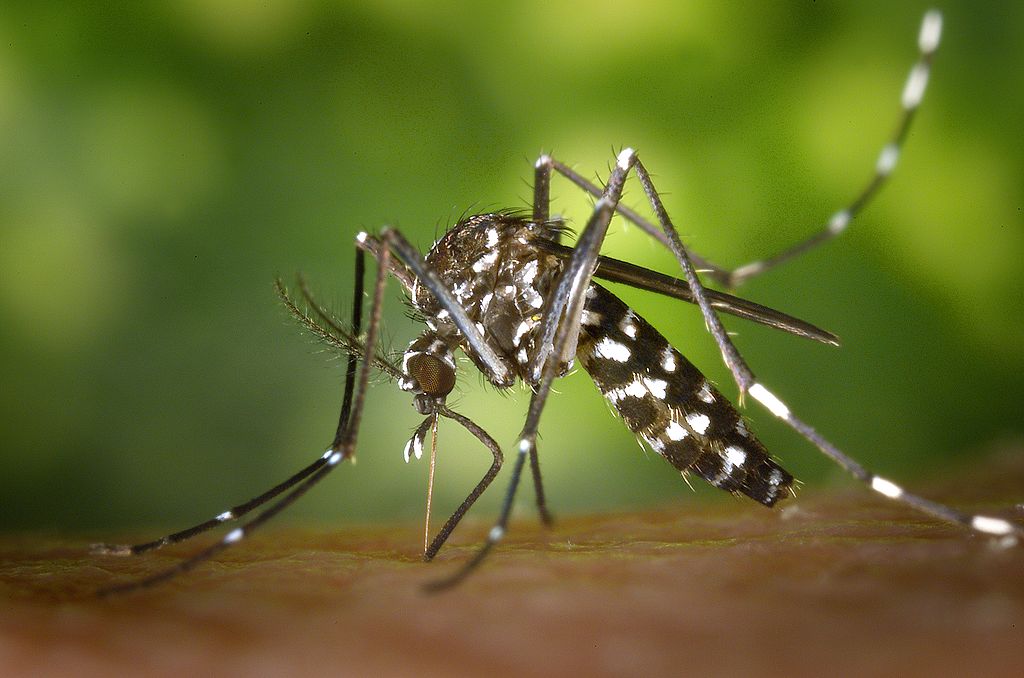
Only females bite. Males feed on nectar and plant juices and never take blood. Females need the protein in blood to develop eggs, and they produce a lot of them. A single female can lay as many as 300 eggs at a time on the surface of standing water, and she may lay three or four times in her life, which works out to as many as 1,200 eggs from one mosquito.

The practical takeaway is that one female finding water in your yard is not a trivial event.
Myth: mosquitoes die after biting
No. You are thinking of honey bees, which lose the stinger and die. A mosquito feeds, digests, and comes back, and can bite several times in one evening. Swatting one that just bit you does nothing about the rest.
Myth: bug zappers attract and kill mosquitoes
Zappers use ultraviolet light, and mosquitoes are not strongly drawn to UV. They locate hosts by carbon dioxide, body heat, moisture, and skin odor. What a zapper actually kills is overwhelmingly moths, beetles, and other harmless or beneficial insects, with mosquitoes making up a small fraction of the catch. A zapper on the patio is a light show, not pest control.
Five mosquito facts you can use
Fact: mosquitoes are weak fliers
This cuts two ways in your favor. It means mosquitoes rest on the vegetation around your yard rather than ranging widely, so treating that vegetation reaches them. It also means a simple patio fan physically keeps them off you. Place fans low and aim them across the seating area at ankle and leg height, where most biting happens.
Fact: mosquitoes find you by your breath
The carbon dioxide you exhale is the long-range signal that brings a mosquito toward you, with heat, moisture, and skin odor guiding the final approach. Holding your breath through a three-hour cookout is not a plan, but moving air with a fan does disperse the plume and makes you harder to locate.
Fact: mosquitoes need shade and moisture to survive the day
Direct sun and dry air kill mosquitoes through water loss, so they stay undercover until dusk. Good news again, because it tells you exactly where they are: under plant leaves, in shaded areas, in damp low spots, under decks, under tree canopies, and in wood piles. You can also reduce that habitat by mowing regularly, clearing clippings, thinning dense shrub bases, and removing leaf litter around the perimeter.
Fact: mosquitoes need water to breed
Very little water. Some species will use as little as a tablespoon. Walk the property and eliminate anything holding it:
- Clogged gutters, the most commonly missed site on a house
- Old tires, buckets, wheelbarrows, empty flower pots
- Tarps, boat covers, and pool covers with sags
- Kids' toys, wagons, sandbox lids
- Birdbaths and pet bowls, dumped and refilled weekly
Larvae develop in about a week in warm weather, so weekly attention is enough to break the cycle.
Fact: mosquitoes reproduce continuously
There is always a fresh generation emerging through the summer. This is the single most important fact for understanding treatment, because it explains why one application in June does not carry you to Labor Day and why control programs run on a three-week interval.
Why mosquitoes are worth taking seriously here
West Nile virus is present in both Wisconsin and Minnesota and is the main mosquito-borne illness of concern in this region. Most infections cause no symptoms or mild ones, but a small percentage become serious, and risk rises with age. That is the reason mosquito control is a health question and not only a comfort question.
Putting the facts to work
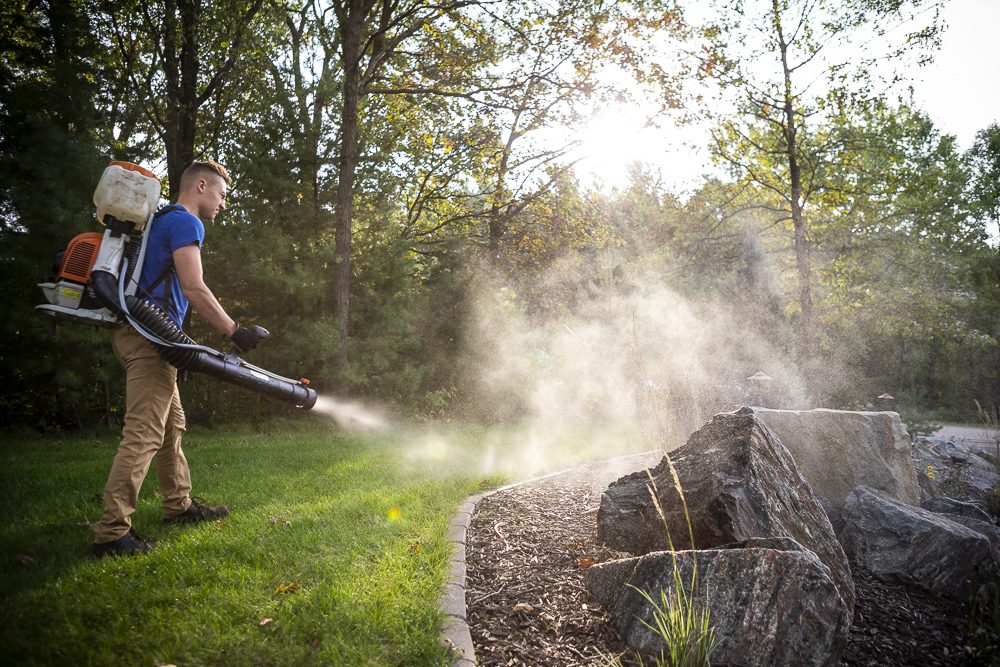
Targeting mosquitoes where they live and breed is the effective strategy, which follows directly from the behavior above. RainMaster's barrier spray reduces mosquitoes on your property all season long with regular visits every three weeks, six visits total from spring through fall.
Technicians treat the perimeter of the yard and the resting sites:
- Undersides of plant leaves
- Shady areas
- Damp areas
- Under decks
- Low tree limbs
- Wood piles
The reduction in biting mosquitoes is immediate once the application dries, and the same treatment reduces ticks, which share that habitat. No mosquito control program offers one hundred percent control, since mosquitoes fly in from surrounding properties and wetlands, but you will see a large reduction in both pests.
The service starts at $579 for a season, based on the size of your yard, with applications every three weeks. We serve the areas around Eau Claire, Wisconsin and Minneapolis, Minnesota; see service areas and mosquito and tick control.
Bottom line
- Only female mosquitoes bite, and one female can produce as many as 1,200 eggs across her life.
- Mosquitoes do not die after biting, and bug zappers kill mostly beneficial insects, not mosquitoes.
- Mosquitoes track carbon dioxide, heat, and skin odor, which is why a patio fan both blocks them and scrambles the signal.
- Standing water as small as a tablespoon breeds mosquitoes, and larvae develop in about a week in warm weather.
- Mosquitoes reproduce continuously all summer, which is why barrier treatment runs on a three-week interval.
Frequently asked questions
Do bug zappers help with mosquitoes?
No. Mosquitoes are drawn to carbon dioxide, heat, and body odor rather than ultraviolet light, and the great majority of insects a zapper kills are harmless or beneficial.
Why do mosquitoes always find me first?
Carbon dioxide from your breath is the long-range cue, and then heat, moisture, and skin chemistry guide them in. Individual differences in body chemistry are real, which is why one person at a cookout gets bitten more.
Does killing the mosquitoes in my yard matter if my neighbor does nothing?
Yes, but with a limit. Mosquitoes are weak fliers and rest close to where they emerged, so reducing the population on your property makes a noticeable difference. Some will still move in from neighboring yards and wetlands, which is why no program claims total control.
How small an amount of water can breed mosquitoes?
As little as a tablespoon for some species. That is why gutters, tarp sags, bottle caps, and forgotten buckets matter more than a pond, which usually has fish and moving water.
University of Minnesota Extension, Yard and garden insect resources.
Wisconsin Department of Natural Resources, Public health and outdoor resources.


