


Should I Get a Lawn Soil Test? Soil pH Testing for Eau Claire Lawns

If you are fertilizing on schedule and the lawn still looks tired, soil pH is the first thing to check. pH controls whether the nutrients you are paying for are actually available to the plant, and it is one of the few soil problems that is both cheap to measure and realistic to fix.
What pH means in a soil test
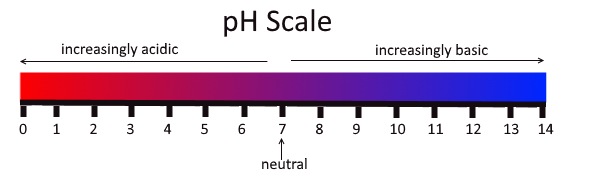
pH is a measure of how acidic or alkaline the soil is, on a scale from 0 to 14. Below 7 is acidic, above 7 is alkaline, and 7 is neutral. The abbreviation stands for potential of hydrogen, because the measurement reflects the concentration of hydrogen ions: more hydrogen ions means more acidic.
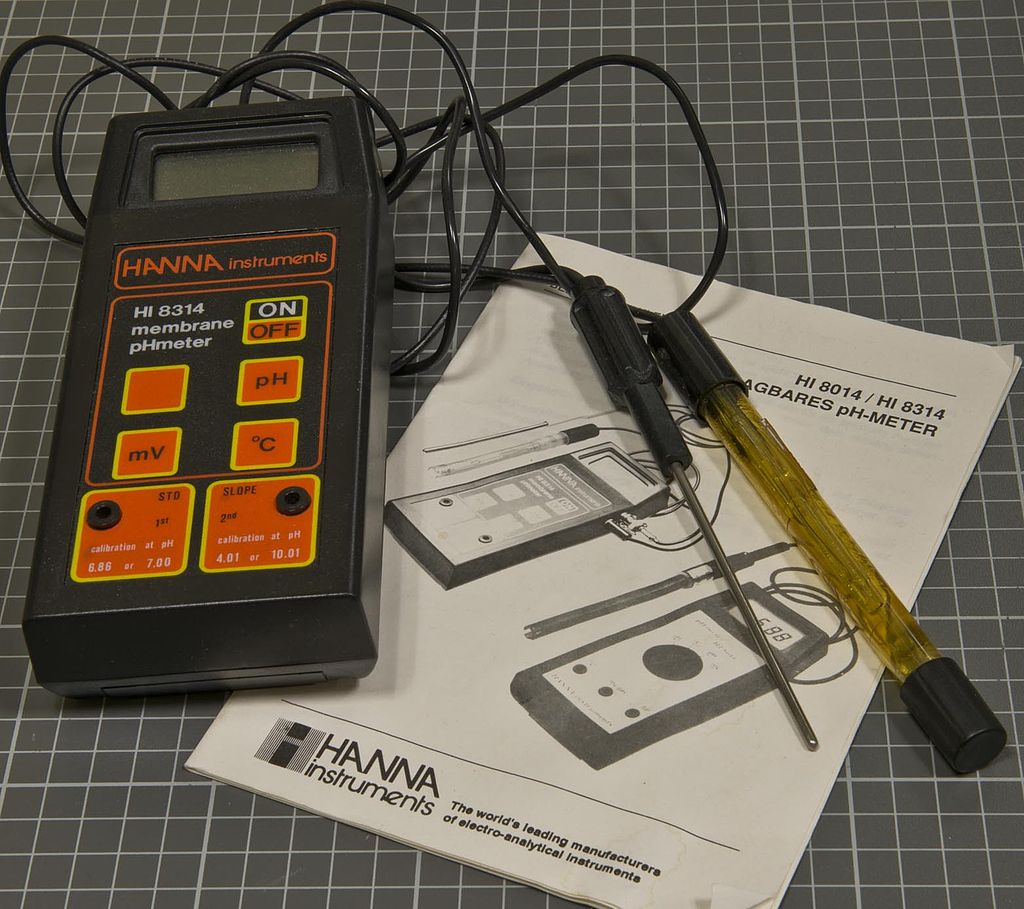
For a lawn, pH can be read directly in the field with a meter probe pushed into the soil, which gives you a number on the spot instead of waiting on a lab.
The range lawns want
Most turf grasses do their best between about 6.0 and 7.0. That range matters because pH governs nutrient availability. Outside it, nitrogen, phosphorus, potassium, and several micronutrients become chemically tied up in the soil and unavailable to roots even though they are physically present.
That is the practical consequence: on a lawn with pH well out of range, fertilizer can go down on schedule and still deliver a fraction of its value. Correcting pH is what unlocks it.
How to correct soil pH, and one common error to avoid
Acidic soil is corrected with lime, a ground limestone product containing calcium carbonate and often magnesium carbonate. Those carbonates neutralize acidity and raise pH. Lime acts slowly, over months, and a correction usually holds for several years.
Alkaline soil is a different job, and this is where most of what you read online is wrong. Gypsum does not lower soil pH. Gypsum is calcium sulfate, and it is essentially pH neutral. It supplies calcium and sulfur and it can improve structure in tight or sodium-affected soils, which is useful, but it is not an acidifier. Lowering pH requires elemental sulfur, or in some cases an ammonium-based fertilizer program, applied over time and based on a measured starting point.
We refer to both lime and our pH correction products as balancer, since the goal in either direction is the same: get the soil into the range where the rest of the program works. We include soil pH testing in all three levels of our lawn care programs and include pH balancer in the top two levels.
Soil pH in Eau Claire and the Twin Cities
pH varies not just between cities but between neighboring lawns on the same street, because it depends on parent material, drainage, past landscaping, and years of fertilizer and irrigation. Most of Wisconsin's soils formed in glacial deposits, which is part of why soil types change so abruptly over short distances here.
As a general pattern, lawn soils around Eau Claire tend toward acidic, so lime is the more common need. Soils in the Minneapolis area more often lean alkaline, where the correction runs the other direction. Those are tendencies, not guarantees, which is exactly why you test rather than assume.
How often to test
Every two to three years is enough for most lawns. pH shifts gradually with rainfall, organic matter, and fertilizer inputs, so annual testing rarely changes a decision.
Test more often if you have a problem area you are chasing, if you are correcting a known deficiency and want to confirm progress, or if you have made a significant change to the soil, such as bringing in topsoil for a landscaping project.
Which plants want something different
Most lawn grasses want 6.0 to 7.0, but several landscape plants want more acidity: blueberries, azaleas, rhododendrons, hollies, and bleeding heart among them. Others do better at 7.0 or above, including lilac, forsythia, and clematis. Knowing your soil pH tells you what will thrive in the beds as well as what the turf needs, which saves money on plants that were never going to succeed in that spot.
Why a full soil analysis usually is not worth it
Beyond a pH reading, a comprehensive soil analysis means pulling samples and sending them to a lab for a report on nutrient levels and composition. University extension offices run this service, and mail-in kits exist as well. Some home kits report light exposure, pH, and moisture, while lab tests report nitrogen, phosphorus, potassium, organic matter, and texture.
For most homeowners, that report does not change what happens next, for three reasons:
- The recommended fix is often not something people will do. If the report says your soil is largely sand, the real remedy is excavating and replacing soil, and almost nobody does that for a lawn.
- Nitrogen readings are a snapshot with a short shelf life. Nitrogen is mobile and is being consumed by the plant continuously, so a nitrogen number from two weeks ago is of limited use for scheduling fertilizer.
- The actionable finding is usually pH anyway. If the lab is going to tell you the soil needs lime, you can get that answer in the field in minutes.
There are exceptions. A lawn with a persistent problem that normal diagnosis cannot explain sometimes justifies lab work, including disease identification. And phosphorus and potassium levels do move slowly enough that a lab test is meaningful if you are planning a renovation. But for routine lawn management, pH is the test that earns its keep.
What pH correction does for the rest of the program
Fertilizer is the lawn's food, and quality matters: we use professional-grade granular formulations, which cost more than the liquid products common in this industry and release slowly for steadier results. None of that performs to its potential in soil with the wrong pH. Correct the pH first, and every application after it does more work. That sequence, test, correct, then feed, is the difference between a program that shows results and one that just keeps applying product.
Bottom line
- Most lawn grasses need soil pH between 6.0 and 7.0 for nutrients to be available to roots.
- Lime raises pH. Gypsum does not lower it: gypsum is pH neutral and supplies calcium and sulfur. Elemental sulfur is what lowers pH.
- Eau Claire lawn soils tend acidic, Twin Cities soils more often alkaline, but test rather than assume.
- Test pH every two to three years, or more often when correcting a problem or adding soil.
- A full lab soil analysis rarely changes what a homeowner does, while a pH reading does.
Frequently asked questions
Does gypsum lower soil pH?
No. Gypsum is calcium sulfate and is close to pH neutral. It can improve structure in tight or sodium-affected soils and supplies calcium and sulfur, but it will not acidify soil. To lower pH you need elemental sulfur applied based on a measured starting pH.
How long does lime take to work?
Months, not weeks. Finely ground lime reacts faster than coarse material, and incorporating it or applying after core aeration helps. A correction generally holds for several years before pH drifts back.
Can I test soil pH myself?
Yes. Inexpensive probe meters and home kits give a usable reading, and a university extension lab gives a more precise one. The thing to get right is sampling: take several small samples from different parts of the lawn rather than one reading from one spot.
Will fixing pH alone green up my lawn?
Not by itself. Correcting pH makes the nutrients in your fertilizer available. You still need the fertilizer, reasonable mowing height, and correct watering. What pH correction does is stop you from wasting the rest of the program.
University of Wisconsin Division of Extension, Lawn fertilization.
University of Minnesota Extension, Fertilizing lawns.


