


How to Repair Your Lawn: Tips From Lawn Care Experts in Eau Claire, WI

Lawn repair is diagnosis before treatment. Bare patches, winter scraping, a weed takeover, and a lawn that never quite greens up all look like the same problem from the driveway and need completely different work. Here is how to tell which one you have.
1. Patchy and bare spots
Every lawn develops a few. Proper seeding fixes most of them, and the technique matters more than the product.
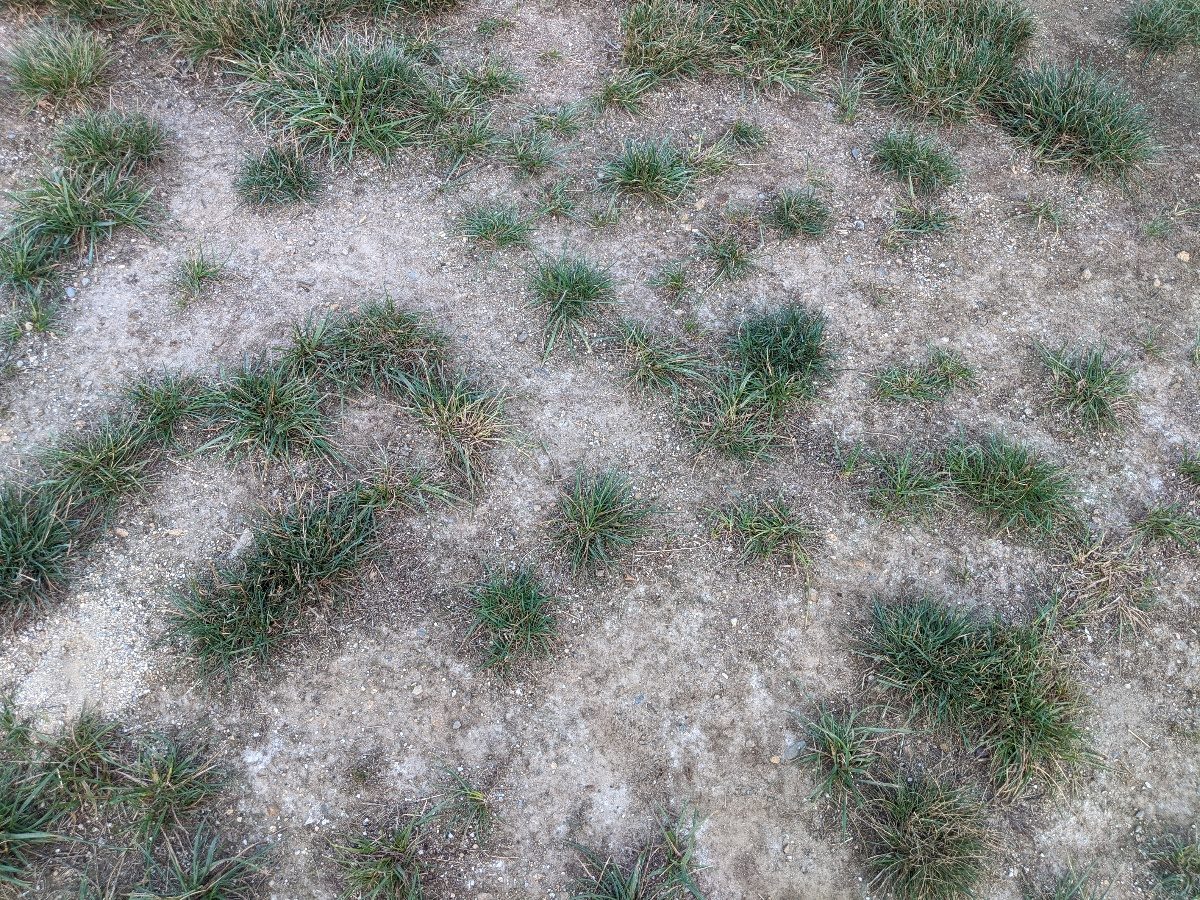
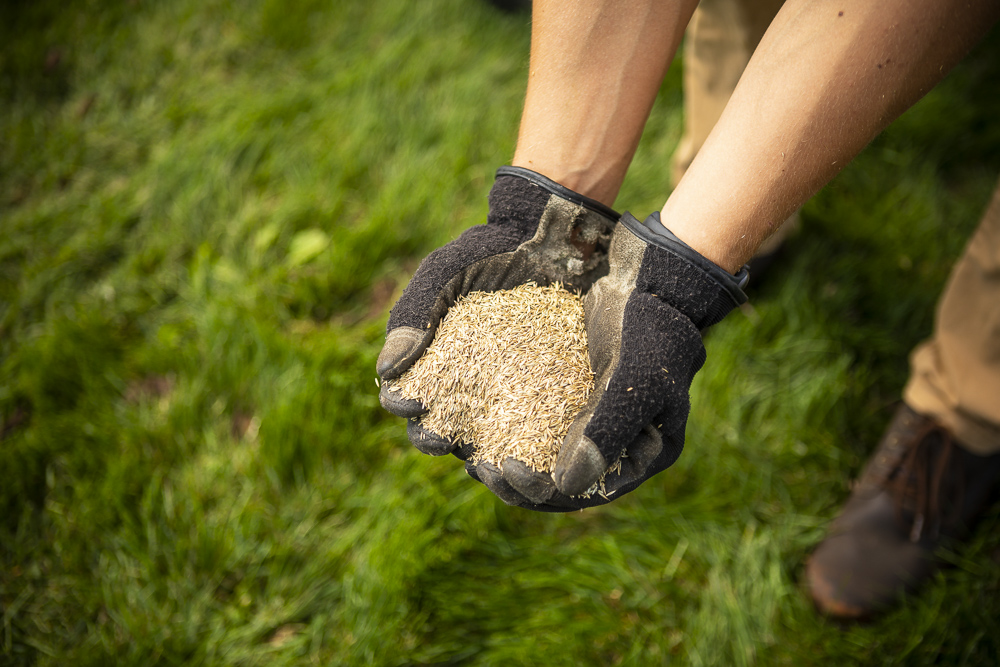
Rake out the dead and matted turf first, down to bare soil, because seed needs firm contact with soil to take up water and root. Loosen the top layer. Spread seed, scratch it in, and tamp it down until you can feel the contact. Add a starter fertilizer, which carries phosphorus and a portion of quick-release nitrogen that new roots need immediate access to. Then keep it consistently moist with light, frequent watering, which is the opposite of your approach for mature turf.
Be patient with the timeline. New grass appears in a few weeks, and the stand takes up to a year to fully mature.
On seed quality: this is the one place not to economize. Bargain bags commonly contain weed seed and undesirable grasses, so you are planting next year's problem into this year's repair. Match the blend to the site, with more fine fescue in shade and more Kentucky bluegrass in sun.
2. Winter and salt damage
Spring is when you find out what the plow and the ice melt did. The two look similar and repair differently.
Salt damage shows as brown, brittle grass in uneven patches along walks and drives, stopping at a consistent distance from the pavement. Where salt killed the turf it does not come back. Water the area thoroughly first to leach chloride down out of the root zone, then rake out the dead grass and reseed.
Plow damage depends on severity. If the blade only disturbed the surface and crowns and roots are intact, the turf usually recovers on its own with water and time. Where sections of sod were scraped off, reseed.
3. A lawn that looks dead
A whole lawn is rarely actually dead. Drought, disease, or a hard winter can kill areas, which is what you are usually looking at.
Here is the field test. Grab a couple of clumps of grass and tug. If it pulls up with no root resistance, those plants are dead. A dormant lawn still has an intact root system and resists the pull.
If it is not dead but looks bad, the cause is often that it cannot breathe. Compacted soil holds little air, roots cannot take up water or nutrients, and the turf weakens, which opens the door to disease and weeds. Core aeration pulls plugs of soil out to create channels for air and water, which leads to deeper roots. It also helps thatch break down by mixing soil and its microbes into the layer. Follow it with overseeding, since the holes make an excellent seedbed.
4. A lawn full of weeds
First question: which weeds? There is no single product that controls all of them, and the plan differs by species.
Crabgrass is the main grassy offender, a summer annual that spreads fast and outcompetes turf for water and nitrogen. Timing is everything: pre-emergent has to be down before soil temperatures hold around 55 degrees, which in Eau Claire usually means mid-April to early May. Waiting until you see it means post-emergent work on an established plant.
Dandelion we treat with a specialty weed shield product designed to reduce how many emerge, with broadleaf herbicide available for escapes. Fall is the strongest window for dandelions and most other broadleaf perennials, since the plants are moving resources into their roots and carry systemic herbicide with them.
Creeping Charlie resists many common broadleaf products, so it takes a specialty liquid across multiple applications, with fall being most effective. Professional-grade material matters here. Standard store products generally do not finish this one.
5. Soil pH
Worth testing regardless of what else is wrong. pH controls nutrient availability: outside roughly 6.0 to 7.0, nitrogen, phosphorus, potassium, and several micronutrients get chemically tied up in the soil and the grass cannot use them even though they are present. A lawn fertilized on schedule into out-of-range soil wastes most of the application.
pH is measured from 0 to 14, with 7 neutral, below 7 acidic, and above 7 alkaline. Correct acidic soil with lime, which raises pH over several months. To lower pH you need elemental sulfur. Gypsum is often recommended for this and should not be: gypsum is calcium sulfate and is essentially pH neutral, useful for supplying calcium and improving structure but not for acidifying soil. Lawn soils around Eau Claire tend acidic, so lime is the more common need here.
6. Fertility
A hungry lawn cannot recover from anything. A real feeding program is the baseline under every other repair.
Use granular fertilizer. It costs more than the liquid products common in this industry and it breaks down slowly, which spreads the benefit over weeks instead of days and carries far less burn risk if the rate is slightly off. Blends with organic nutrients also build soil over time. Plan the first application by Memorial Day and three or so more across the season, including a fall feeding, which is the one most people skip and the one that builds the root reserves behind next spring's early green.
7. When the soil itself is the problem
Soil is where the whole thing starts. Healthy soil holds water, holds nutrients, and supports the earthworms, fungi, and microbes that cycle organic matter into plant-available form.
Sandy soil is common around Eau Claire, and it is a real constraint: water and nutrients move through it quickly, so the lawn dries out faster and needs more frequent feeding at lower rates.
You can improve it. Topdress with compost after aeration, which puts organic matter and soil organisms right where they are needed. Leave your grass clippings rather than bagging them, since they decompose quickly and return nitrogen. Over several seasons that raises organic matter and water-holding capacity measurably.
If the soil profile is essentially all sand with no structure and those measures are not moving the needle, bringing in quality topsoil during a renovation is the remaining option, and that is landscaping work rather than lawn care. Most lawns do not need it. What most lawns need is aeration, correct pH, consistent feeding, and a lawn care program that keeps the repair from being necessary again next year.
Bottom line
- Diagnose first. Patchy turf, winter scraping, weed takeover, and poor color each need different work.
- Tug test for dead versus dormant: dead grass pulls up with no root resistance.
- Seed needs bare soil contact. Rake out dead material, loosen soil, scratch the seed in, and tamp it.
- Lime raises pH. Elemental sulfur lowers it. Gypsum is pH neutral and will not acidify soil.
- Sandy Eau Claire soils benefit most from compost topdressing after aeration and from returning clippings.
Frequently asked questions
How can I tell if my grass is dead or dormant?
Tug a clump. Dormant grass holds firm because the root system is intact. Dead grass pulls up with no resistance. Check several spots, since a lawn is often a mix of both.
How long does a lawn repair take to look right?
New seed germinates in roughly one to four weeks depending on the species, with visible fill within a month or two. A seeded area takes up to a year to mature into turf that matches the rest of the lawn.
Should I fix my lawn in spring or fall?
Fall is stronger in this climate, late August through mid September, because soil is still warm while air has cooled and fall moisture is more reliable. Spring works for small patches, but it competes with crabgrass germination and rules out pre-emergent in those areas.
Do I need new topsoil?
Rarely. Compost topdressing after aeration, returning clippings, correcting pH, and consistent feeding improve most soils over a few seasons. Replacing soil is a renovation-scale project worth considering only when the profile has essentially no structure.
University of Wisconsin Division of Extension, Lawn establishment and renovation.
University of Minnesota Extension, Seeding and sodding home lawns.


