


Lawn Renovation: Will Aeration & Overseeding Work or do I Need to Start Over
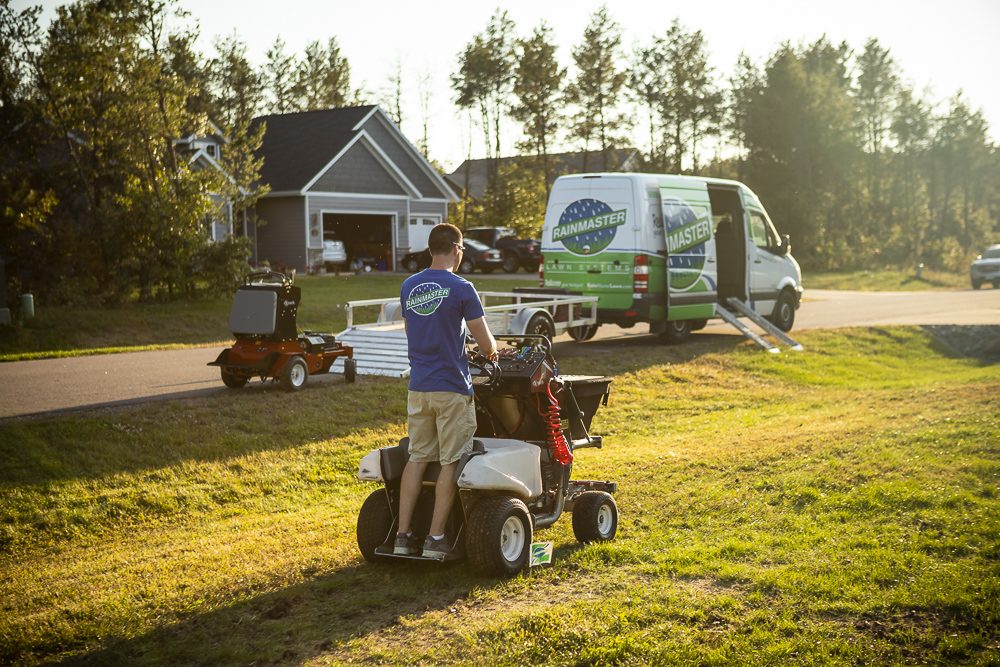
Aeration and overseeding recovers a lot of lawns that homeowners have written off, and it will not fix every one. The deciding factor is whether something is actively preventing grass from growing there. Here is how to tell which situation you are in.
What aeration and overseeding actually do
When soil compacts, the pore space between particles closes up and roots cannot take in water or nutrients. The turf weakens, and disease and weeds move into the opening. That is the cause behind a large share of thin lawns, and it is invisible from above.
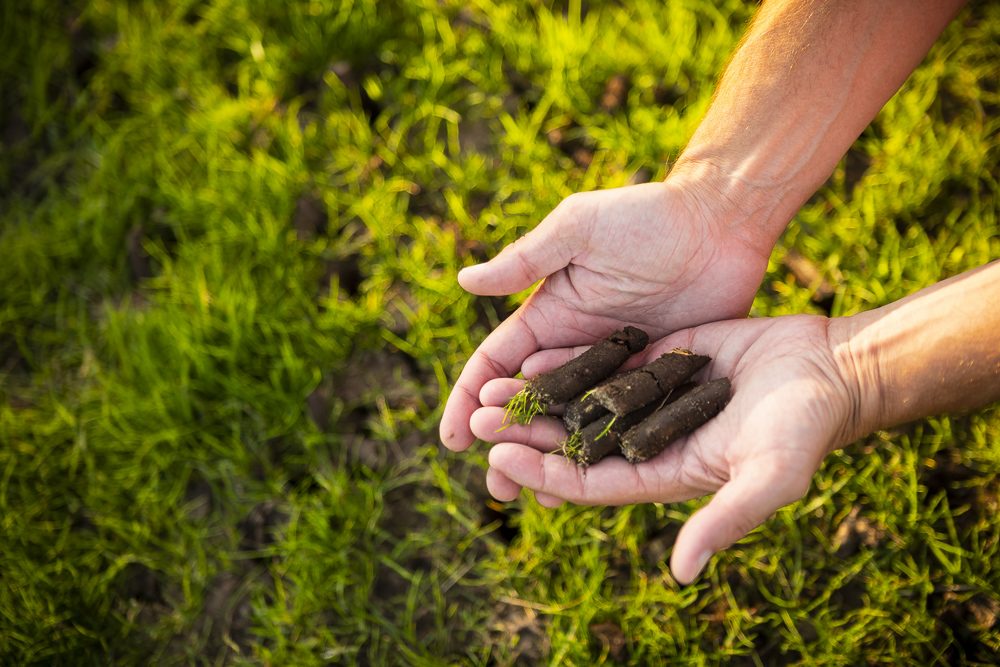
Core aeration pulls plugs of soil out, creating channels for air and water to reach the root zone. Deeper, healthier roots support thicker top growth that resists pests and disease and holds up better through summer heat and drought. Aeration also helps break down thatch, the layer of dead stems and roots between the green blades and the soil.
Overseeding follows naturally, because the holes left by aeration are the best seedbeds available on an established lawn: soil contact, protection from wind, and shade from the surrounding grass.
How to tell if it will be enough
The useful question is not how bad the lawn looks. It is how long it has looked that way.
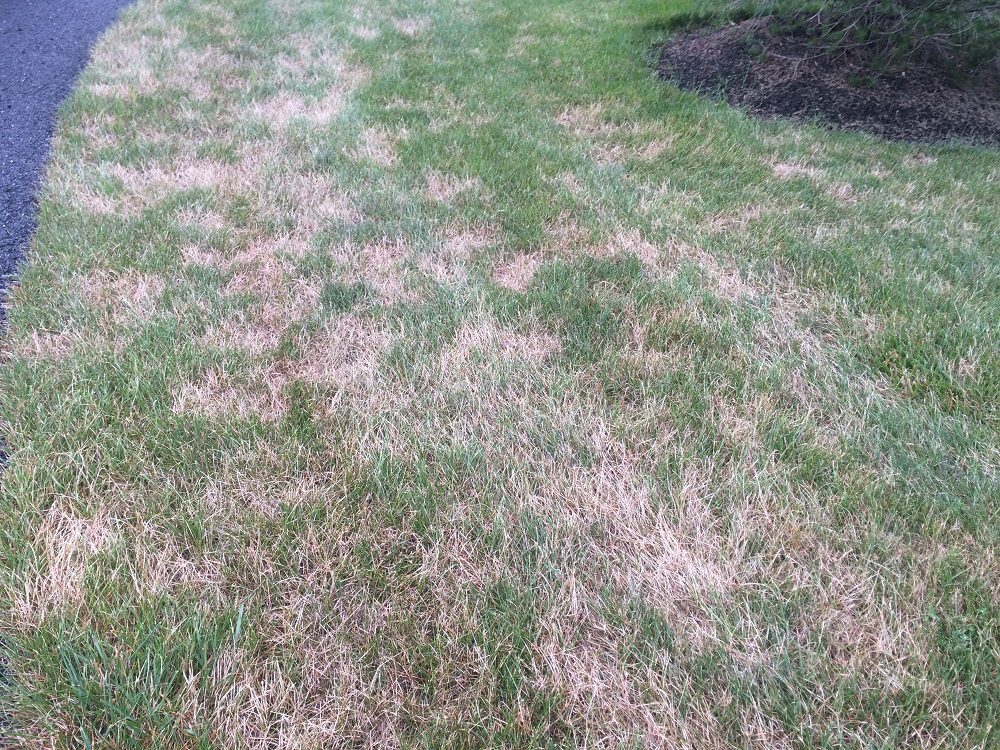
If the lawn is thin, or has bare patches from traffic, pets, or the salt and plow damage that turns up along the street every spring in Eau Claire and the Twin Cities, aeration and overseeding is usually enough. If you have been trying to grow grass in the same area for years without success, something is actively stopping it, and seed alone will fail again.
The usual causes:
- Too much shade. Grass needs sunlight, and no amount of seed substitutes for it. The options are thinning tree canopy to let more light through, shifting to shade-tolerant fine fescues, or converting the area to groundcover, beds, or mulch.
- Soil that stays too wet. Either the lawn is being overwatered or there is a drainage problem. Grass roots will not develop in saturated soil, and the fix is drainage or irrigation scheduling, not seed.
- Soil pH out of range. If you fertilize and nothing changes, pH is the first suspect. Outside roughly 6.0 to 7.0 the nutrients are present but chemically unavailable, so the lawn stays hungry regardless of what you apply. A soil test answers this, and the right amendment corrects it.
- Genuinely poor soil. Very sandy or heavily disturbed construction soil may need material brought in. That is a landscaping project, and it is worth quoting as one.
- Active disease. A root disease like necrotic ring spot will kill new seedlings the same way it killed what was there. It needs treatment and correction of the conditions driving it before seeding makes sense.
Starting over with a full renovation also makes sense when the lawn is dominated by grassy weeds, since those are difficult to remove selectively without killing the desirable grass along with them.
Healthy lawns benefit too
Aeration is not only for struggling lawns. Compaction accumulates on every lawn, and relieving it annually is maintenance rather than repair. That is why aeration is included in our top two program tiers.
Seed is more situational. A thick, healthy lawn may not need overseeding every year. Thin spots, or signs of disease, are the indication that fresh seed will do some good.
There is one more reason to introduce new seed periodically regardless of condition. Improved cultivars are released continually, with better resistance to drought, insects, and disease than what was available when your lawn was planted. Overseeding is how that genetic improvement gets into an existing lawn without tearing it out.
What happens after
New grass appears within a few weeks. The real result takes longer, somewhere from a few months to a full year, as the new plants mature and the stand thickens. What you end up with is denser turf that resists disease better and holds moisture longer.
Do not forget weeds. Thin areas are where weeds establish, and a freshly seeded lawn has openings. In most cases weed control can be applied about five to six weeks after the new grass germinates. The practical rule of thumb: if you have mowed the new grass two or three times, it is usually mature enough to treat. Ask before applying anything if you are unsure, because a herbicide on seedling turf can undo the whole project.
Watering new seed is the opposite of normal
This is where most DIY overseeding fails. Established lawns want deep, infrequent watering. New seed wants the opposite: frequent, short cycles.
Plan on watering three to four times a day for about ten minutes each. The goal is seed that stays consistently moist and never dries out, without the soil being soaked. Seed that dries out once during germination is dead, and no amount of watering afterward brings it back.
If we have access to your irrigation controller, we set it to the correct germination schedule at no extra charge, and switch it back once the new grass is established. That single adjustment is the difference between most of your seed coming up and half of it coming up.
Which one does your lawn need
In a lot of cases aeration and overseeding is the economical answer and it works. When it is not, we will tell you that, including when the right answer is a landscaper doing soil work beyond what we provide.
Either way it is one part of a plan rather than a standalone fix. A lawn care program handles nutrition, weeds, and insects so the new grass has a reason to keep improving, and irrigation handles the watering the seed depends on.
Bottom line
- Thin turf and bare patches usually respond to aeration and overseeding. Years of failure in the same spot means something else is wrong.
- The usual blockers are shade, soil that stays wet, pH out of the 6.0 to 7.0 range, poor soil, and active disease.
- Aeration benefits healthy lawns too, which is why it is annual maintenance rather than repair.
- Wait about five to six weeks, or two to three mowings, before applying weed control to new grass.
- Water new seed three to four times a day for about ten minutes, the opposite of established lawn watering.
Frequently asked questions
Will aeration and overseeding fix a lawn that looks dead?
Often yes, if the problem is compaction and thinning. If grass has failed in the same area for years, identify the cause first, because seed will fail the same way without it.
How soon can I spray weeds after overseeding?
Generally five to six weeks after germination, or after you have mowed the new grass two or three times. Herbicide applied to seedling turf can kill what you just established.
How often should I water after aeration and overseeding?
Three to four short cycles a day, around ten minutes each, until the new grass is established. Keep the seedbed consistently moist but not saturated. Seed that dries out once will not recover.
How long until the lawn actually looks better?
New grass shows in a few weeks. A visibly thicker, healthier stand takes a few months to a year as the new plants mature and fill in.
University of Wisconsin Extension, Lawn aeration.
University of Minnesota Extension, Seeding and sodding home lawns.


