


9 Lawn Care Secrets & Insider Tips for Minneapolis Homeowners

There are a handful of things about lawn care that are common knowledge inside the industry and almost never explained to homeowners. Several of them are the reason a do it yourself program underperforms, and a few are worth asking any company about before you hire. Here is the inside view.
1. Your store bought weed killer is not the same chemistry
If you have been spraying weeds all season and they keep coming back, the product is a likely reason. Licensed applicators have access to materials that are not sold in consumer channels, at concentrations and in combinations that consumer products do not offer.
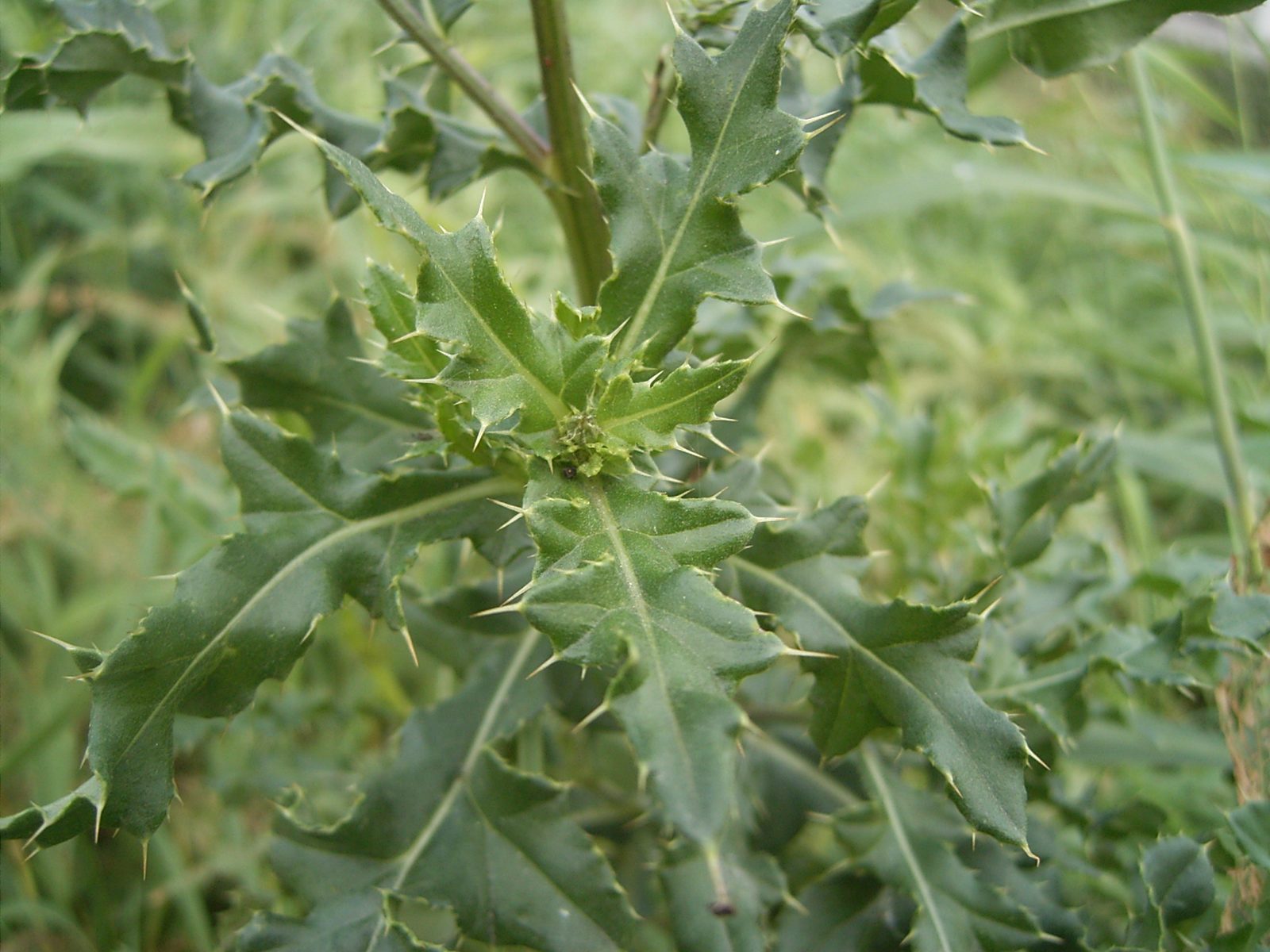

Canada thistle is the clearest example in this region. It is a deep rooted perennial that spreads by underground runners, so killing top growth accomplishes little while the root system stays intact. Professional programs can use materials including 2,4-dichlorophenoxyacetic acid, usually shortened to 2,4-D, often combined with other active ingredients and applied more than once in a season to move enough material into the roots to make progress.
The broader point: tough perennials need professional grade herbicide applied repeatedly, no matter who is doing it.
2. You may be planting weeds without knowing it
Cheap grass seed is the most expensive bargain in the lawn aisle. Bargain bags frequently contain weed seed, which means a Saturday spent planting the problem you will spend next summer fighting.
Every bag carries a label listing varieties, germination rates, and the percentages of inert matter, other crop seed, and weed seed. Read it, and if the weed seed percentage is not near zero, put the bag down. Premium seed costs more because it uses current cultivars and because it is cleaner.
3. Organic lawn care is usually not fully organic
This is the one that most often surprises homeowners. Companies will describe a program as organic based without clarifying that organic based is not organic. A program using an organic based fertilizer alongside synthetic weed control and synthetic fertility is not organic lawn care, and the word gets used loosely across the industry.
Ask which specific applications are organic and which are conventional. You may be fine with the answer, but you should get it rather than inferring it from marketing.
We will be direct about ours. RainMaster customers get an organic based fertilizer. It starts with the benefits of organic matter, which feeds soil biology and improves structure, and it also includes nutrients the lawn needs, like potassium, nitrogen, and iron. Adding those lets the formula be adjusted to what a specific lawn is short on, which is how you get both soil improvement and a measurable response in the grass.
4. Your grub control may be killing bees
Grub products are not interchangeable, and the differences are not on the marketing. Some active ingredients used for grub control are considerably more toxic to pollinators than others, particularly when applied to a lawn with flowering weeds in bloom.
Products chosen to be easier on pollinators cost noticeably more, which is why they are not the default when a program is priced to be the cheapest option in the market. Ours is selected to be easier on bees than the cheaper alternatives, and timing applications to avoid blooming weeds matters too.
Ask what product your program uses. It is a fair question and the answer tells you something about how the rest of the program is built.
5. You can seed and control weeds at the same time
Conventional wisdom says you cannot use weed control on new grass, because the herbicide will take out the seedlings along with the weeds. So you seed, watch weeds outgrow the new grass, and wait.
There are professional materials that do not work that way. We have a product that controls weeds without harming new seedlings, and we can apply it the day we seed. There is no equivalent in the consumer aisle. If you are renovating a weedy area, that single capability is often the difference between a successful seeding and starting over next year.
6. You want liquid weed control and granular fertilizer
These are two different jobs and they want two different formulations, which is why combined weed and feed products compromise both.
Weed control needs to contact the leaf. A liquid application coats the weed, which is what gets material into the plant. A granular weed and feed relies on granules happening to land and stick on wet leaves, which is a poor delivery mechanism. Liquid also lets the product change through the season to target whichever weeds are active.
Fertilizer is the opposite. Granular costs more than liquid and releases over weeks, feeding steadily instead of in a spike. Blends with organic matter build soil in addition to feeding the plant, which is where deep color comes from.
If a program uses granular weed and feed for both jobs, it is choosing convenience over results.
7. Application matters as much as product
Good materials applied wrong are worse than nothing. Fertilizer at the wrong rate burns turf. Herbicide applied outside its temperature range either does nothing or damages grass along with the weed. Pre-emergent applied after germination is money spent for zero effect.
Many products have a soil or air temperature requirement and a narrow window, and most of those windows are set by weather rather than the calendar. This is the part of lawn care that is genuinely technical, and it is where experience shows up most.
8. Soil pH decides whether fertilizer does anything
You can fertilize a lawn all season and see almost no response if the pH is wrong. Nutrients are only available to grass within a certain pH range, and outside it the fertilizer you applied is sitting in the soil in a form the plant cannot take up.
That is why pH testing is not an upsell, it is a diagnostic. If the pH is out of range, the correct amendment brings it back and everything else you do starts working. If nobody has tested your soil and the lawn is not responding to fertility, that is the first thing to check.
9. Training varies enormously
Worth asking directly: what training do the people handling and applying pesticides on your property actually get? At some companies the answer is study materials to help pass the certification exam, and then a truck.
That matters for real reasons. An undertrained applicator can apply the wrong rate and damage surrounding plants, or create runoff that carries material off the property. Both happen.
Our team includes specialists with horticulture degrees and decades of experience, employed year round rather than seasonally, with off season time going to coursework and certification. A technician in their eighth season has seen every problem a Minneapolis or Eau Claire lawn produces: snow mold at melt, salt burn along the street, crabgrass running the April soil temperature window, and grubs hatching in July. One in week three has not, and your lawn is where that shows up.
Bottom line
- Professional herbicides are different chemistry at different concentrations. Perennials like Canada thistle need repeated applications to reach the root system.
- Read the seed label. Bargain grass seed often contains weed seed, so cheap seed plants next year's problem.
- Organic based is not organic. Ask which applications are organic and which are conventional.
- Grub products vary widely in pollinator toxicity, and the gentler ones cost more. Ask what your program uses.
- Liquid for weed control, granular for fertilizer. Weed and feed compromises both jobs, and soil pH decides whether any fertilizer works at all.
Frequently asked questions
Why does my weed killer not work on thistle or creeping Charlie?
Both are perennials that regrow from root systems and underground runners, so killing top growth changes little. They need professional grade materials applied more than once in a season, with fall applications doing much of the real work.
Is organic based fertilizer the same as organic lawn care?
No. Organic based means the fertilizer includes organic matter, and the program may still use conventional fertility and weed control. Ask for specifics on each application rather than relying on the term.
Does grub control hurt bees?
Some products are considerably more toxic to pollinators than others, especially when applied to lawns with flowering weeds in bloom. Products selected to be easier on pollinators cost more, which is why the cheapest programs rarely use them.
Can I control weeds on a newly seeded lawn?
Not with consumer products, which will damage seedlings. Professional materials exist that control weeds without harming new grass and can be applied the same day as seeding, which is often what makes a renovation succeed.
University of Wisconsin Division of Extension, Dandelion (Taraxacum officinale).
University of Minnesota Extension, Fertilizing Lawns.


