


Lawn Care Results: When to Expect Greener Grass With a New Lawn Program

A new lawn care program produces results on three different clocks: weeds die in days, color and density shift over months, and a lawn rebuilt from seed matures over years. Knowing which clock applies to which problem is the difference between patience and frustration.
How long until the weeds go away
Typically weeds start to curl and die seven to fourteen days after treatment. Every active ingredient works at its own rate, and some species are simply slower than others.
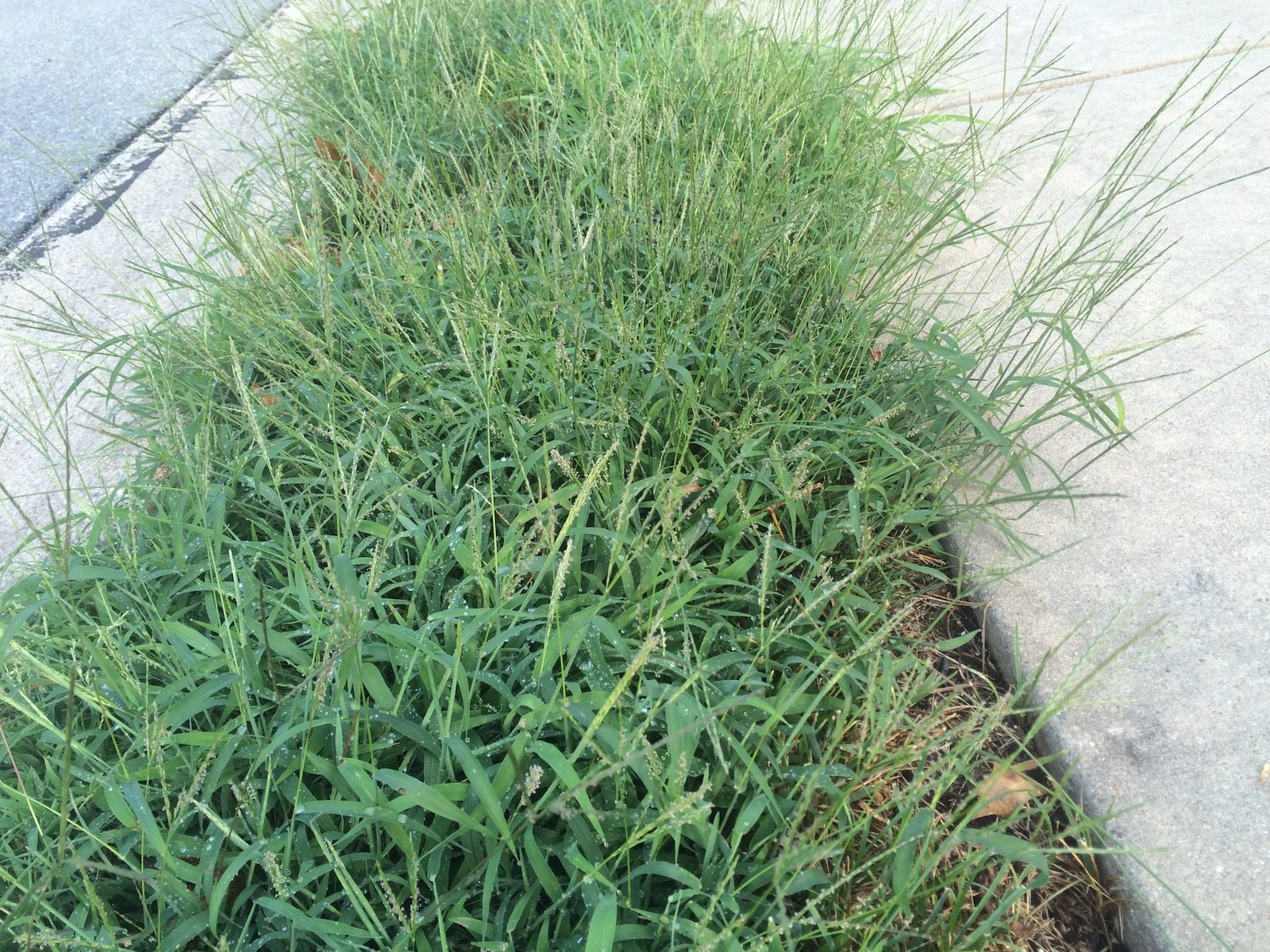
Extra stubborn weeds can take a month to fully die back. Clover and creeping Charlie are the classic examples here: both need multiple applications and a couple of months to go away for good. A few weeds are not controlled by any selective material available for lawns, which makes correct identification a prerequisite rather than a formality.
Keep the sequence in mind. A weed you see today germinated weeks or months ago, and the perennials among them have been building root systems for a season or more. They are not going to vanish on a timeline shorter than the one they grew on. The useful part is that weed control and lawn rebuilding happen at the same time, so you see the weed count drop while the turf is still thickening.
How long until new grass fills in
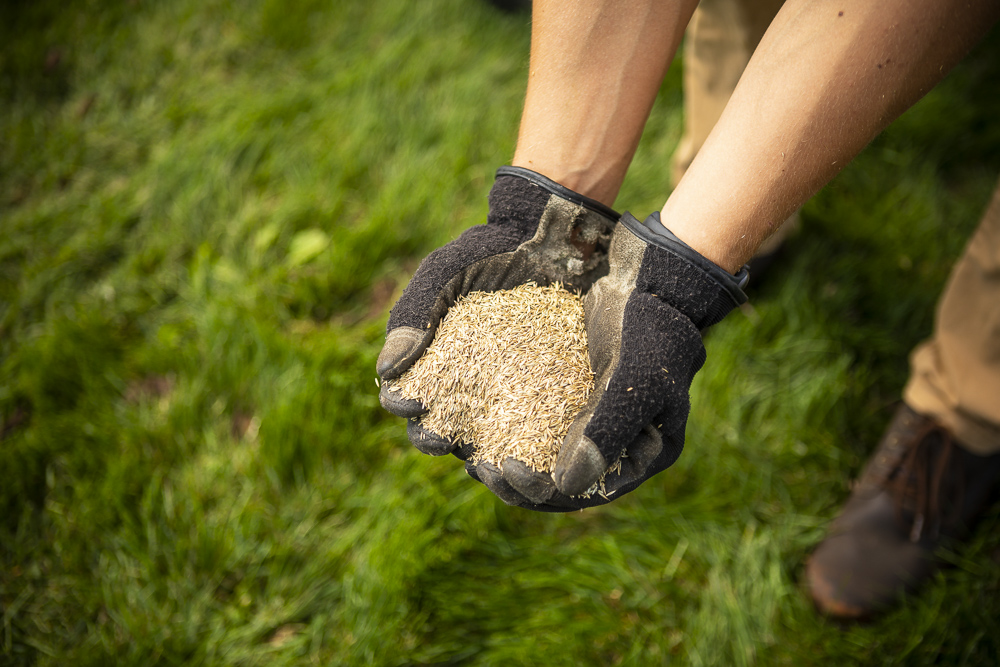
Grass seed germinates in roughly five to thirty days depending on species and soil temperature. Perennial ryegrass is the fastest, Kentucky bluegrass the slowest, and most lawn mixes here include both so you see the ryegrass first.
Germination is the easy part. A lawn started from seed takes two to three years to become the thick, uniform stand you pictured when you bought the bag. Grass is a living plant filling an area by tillering and spreading, and that happens at the pace the growing season allows. In Wisconsin and Minnesota cool-season turf makes its real progress in spring and fall, with summer as a holding period, so a lawn seeded in the mid August to mid September window does most of its visible filling the following spring.
How fast it closes in depends on the grass type, sunlight, soil, watering, and the season you seeded in. A sunny lawn seeded in early September with good watering fills far faster than a shaded lawn seeded in late May.
How long until fertilizer shows
Granular fertilizer breaks down and releases over weeks, so the color change it produces builds rather than flashes. That is the point of using slow-release material: consistent feeding between visits instead of one quick green-up that fades.
But fertilizer alone does not fix a struggling lawn, and this is where most disappointment originates. A few things can block the results you paid for:
- Soil pH out of range. Nutrients are only available to the plant within a certain pH band. If pH is off, the lawn cannot take up what you are applying, and more fertilizer does not change that. Correcting pH is a slow process measured in seasons.
- Compaction. Compacted soil restricts roots and limits how much air, water, and nutrient reaches them. Core aeration pulls plugs of soil out, opening channels for all three. It is one of the highest-value services on a struggling lawn.
- Thatch. More than about half an inch of thatch intercepts water and product before either reaches soil.
- Watering and mowing habits. Mowing too short and watering too lightly undo a fertility program. Three to three and a half inches and about an inch of water a week, delivered in a couple of deep early morning cycles, are the two homeowner inputs that matter most.
The realistic timeline for a struggling lawn
When we take over a lawn that needs real help and run a comprehensive program, after three to four months you should notice that it is greener, has fewer weeds, and generally looks better. That is the first honest checkpoint.
Getting it all the way to where you want it takes anywhere from a few months to a couple of years, depending on where it started. A lawn that is basically healthy and just underfed turns around in one season. A lawn that is thin, compacted, half weeds, and sitting on soil with a pH problem is a two to three year project, because several of the corrections can only move at the speed of soil.
Each visit builds on the one before it. Fertility carries over, the weed seed bank gets smaller, aeration compounds, and the canopy gets thicker, which suppresses the next round of weeds on its own. That compounding is the reason a program outperforms the same number of applications bought one at a time.
Choosing the level that matches your timeline
RainMaster offers three levels of lawn care programs, chosen on the results you want, how fast you want to see them, and your budget.
- Luscious Lawn is the high-end proactive program for the quickest and best results, and the right choice if your lawn needs a lot of help.
- Terrific Turf is the mid-level option and our most popular, built to grow a thick green lawn and handle most challenges.
- Healthy Habitat is the basic plan with the elements you need for a better lawn.
If parts of the lawn are not responding while the rest improves, the cause is usually water, not nutrition. Uneven coverage from a misaligned head or a failed zone shows up as persistent thin areas that fertilizer cannot fix, which is worth checking with an irrigation inspection before adding anything else to the program.
Bottom line
- Weeds visibly die seven to fourteen days after treatment; clover and creeping Charlie take multiple applications over a couple of months.
- Grass seed germinates in five to thirty days, but a seeded lawn takes two to three years to mature.
- Expect a noticeably greener lawn with fewer weeds after three to four months on a comprehensive program.
- Fertilizer cannot overcome soil pH problems, compaction, or heavy thatch, so those get corrected alongside it.
- Results compound visit over visit, which is why a program beats the same applications bought one at a time.
Frequently asked questions
How long does it take to see results from a new lawn care program?
Weeds respond within one to two weeks. Color and density build over three to four months, which is the first fair checkpoint. A lawn that started out thin, compacted, or weedy may take two to three years to reach where you want it.
Why isn't my lawn greening up after fertilizer?
Usually something is blocking uptake rather than a shortage of nutrients. Soil pH outside the usable range, compacted soil, heavy thatch, or inadequate watering all keep fertilizer from working. A soil test and core aeration address the common causes.
How long does it take grass seed to become a real lawn?
Germination takes five to thirty days, you will have usable turf within a season, and a thick mature stand takes two to three years. Cool-season grass in this region makes its progress in spring and fall, not summer.
Should I switch lawn care companies if I do not see results in a month?
A month is too short for anything but weed dieback. Judge at three to four months, and judge on direction rather than perfection: fewer weeds, better color, thicker turf. What you should expect immediately is documentation of what was applied on each visit.
University of Minnesota Extension, Fertilizing lawns.


