


Lawn Care and Irrigation: 6 Benefits to Using Companies That Handle Both
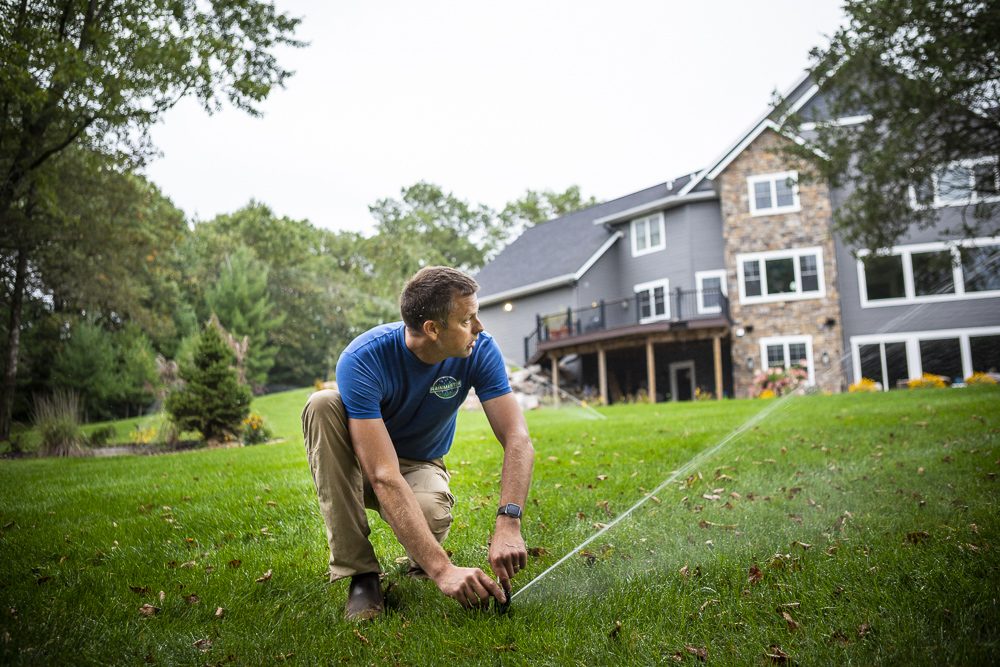
Most companies do lawn care or irrigation, and the ones that claim both usually specialize in one and tolerate the other. That split matters more than it sounds, because watering and turf health decide each other's results. Here is what changes when one company handles both.
1. Convenience
The simplest benefit is the one you feel every week. Fewer phone calls. One company showing up at the property. No coordinating two schedules, trying to work out when the lawn crew comes and when the irrigation tech is due, and no calling one to ask what the other did.
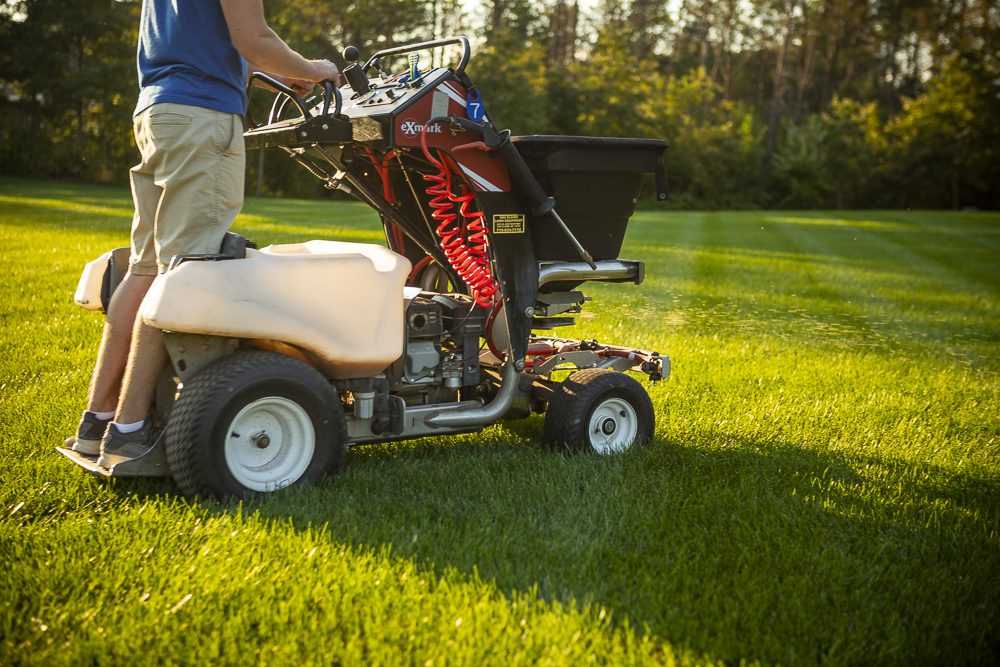
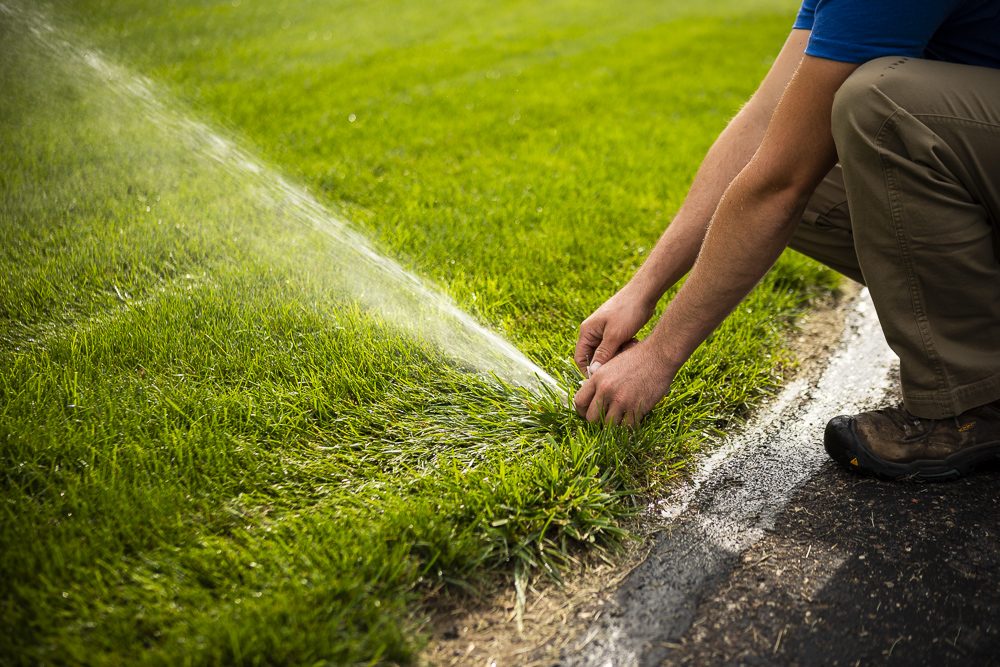
Scheduling in this region is tight by nature. Spring activation, crabgrass pre-emergent, weed control rounds, aeration and overseeding, and fall winterization all have to land in specific windows across a short season. One company sequencing all of it means the windows do not collide.
2. Coordinated care, because the technicians talk
This is the real benefit. When the same company handles both, the technicians share what they see on your property.
A lawn care technician shows up to fertilize and notices an unusually wet spot. They know that often means a leak or a broken lateral line, and they flag an irrigation tech to check it. An irrigation technician is out adjusting a head and spots grub damage or the early stage of a fungal disease, and they alert a lawn care technician before it spreads.
Both of those are routine for us and essentially impossible with two vendors. If you have a separate lawn treatment company and a separate irrigation company, it is highly unlikely either one communicates with the other about anything. They are not on the same team, and they are not looking for each other's problems.
3. More eyes on the property when you are away
A lot of our customers spend the summer at a cabin or cottage, away from the primary residence for weeks or months at a stretch. That is exactly when an irrigation problem gets expensive.
A broken head can run for weeks if nobody notices. So can a valve that is not closing fully. With one company handling lawn care and irrigation, there are simply more visits and more trained eyes on the yard across the season, and the people making them are comparing notes.
4. Less finger pointing
With two companies, blame has somewhere to go. The weed control did not take, and the lawn company says the sprinklers washed it off. The turf is thin, and the irrigation company says it is a fertility problem. Nobody is lying exactly, and nobody owns it.
When one company is responsible for both, there is no version of the conversation where it was the other guys. A problem gets diagnosed and addressed rather than attributed.
5. Fewer things for you to remember
Aeration and overseeding is the clearest example. When our technicians show up to aerate and seed, you do not have to think about your sprinkler heads or your controller.
- We flag the heads first so the aerator does not hit them. Aerating over unmarked heads is how homeowners end up paying for irrigation repairs after a lawn service.
- We reset the controller for new seed. New seed needs frequent, light watering, which is the opposite of an established lawn's deep and infrequent schedule. With premium aeration service, if we have access to the controller, we handle that change for you at no charge.
Other companies charge $50 to $100 or more for the controller adjustment, or they simply leave it to the homeowner, which means one more thing to remember at exactly the moment it matters most. Seed that is watered on an established-lawn schedule does not germinate.
6. Avoiding overlap mishaps
Here is the scenario that costs people a whole application. Your lawn care company fertilizes and treats for broadleaf weeds, and leaves instructions not to water for several hours while the product is absorbed. Your irrigation company has no idea they were there. They show up to service the system, run every zone to check coverage, and wash the treatment off the leaf before it did anything.
You paid for that application. It is gone, and nobody involved knows it happened. The reverse happens too: a controller gets adjusted upward in July and nobody tells the lawn care side why disease pressure suddenly jumped.
With one company, the service history is in one place and the sequence is deliberate.
Why the combination produces better results
Watering is the single biggest variable in turf health in Wisconsin and Minnesota. Too much, applied too often or too late in the day, produces disease, shallow roots, and weeds. Too little produces drought stress that gets misread as a nutrition problem. Meanwhile the amount of water a lawn actually needs depends on its root depth, soil compaction, thatch, and shade, all of which are lawn care variables.
Managing one side without visibility into the other means guessing. Running both means the irrigation schedule is set based on what the turf is actually doing, and the lawn care program is built around how the property is actually being watered. That is where the visible difference comes from, not from convenience alone.
Bottom line
- One company means one schedule, fewer calls, and no coordinating two vendors across a short northern season.
- Technicians who share a property share observations: a wet spot gets checked for a leak, grub damage gets flagged to lawn care.
- For customers away at a cabin for the summer, more visits means a broken head gets caught in days instead of weeks.
- With premium aeration, heads are flagged before aerating and the controller is reset for new seed at no charge; others charge $50 to $100 or more or leave it to you.
- Overlap mishaps, like irrigation running right after a weed treatment, waste whole applications and nobody notices.
Frequently asked questions
Do I have to buy both lawn care and irrigation service?
No. Plenty of customers start with one. The coordination benefits apply when both are with the same company, but there is no requirement to bundle.
Why does the controller need adjusting after overseeding?
New seed needs the top half inch of soil kept consistently moist, which means short cycles several times a day. An established lawn needs deep, infrequent watering. Running the established schedule on new seed usually means it never germinates.
Can aeration damage my sprinkler heads?
Yes, if the heads are not located and flagged first. An aerator hitting a head is a common and avoidable repair, which is why marking heads is a standard step before the machine goes out.
How long after a lawn treatment should irrigation stay off?
Follow the instructions left for that specific application, usually several hours for broadleaf weed control so the product absorbs. Running sprinklers too soon washes the treatment off the leaf before it works.
EPA WaterSense, Watering Tips.
University of Wisconsin Division of Extension, Lawn Aeration.


