


6 Lawn Care Hacks That Don't Work (& What Does)
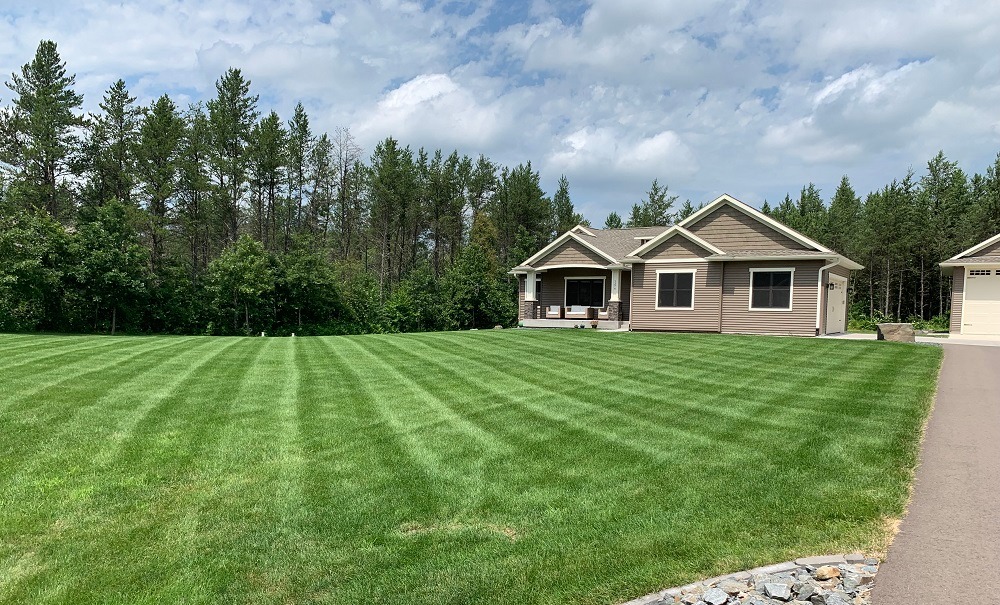
Lawn hacks spread because they are cheap, fast, and easy to film. Most of them either do not work or make the problem worse, and in a short northern growing season a wasted month costs more than it would somewhere with twelve growing months. Here are six, and what actually works instead.
1. Kitchen remedies for weeds
Boiling water, vinegar, and salt have been handed down for generations. The problem is that none of them is selective. Vinegar will burn what it touches, including the grass and the ornamental next to the weed, and on a perennial weed it burns the top growth while the root survives and resprouts in two weeks. Salt is worse, because it stays in the soil and damages its structure, so you have traded a dandelion for a dead patch that will not grow anything for a long time. Boiling water has the same non-selective problem and no residual effect at all.
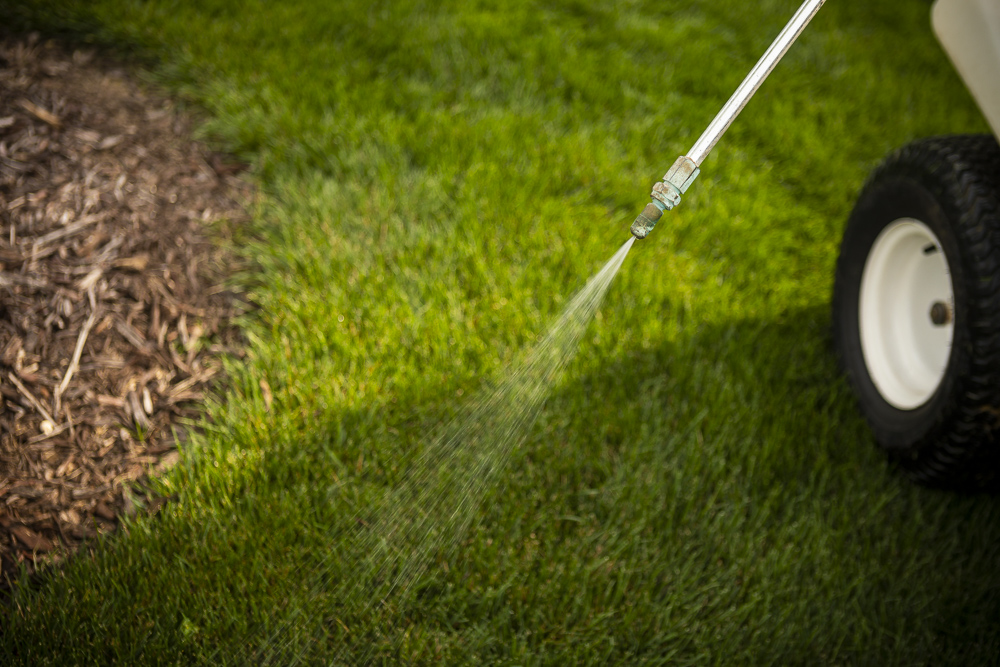

What works: a professional-grade product selected for the specific weeds in your yard, applied at a rate that kills the weed without harming the turf. Some especially vigorous weeds, creeping charlie and wild violet among them, need repeat applications across the season and are most vulnerable in fall when they are moving resources down into the roots. Timing is as important as product choice.
2. Lawn repair patch mix
The all-in-one bag of seed, fertilizer, and mulch looks like the obvious answer for a bare spot. Spread, water, done.
Two problems. The seed in those mixes is rarely matched to the grasses already in your lawn, so even when it grows you get a patch of a different color and texture. And the mix does nothing about why the spot went bare. If the cause was compaction, traffic, or a dry zone in the irrigation system, the patch thins out again by next year.
What works: aeration and seeding. Thin and bare areas very often mean compacted soil, which keeps roots from taking in water and nutrients and weakens the whole stand. Core aeration pulls plugs of soil out, opening channels for air and water to reach the root zone, and it helps break down thatch, the layer of dead grass and stems between the blades and the soil. Overseeding right after aeration puts seed into those open holes, which is far better soil contact than broadcasting onto an untouched surface. Late August through mid September is the window here.
3. Mowing short to mow less often
Cut it lower, go longer between mows. It is logical and it is wrong.
Mowing removes leaf surface, and leaf surface is how the plant makes food through photosynthesis. Take off too much and you are starving the grass at the same time you are asking it to recover. The working rule is to remove no more than a third of the blade in a single mowing. Short mowing also exposes the soil surface to sun, which heats the soil and makes it far easier for weed seeds to germinate. Crabgrass in particular thrives in hot, thin, short-mown turf.
What works: mow taller, and raise the height as summer progresses. Aim for about 3 inches in June and 3.5 to 4 inches in July and August. Taller grass grows thicker, stays greener, builds a deeper and more drought-tolerant root system, and shades the soil so weeds have a harder time establishing.
4. Bagging grass clippings
Bagging feels tidy and responsible. It is mostly throwing away fertilizer you already paid for.
What works: leave the clippings. Grass clippings are mostly water and nitrogen. They fall to the soil surface, break down, and return nutrients to the lawn as a natural feeding. They do not cause thatch, which is a common misconception, because thatch is made of stems and roots rather than leaf tissue. The exceptions are narrow: bag when the clippings are long and clumpy from a missed mowing, or when the lawn has an active disease you do not want spread across the yard.
5. Dog urine remedies
Nobody likes the yellow and brown spots. Pet stores sell dietary supplements that claim to change the nitrogen content or pH of dog urine, and lawn products that claim to neutralize it after the fact. There is no good evidence that any of them work, and some supplements have been linked to urinary tract problems in pets, which is a real cost for an imaginary benefit.
The damage is from nitrogen and salts in concentrated urine burning the crown of the plant. Nothing you add to the lawn afterward reverses that.
What works: manage behavior and geography. Designate one area away from the main lawn for the dog and train to it. Plant something other than turf, like a mulched bed or a gravel area, where the dog tends to go. Water heavily right after an accident on good turf to dilute the spot. And plan to reseed damaged areas as needed, which is a small annual task rather than a problem to be solved once.
6. Pop can and duct tape irrigation repair
You would be surprised how many of these we find. Someone cuts open an aluminum can, wraps it over a puncture in the irrigation line, and tapes it down. Or removes a broken head and tapes off the pipe.
Buried pipe operates under pressure and in wet soil. Tape fails, the can corrodes, and now you have a slow leak underground that you cannot see and that shows up on the water bill or as a washout months later.
What works: a real repair with real parts. A proper coupling or slip fix on the line, and a head replaced with a matching nozzle so the zone keeps its coverage. See irrigation repair for how we handle it.
Why the hacks keep circulating
Most of these contain a kernel of something true. Vinegar does kill plant tissue. Short grass does look tidy. The problem is that lawns are a system, and a shortcut that solves one visible symptom usually worsens the underlying condition. The things that actually move a lawn forward in Wisconsin and Minnesota are unglamorous and schedule-driven: correct mowing height, deep and infrequent early morning watering, nutrition timed to the season, annual core aeration, and overseeding in the three weeks between mid August and mid September when the soil is still warm and the nights have cooled. A lawn care program exists to get those done on time.
Bottom line
- Vinegar, salt, and boiling water are non-selective, kill what they touch, and leave perennial weed roots alive; salt damages soil long term.
- Patch mix rarely matches your existing grass and does nothing about the compaction or traffic that caused the bare spot.
- Remove no more than a third of the blade; mow about 3 inches in June and 3.5 to 4 inches in July and August.
- Leave clippings on the lawn. They return nitrogen and do not cause thatch.
- No dog urine supplement or neutralizer has good evidence behind it, and some supplements risk your pet's health.
Frequently asked questions
Does vinegar kill weeds permanently?
No. It burns the foliage it contacts but does not reach the root system of a perennial weed, so the plant regrows. It is also non-selective, so it damages the surrounding grass and ornamentals at the same time.
Do grass clippings cause thatch?
No. Thatch is built from stems, crowns, and roots, not leaf tissue. Clippings are mostly water and break down quickly, returning nitrogen to the lawn.
How short is too short to mow?
Anything that takes off more than a third of the blade at once, and in practice anything under about 2.5 inches for cool-season grasses here. Short mowing heats the soil surface and gives crabgrass and other weed seeds the conditions they need.
What actually fixes dog urine spots?
Training the dog to one designated area, replacing turf with mulch or gravel where it goes, flooding fresh spots with water to dilute them, and reseeding the damage. Supplements and neutralizing products do not have evidence behind them.
University of Wisconsin Division of Extension, Crabgrass.
University of Minnesota Extension, Fertilizing Lawns.


