


10 Lawn Aeration & Overseeding FAQs for WI & MN Homeowners
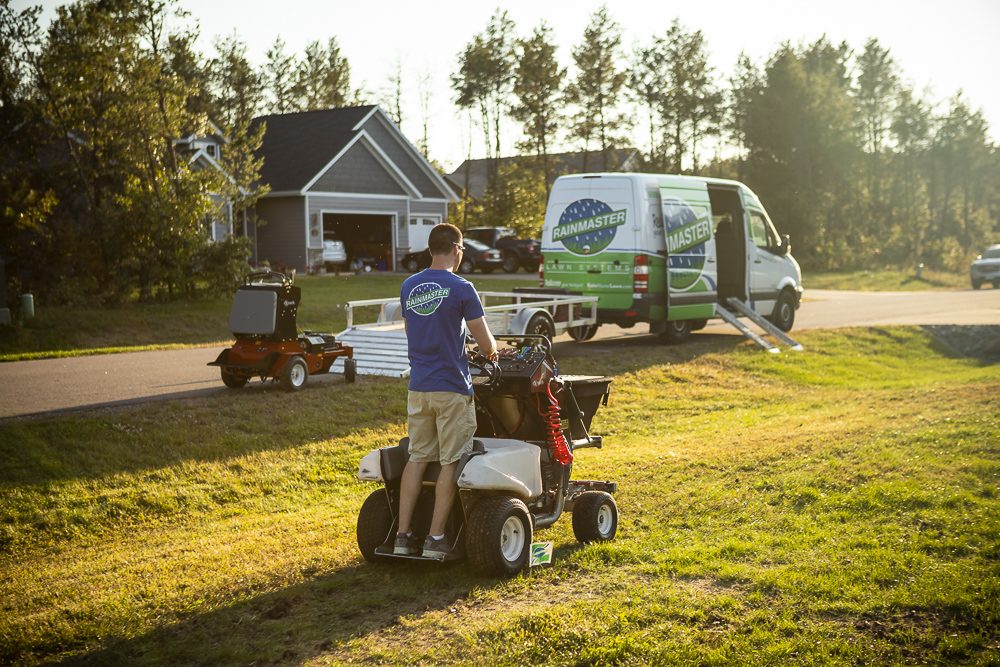
Aeration and overseeding are the two services that change a struggling lawn the most, and the two most homeowners have the most questions about. Here are the ten we get asked most often in the Chippewa Valley and the Twin Cities, answered plainly.
1. What is lawn aeration and why does a lawn need it?
Soil compacts over time. Clay soil compacts especially easily, because the fine particles pack tightly and leave very little air space, and foot traffic, mowers, and vehicles accelerate it. Compacted soil holds no air, water runs off it instead of soaking in, and roots cannot push through it to find moisture and nutrients. The lawn above thins, and weeds and disease move into the openings.
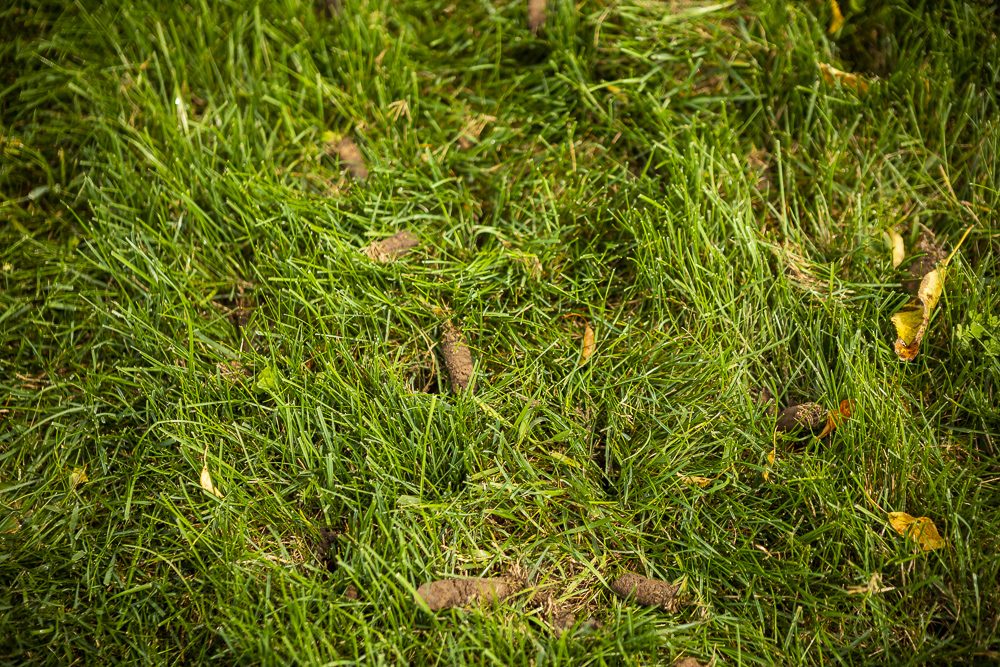
Core aeration uses a machine to pull small plugs of soil out of the lawn, leaving open channels down into the root zone. Water, air, and nutrients get in, and roots grow into the channels.
2. What does aeration do for grass and soil?
Three things. It relieves compaction so roots can grow deeper, and a deeply rooted lawn handles heat, drought, disease, and weed pressure far better. It improves infiltration, so irrigation and rainfall move into the soil instead of running off. And it helps the thatch layer decompose, by mixing soil and the microbes in it up into the thatch where they can break it down.
One correction while we are here: grass clippings do not cause thatch. Clippings are mostly water and break down within days. Thatch is a layer of slowly decomposing stems, crowns, and roots that accumulates when growth outpaces decomposition, usually on compacted or heavily fertilized lawns.
3. What should I do with the plugs?
Leave them. The cores break down within a couple of weeks of mowing and rainfall and return soil and nutrients to the surface. Raking them up removes that benefit and adds an afternoon of work for no reason. They look untidy for a short while and then they are gone.
4. Can aeration damage my irrigation or my dog fence?
An aerator can hit a sprinkler head or cut a buried pet fence wire if nobody knows where they are, which is why marking matters. With our higher level aeration service, we flag sprinkler heads before we start so the machine avoids them, and afterward we reset the irrigation controller for the different watering schedule new seed requires. For an invisible dog fence, you can mark the line yourself or we will locate and mark it for a small additional charge.
And if we do damage a sprinkler head while aerating, we repair it at no charge.
5. Is overseeding worth it if the lawn looks okay?
If the lawn is genuinely thick and healthy, you may not need it. Thin areas, bare spots, or recurring disease are all signs that fresh seed would help.
There is also a case for seeding a decent lawn periodically. Grass breeding keeps moving, and current cultivars offer better drought tolerance, better disease resistance, and better density than what was planted ten or twenty years ago. Introducing improved varieties gradually upgrades the lawn's genetics.
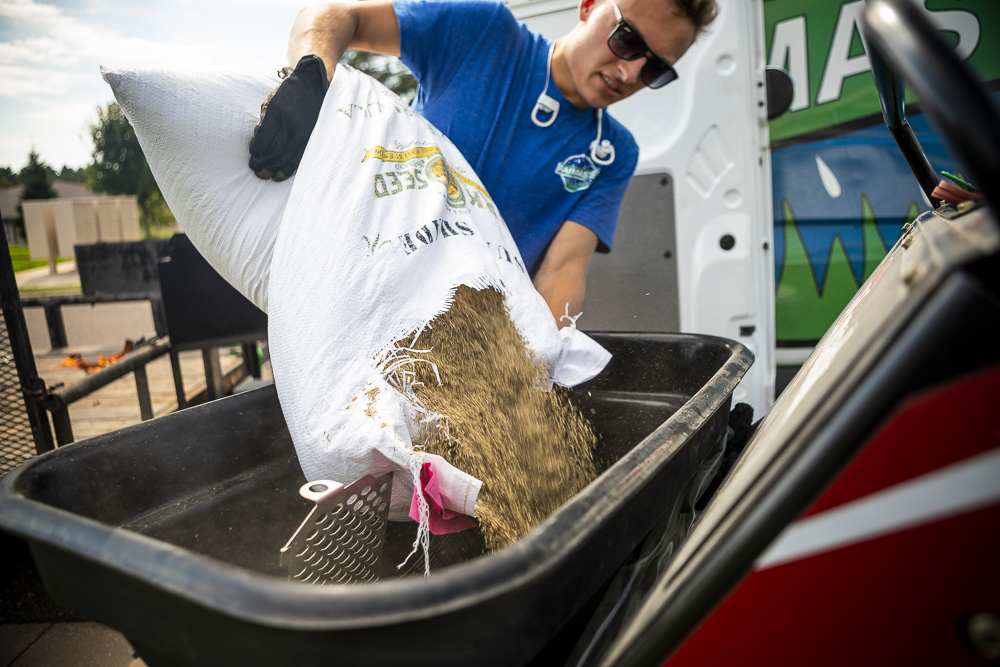
And there is no better time to seed than immediately after aeration. The open cores give seed direct contact with soil at the right depth, which is the single biggest factor in germination rate.
6. Is store-bought grass seed good enough?
You can use it, but know what you are buying. Bargain seed frequently contains weed seed, which means a Saturday spent planting next year's problem, and it often uses older cultivars. Every bag carries a label listing the varieties, the germination rate, and the percentage of weed seed and inert matter. Read it.
Professional seed costs more per bag because of what is in it: current cultivars selected for color, density, and disease resistance, blended to match sun, shade, and soil conditions on a specific property.
7. What results should I expect, and when?
Be patient. Seedlings appear in a few weeks depending on soil temperature and moisture, but a visibly thicker lawn takes longer than most people expect.
For scale: at a sod farm, under ideal conditions with professional irrigation and fertility, new seed takes roughly six to ten months to reach the point where sod can be harvested. A home lawn is not going to beat that. Expect small improvements within a few weeks, real density after one or two full growing seasons. It is a long game, which is also why skipping a year sets you back more than it saves.
8. How often should I aerate and overseed?
It depends on soil type, grass species, traffic, and the lawn's condition. Some lawns benefit from annual aeration, particularly on clay soil, in high traffic yards, and on lawns sodded within the last few years, where the sod layer and the soil beneath it can form a compacted interface. Others do fine every other year. Some lawns need aeration without seeding.
It is genuinely an individual call. We are happy to look at a lawn and say what it needs, including telling you when it does not need anything.
9. How do I water after aeration and overseeding?
Opposite of normal. An established lawn wants deep, infrequent watering. New seed wants the top layer of soil to stay consistently moist, which means frequent short cycles: roughly three to four times a day for about ten minutes at a time.
The goal is moist, not saturated. Soaked soil has no air in it and seedlings rot. Once the new grass is established and you have mowed it a few times, shift back to deep and infrequent watering so the roots push down. If we have access to your irrigation controller, we set the seeding schedule for you at no extra charge, and reset it afterward.
10. Should I rent an aerator or hire it out?
You can rent one. Consider what is involved first. A core aerator weighs 300 to 400 pounds, which means a trailer and a ramp to move it. It fights you across the lawn, lurching as the tines go in and out, and it will rattle you for a day afterward. Plan on most of a day for a large yard, and plan on not doing much the next day either.
You also take on the risk. Hitting a sprinkler head, a shallow cable, or a pet fence wire turns a rental fee into a repair bill. We do this all day, we flag what needs flagging, we cover repairs if we cause damage, and we can follow with seed matched to your property rather than whatever bag the rental counter also sells.
Bottom line
- Core aeration pulls plugs of soil out to relieve compaction, improve infiltration, and help thatch decompose. Leave the plugs on the lawn to break down.
- Seed immediately after aeration. The open cores give seed the soil contact that drives germination.
- Water new seed opposite of normal: roughly three to four short cycles a day of about ten minutes, moist but not saturated.
- Expect seedlings in a few weeks and real density after one or two full growing seasons. Sod farms need six to ten months under ideal conditions.
- Clay soils, high traffic lawns, and recently sodded lawns often benefit from annual aeration. Others do fine every other year.
Frequently asked questions
When is the best time to aerate and overseed in Wisconsin and Minnesota?
Late summer into early fall is the strongest window. Soil is still warm enough for fast germination, nights are cooling, weed competition is dropping, and new grass gets a full fall plus the following spring to establish before its first summer.
Should I rake up the aeration plugs?
No. They break down within a couple of weeks and return soil and nutrients to the lawn. Raking them removes that benefit for nothing but appearance.
How long until new grass fills in after overseeding?
Seedlings in a few weeks, noticeable improvement in a couple of months, and real density after one or two growing seasons. Even a sod farm needs six to ten months to produce harvestable turf from seed.
Will aeration hurt my sprinkler system or invisible dog fence?
Not if they are marked. We flag sprinkler heads before aerating and will locate and mark an invisible fence for a small charge. If we damage a sprinkler head during aeration, we repair it at no charge.
University of Wisconsin Division of Extension, Lawn Aeration and Topdressing.
University of Minnesota Extension, Seeding and Sodding Home Lawns.


