


Is Yard Mosquito Treatment Safe For My Pets? What to Know
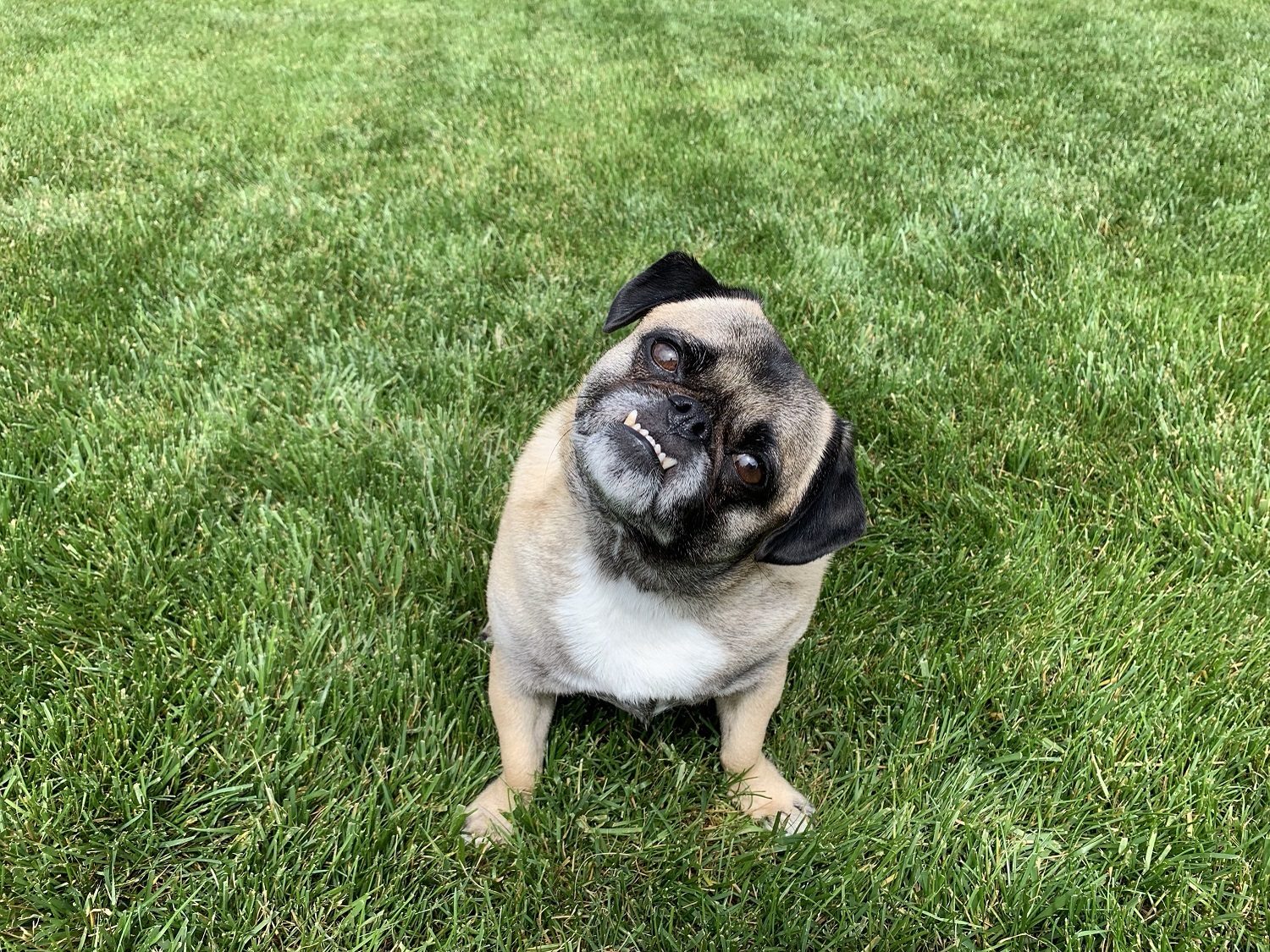
Yard mosquito treatment is safe around dogs and cats when it is applied correctly and pets stay inside during the application and until the treated areas have dried, which takes about 30 minutes. The product is applied to foliage and shaded harborage areas, not to open lawn where pets spend most of their time, and once it is dry there is no wet residue to pick up on paws or fur.
How yard mosquito spray actually works
We cannot speak for every mosquito spraying company in Minneapolis and Eau Claire, but here is what a RainMaster application looks like. We treat the perimeter of your yard and the specific places mosquitoes rest and breed during the day:
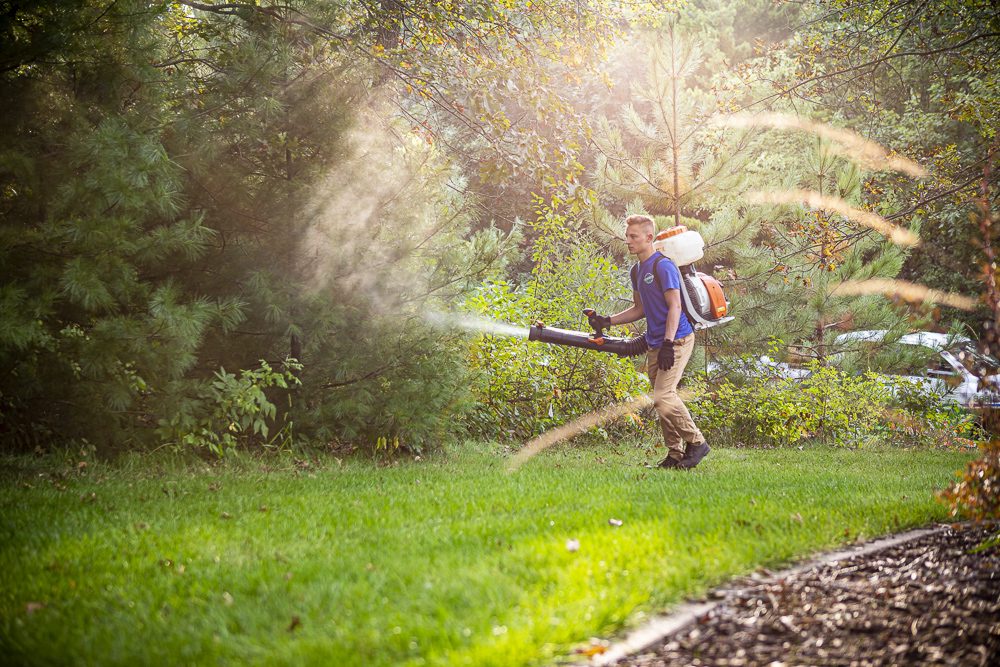
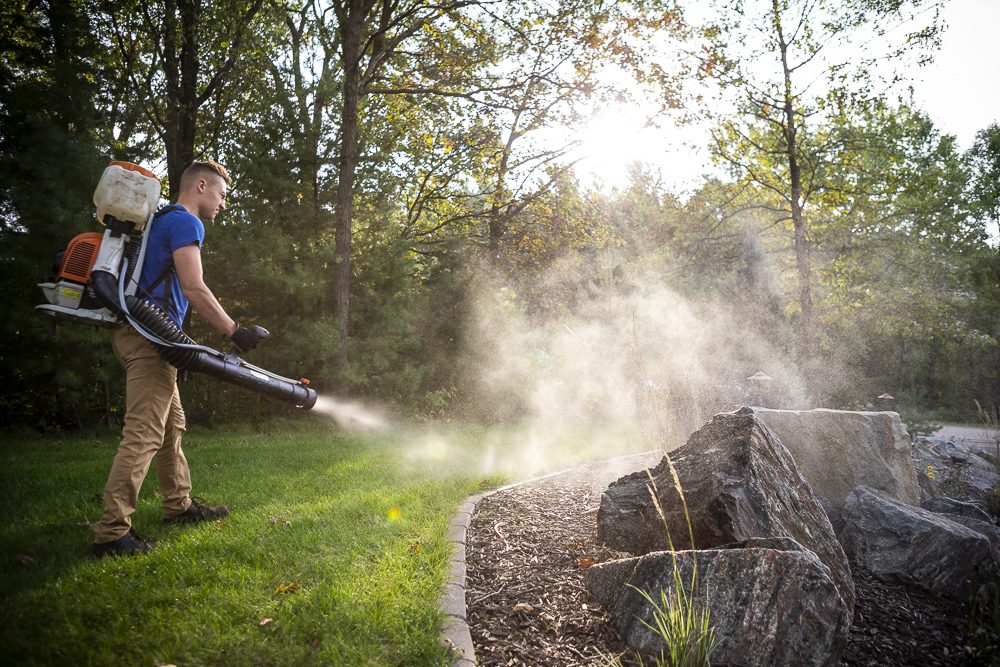
- The undersides of plant leaves
- Shady areas
- Wet areas and low spots that hold water
- Under decks
- Under tree canopies
- Wood piles
This is a barrier treatment, not a fog over the whole yard. Adult mosquitoes spend the daylight hours resting on cool, shaded, humid surfaces, and that is where the product goes. Mosquitoes that land on those treated surfaces are killed, which is why the effect lasts for weeks rather than minutes. Regular visits every three weeks keep the barrier active through the season.
Keeping pets safe on treatment day
The handling rules are simple and they are the same ones that apply to people.
Keep pets indoors during the application
Dogs and cats should be inside while the specialist is working in the yard. Your dog will probably bark at the stranger with the tank and hose, which is fine. The point is to keep pets out of the spray itself and away from surfaces that are still wet.
Wait until treated areas are dry
Dry time is roughly 30 minutes in normal conditions. Humidity, heavy shade, and cool temperatures can stretch that out. Once the foliage is dry, pets can go back out and do what they always do, which is sniff every square foot the specialist walked across.
Pick up bowls, toys, and anything that holds water
Before the visit, bring in water bowls, food dishes, chew toys, and bedding that lives outside. That is partly common sense and partly a mosquito control step: the saucer under a planter, a tipped-over bowl, or a kiddie pool is a breeding site. Standing water is where the next generation comes from, and no barrier treatment compensates for a yard full of it.
Tell us about anything unusual
If you have a vegetable garden, a fish pond, beehives, backyard chickens, or a pet with a known respiratory condition, say so when you schedule. Those areas get worked around.
It kills ticks too, but it does not replace your vet's plan
The barrier spray reduces ticks on the property along with mosquitoes, which is a real benefit in the Chippewa Valley and the Twin Cities metro, where deer ticks are present in wooded edges, tall grass, and leaf litter. Reducing the tick population in the yard means fewer ticks available to climb onto a dog walking the perimeter.
It is not a substitute for the tick prevention your veterinarian prescribes. Keep using whatever your vet recommends, whether that is a topical, an oral, or a collar. Yard treatment and on-animal prevention do two different jobs: one lowers the number of ticks in the environment, the other protects the animal from the ones it still encounters, including the ones it picks up on a trail or at a neighbor's house. Keep checking your dog after time outdoors.
What else reduces mosquitoes around pets
- Eliminate standing water weekly. Clogged gutters, tarps, wheelbarrows, buckets, planter saucers, and tire swings all hold enough water to produce mosquitoes in a matter of days.
- Keep the yard from staying wet. A sprinkler head leaking into a shaded bed creates a permanent damp spot. If you have soggy areas that never dry out, that is an irrigation or drainage issue worth fixing.
- Cut back dense shade and tall grass at the yard edge. Thinning the humid, shaded harborage gives mosquitoes and ticks fewer places to rest during the day.
- Stay on schedule. The barrier breaks down over time and after heavy rain. Skipping a visit in the middle of the season lets the population rebuild.
What to expect from the season
Mosquito pressure in Wisconsin and Minnesota runs from late spring through the first hard frosts, and it spikes after rain. A season of regular treatments is designed around that, with visits every three weeks from spring into fall. We call it mosquito reduction rather than elimination, because no treatment removes every mosquito from an open yard. What a season of barrier treatments does is make the yard usable again for the people and the animals in it.
Bottom line
- Keep dogs and cats indoors during the application and until treated foliage is dry, about 30 minutes.
- The spray targets shaded harborage and the perimeter, not the open lawn, and leaves no wet residue once dry.
- Bring in water bowls, toys, and bedding beforehand, and tell us about ponds, gardens, hives, or chickens.
- The barrier reduces ticks as well, but it does not replace the tick prevention your veterinarian prescribes.
- Standing water on the property will undo a treatment, so dump and drain anything that holds water weekly.
Frequently asked questions
How long after mosquito spraying can my dog go in the yard?
Once the treated areas have dried, generally about 30 minutes. Cool, humid, or heavily shaded conditions can take longer, so give it extra time if the foliage still feels damp.
Is mosquito treatment safe for cats?
Yes, under the same handling rules as dogs: keep them inside during the application and until everything is dry. Cats that spend time outdoors should be brought in before the technician arrives.
Do I need to move my pet's water bowl or food dish?
Yes. Bring in bowls, toys, and outdoor bedding before the visit. Standing water in a bowl or saucer is also a mosquito breeding site, so emptying them regularly helps the treatment work.
Does yard mosquito spray protect my dog from ticks?
It reduces the number of ticks in the yard, which lowers exposure at home. It does not protect the animal itself, so stay on the tick prevention your veterinarian recommends and keep checking your dog after time outside.


