


6 Interesting Facts About Moles in Lawns & How to Control Them in WI or MN
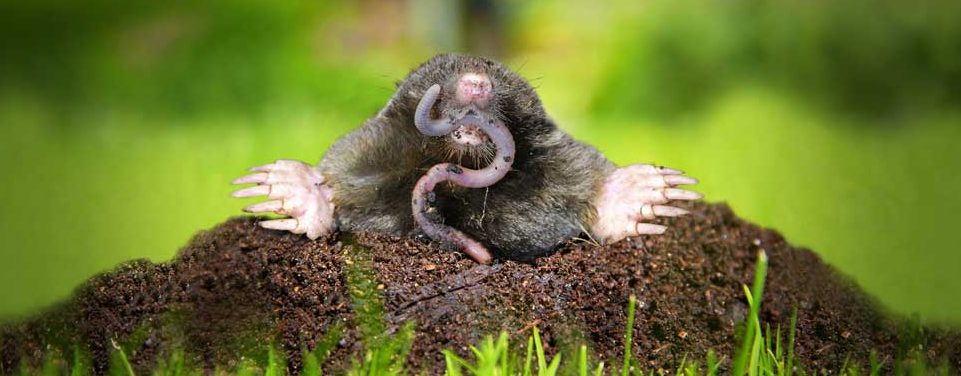
You will almost never see the mole that wrecked your lawn, but you will see the raised ridges and the volcano-shaped mounds it left behind. Moles are after the food in your soil, not your grass, which is why most of the home remedies people swear by do nothing. Here is what a mole actually is, how to confirm you have one, and what works in Wisconsin and Minnesota yards.
What a mole actually is
First, a correction you will see repeated all over the internet: moles are not shrews, and they are not rodents. Moles belong to their own family, Talpidae. Shrews are a separate family, and rodents are a different order entirely. The confusion is understandable, since moles and shrews are both small insect eaters, but it matters because rodent baits and rodent control products are not built for moles.
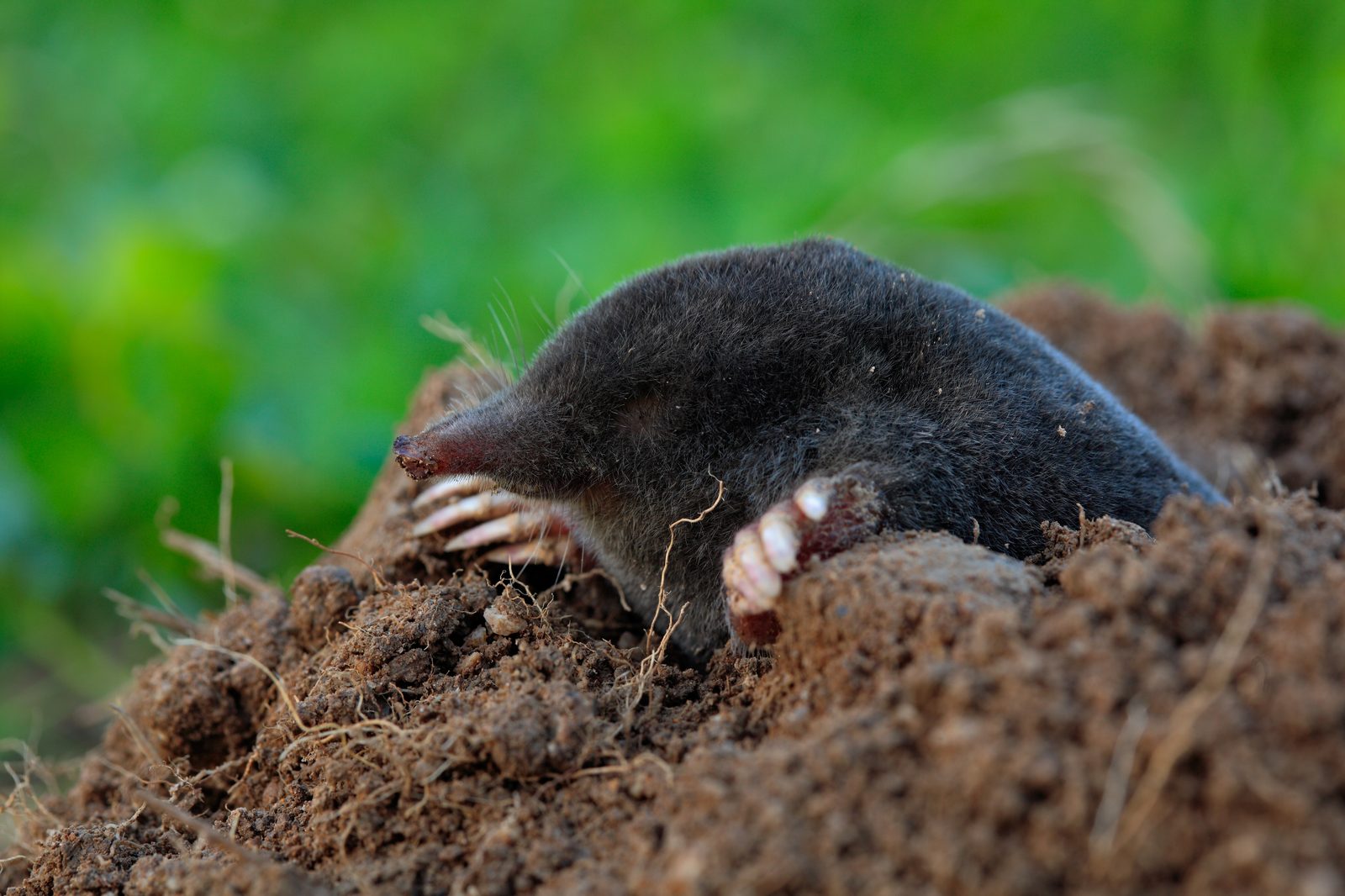
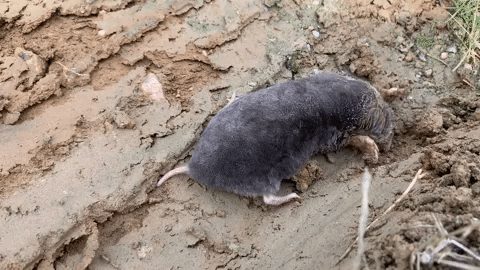
A mole is around seven inches long and weighs roughly three ounces. Its eyes are tiny and nearly useless. What it does have is a pair of paddle-shaped front feet with heavy claws, which makes it a full-time digging machine. In Wisconsin and Minnesota you are usually dealing with the eastern mole, with star-nosed moles showing up in wetter ground.
How to tell a mole from a vole or a gopher
This matters, because the three animals call for three different responses.
- Moles leave raised ridges that snake across the lawn, created as the mole tunnels just below the surface, plus cone-shaped mounds of loose soil pushed up from the deeper runs around their dens. Step on a tunnel and your foot sinks.
- Voles do not raise ridges. They leave narrow surface runways in matted grass, about an inch or two wide, and they chew grass crowns and the bark at the base of shrubs and young trees. Vole damage is usually revealed in spring when snow melts off.
- Pocket gophers push up fan-shaped or horseshoe-shaped mounds with a soil plug off to one side, not a neat cone with a center hole.
Moles are good at digging, often cited at up to eighteen feet of tunnel in an hour. Along the way they also disturb plant roots and bulbs, which is the part homeowners feel in the garden beds.
Why your yard is a mole buffet
Moles are not drawn to your landscaping or your lawn care program. They are drawn to food. A mole is an insect eater working its way through earthworms, beetle larvae, and other soil insects, and it eats a large share of its own body weight every single day.
Here is the part most people get wrong. Earthworms, not grubs, are the staple of a mole's diet in this region. So wiping out grubs will not evict your moles. Grub control is worth doing for its own reasons, because grubs chew grass roots and kill turf outright, but treat it as turf protection, not mole removal.
The good news about moles, briefly
Tunneling does loosen and aerate soil, and moles do eat grubs. None of that makes a mole a reasonable roommate for a maintained lawn. A yard crossed with ridges and mounds is a tripping hazard, it is rough to mow, and the mounds smother grass.
Home remedies that do not hold up
Ask around and you will collect a long list: dish soap, coffee grounds, mothballs, vibrating stakes, chewing gum, broken glass, poison gummy worms, and flooding the tunnels with a hose. None of these reliably move a mole, and several of them are a bad idea to put in soil you let kids and pets walk on. Castor oil is the one folk remedy with a real mechanism behind it, which is exactly why commercial mole repellents are built around it instead of around coffee grounds.
The mole treatment that works
At RainMaster we use organic granular pellets that are safe for kids and pets to be around but that moles will not tolerate. Once the pellets are wet, they create a treated barrier in the soil zone where moles feed. The moles move out, often the same day, and the barrier keeps the next one from moving in.
We apply this mole control six times a year, spring through fall, which matches when moles are active near the surface. Prevention beats trapping and killing, and it beats repairing a yard after the fact.
Repairing the damage
Once the moles are gone, the ridges flatten easily. Drive the tires of a riding mower over them, or walk them down, then water the area so the soil settles. Where a mound smothered the grass, rake the loose soil out across the lawn and overseed the bare spot. Late August through mid September is the strongest seeding window in the Chippewa Valley and the Twin Cities, because the soil is still warm enough to germinate seed while the air has cooled off.
When moles are most active here
Mole activity peaks in spring and again in fall, when soil is moist and earthworms are working near the surface. Midsummer drought and a hard winter freeze both drive moles deeper, which is why the tunnels seem to stop and then reappear. That pattern is the reason a one-shot treatment in June rarely holds, and a program that runs spring through fall does.
Bottom line
- Moles are insect eaters in their own family, not shrews and not rodents, so rodent products do not apply.
- Raised ridges plus cone-shaped mounds mean moles. Narrow surface runways and chewed grass crowns mean voles.
- Earthworms are the main food, so grub control alone will not get rid of moles.
- Dish soap, coffee grounds, and ultrasonic stakes do not work. A treated soil barrier does.
- RainMaster applies organic granular mole control six times a year, spring through fall, and moles often leave the same day.
Frequently asked questions
Will killing grubs get rid of my moles?
No. Earthworms are the primary food source for moles in Wisconsin and Minnesota, and moles eat plenty of other soil insects besides grubs. Grub control protects your grass roots, which is reason enough to do it, but it is not a mole strategy.
How do I know if it is moles or voles?
Look at the shape of the damage. Moles push up ridges and cone-shaped mounds of soil. Voles leave narrow runways of flattened grass at the surface and chew on grass crowns and the bark of young trees and shrubs, usually visible right after snowmelt.
Do mole repellents hurt kids, pets, or the lawn?
The organic granular product we use is safe for kids and pets to be around and does not damage turf. It works by making the soil zone where moles feed unpleasant, so they relocate instead of dying in your yard.
How do I fix the tunnels and mounds?
Press the ridges back down with the tires of a riding mower or by walking them, then water so the soil settles. Rake mound soil out thin across the lawn and overseed any bare patch, ideally between late August and mid September.
University of Wisconsin Extension, White grubs in home lawns.
University of Minnesota Extension, Yard and garden resources.


