


Make Your Sprinkler System Last Longer with Irrigation Maintenance
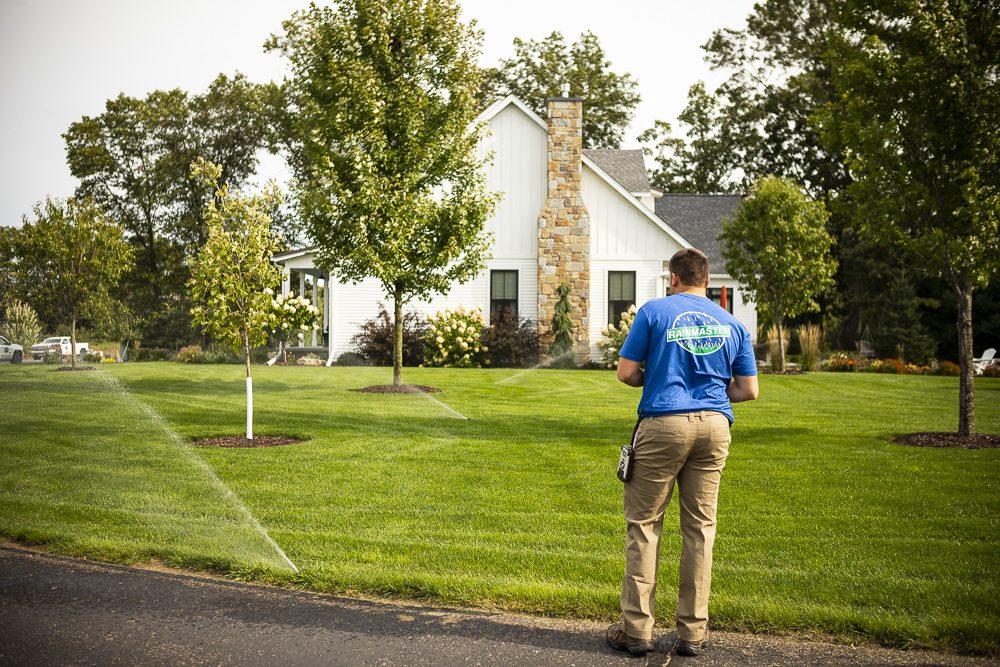
A sprinkler system is a buried assembly of pipe, valves, wire, and moving parts, and how long it lasts depends almost entirely on whether small problems get caught early. Three service visits a year is the difference between a 20-year system and one that fails in half that time.
Regular tune-ups are what extend system life
The problems that shorten a system's life are not dramatic. They are broken, leaking, or clogged heads, a cracked lateral line, damage from a plow or mower, a zone that will not shut off, a loose fitting. Ignored, each one gets worse, and several of them waste water continuously while they do.
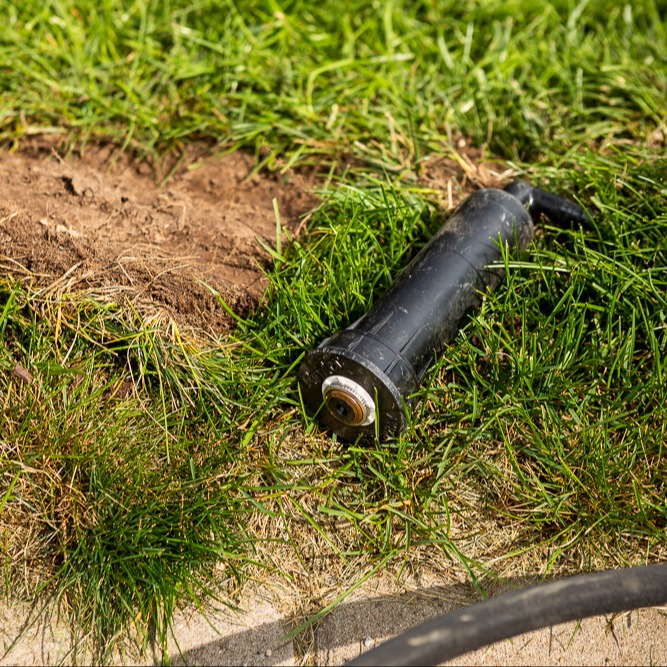
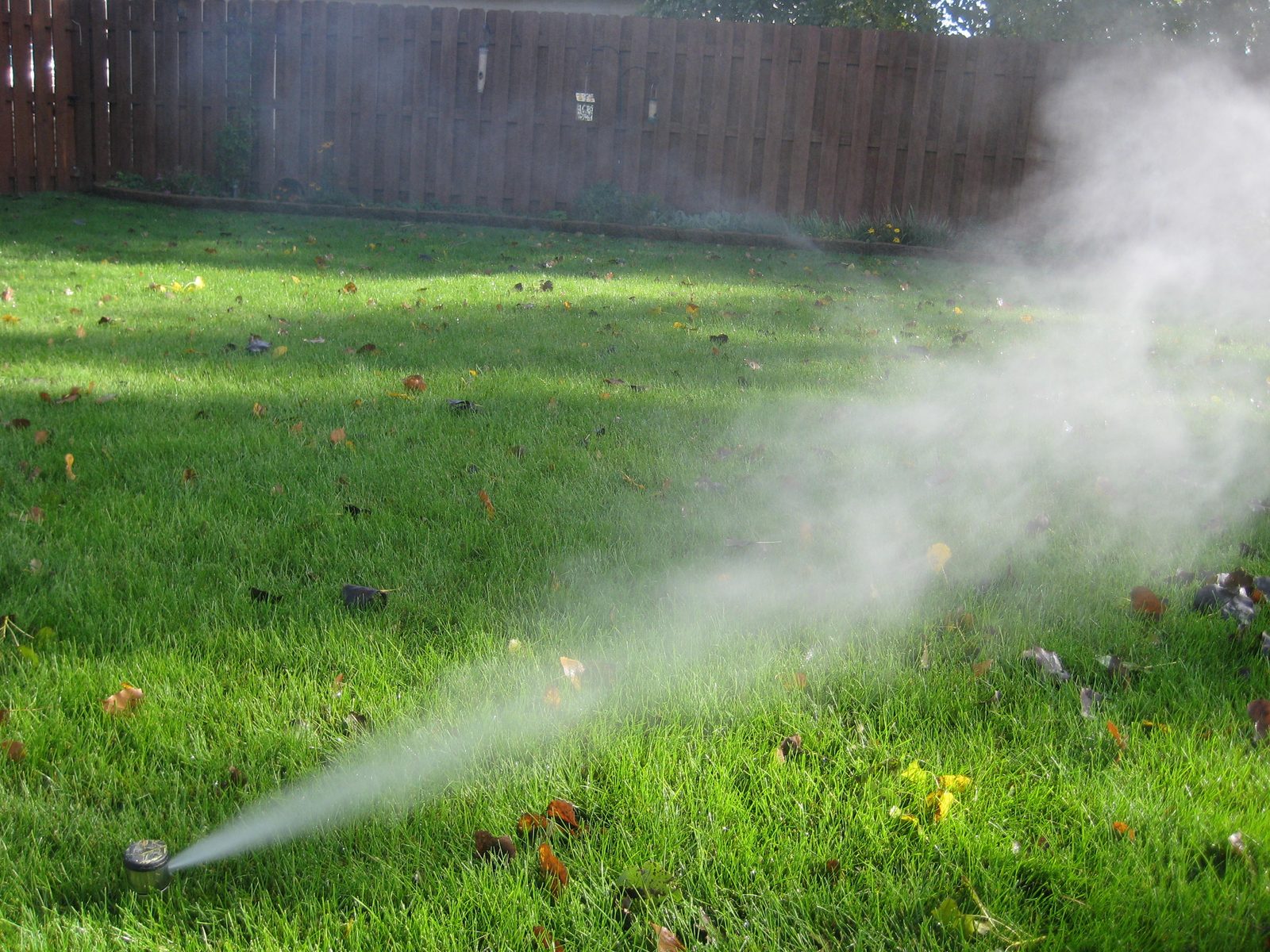
The service schedule that works is three visits a year: spring activation to start the system up, a midsummer tune-up while the system is working hardest, and fall winterization to shut it down. The midsummer visit is the one most homeowners skip and the one that catches the most, because that is when the system is under load and faults actually show themselves.
Spring activation does more than turn the water on
In Eau Claire, activation happens between mid-April and the end of May depending on the weather. Winter is hard on buried components. Frost heave shifts heads out of position and out of level. Plows catch heads near pavement. Residue in the lines flows to the heads when water is first turned on and can clog nozzles without any visible sign.
A thorough spring inspection finds those problems while they are cheap, which is the entire point of doing it before the lawn depends on the system. Most systems in this climate need at least a minor repair after winter.
Do not skip winterization
This is the one with the highest stakes. Getting all the water out of pipes, valves, and heads before the first hard freeze is not optional in Wisconsin or Minnesota. Water expands when it freezes, and components crack. You will not know until spring, when a lateral line is leaking underground.
Winterization, often called a blowout, should also cover:
- The lake pump, if you draw from surface water. It gets RV antifreeze for protection, pipe ends covered to keep critters out, and wiring disconnected so it cannot be energized accidentally.
- The backflow device, which has to be drained. Freezing water inside it damages internal components and can crack the body, which is an expensive and sometimes code-required replacement.
- The controller, shut down or set to off so a zone does not run on a warm February day.
Why DIY repair is a false economy
We have seen line repairs made with duct tape and zip ties, and copper patched with tape. Those hold until they do not, usually underground where you cannot see the leak.
There are two real technical issues. First, a line repair has to keep contaminants out of the pipe. Dirt introduced during a repair travels to the heads and causes damage that is permanent and hard to trace. Second, diagnosis is genuinely difficult. A single symptom can have several causes, and replacing the wrong part costs more than the service call would have.
How long does a sprinkler system last
Individual components get replaced along the way, but plan on roughly 20 years for a system overall. Past that, continuing to repair an aging system usually costs more than it returns.
Can an old system be repaired
Usually, yes. In our experience roughly four out of five older systems can be repaired rather than replaced. Occasional repairs are normal, since heads break, valves leak, and wire degrades, and those repairs are far cheaper than a new installation.
Replacement makes sense in specific situations:
- A system over 20 years old built with PVC. PVC becomes brittle with age and breaks. Current systems use polyethylene pipe, which flexes with ground movement and lasts considerably longer.
- A major landscape renovation that requires digging up and reconfiguring many zones. At that point starting over is cheaper than reworking.
- A system that was badly designed from the start, where areas never get coverage or there is not enough volume and pressure to run the zones properly. Repairs cannot fix a layout problem.
What actually breaks
Some repairs are simple. The five most common problems we see all involve heads:
- A head that will not rotate
- A head that leaks
- A head mowed off
- A head out of adjustment, sitting too high, too low, crooked, or aimed wrong
- A nozzle clogged with debris
Those get cleaned, readjusted, or replaced quickly. Others are harder. A leak in a buried line takes work to locate. And when a whole zone stops working, the cause could be an electrical fault, a controller problem, a failed solenoid, a broken line, or lightning damage, and narrowing that down is the actual skill.
Meanwhile a dead zone is urgent. In July it does not take long for turf to go off color and for annuals and new plantings to fail.
What repairs and maintenance cost
Parts wear out and need adjustment, which is normal rather than a sign something is wrong. Budget a few hundred dollars a year for repairs on an established system.
For maintenance, expect $225 to $450 per year in Eau Claire for a program combining spring activation, fall winterization, and tune-up visits through the season, depending on the level of service. Some visits turn up nothing but a seasonal controller adjustment. Others turn up heads to adjust or replace, a failed valve, a zone that will not shut off, or a loose fitting.
The value is in what does not happen: the emergency call in August, the washed-out retaining wall from an undetected leak, the replaced backflow device after a freeze. Our irrigation programs come in three levels so the plan matches the system, and every visit is planned around system performance, reduced water use, and a healthier landscape.
Does homeowners insurance cover it
Policies vary, so read yours. Generally a policy may cover water damage resulting from a sudden malfunction, but it is unlikely to cover damage attributed to neglect or deferred maintenance, and it typically does not cover repairing or replacing the system itself, including broken pipe, failed valves, or a damaged controller. Maintenance is the coverage you actually have.
Bottom line
- Three service visits a year, spring activation, midsummer tune-up, and fall winterization, is what extends system life.
- Winterization is mandatory in this climate. Frozen water cracks pipe, valves, heads, and backflow devices.
- Plan on about 20 years for a system overall, with components replaced along the way.
- Most older systems can be repaired. Replace when PVC pipe has aged past 20 years, a renovation reconfigures zones, or the original design was wrong.
- Expect $225 to $450 per year for a maintenance program, plus a few hundred a year for normal repairs.
Frequently asked questions
How often should a sprinkler system be serviced?
Three times a year: spring activation, a midsummer tune-up, and fall winterization. The midsummer visit catches the most, because faults show up when the system is running under load.
What happens if I skip winterization?
Water left in pipes, valves, heads, and the backflow device expands when it freezes and cracks components. The damage is usually discovered in spring as an underground leak or a failed backflow device, both of which cost far more than the blowout.
How long do sprinkler systems last?
About 20 years as a system, with heads, valves, and controllers replaced along the way. Systems built with PVC pipe become brittle with age, which is often what pushes an old system past the point of worthwhile repair.
Why is one zone not working?
Possible causes include a wiring fault, a controller problem, a failed solenoid on the zone valve, a broken lateral line, or lightning damage. Diagnosis is the work. Replacing parts by guesswork usually costs more than the service call.
U.S. EPA WaterSense, Sprinkler spruce-up.
Irrigation Association, Industry standards and certification.


