


Red Thread Lawn Disease: What It Is & How to Get Rid of It
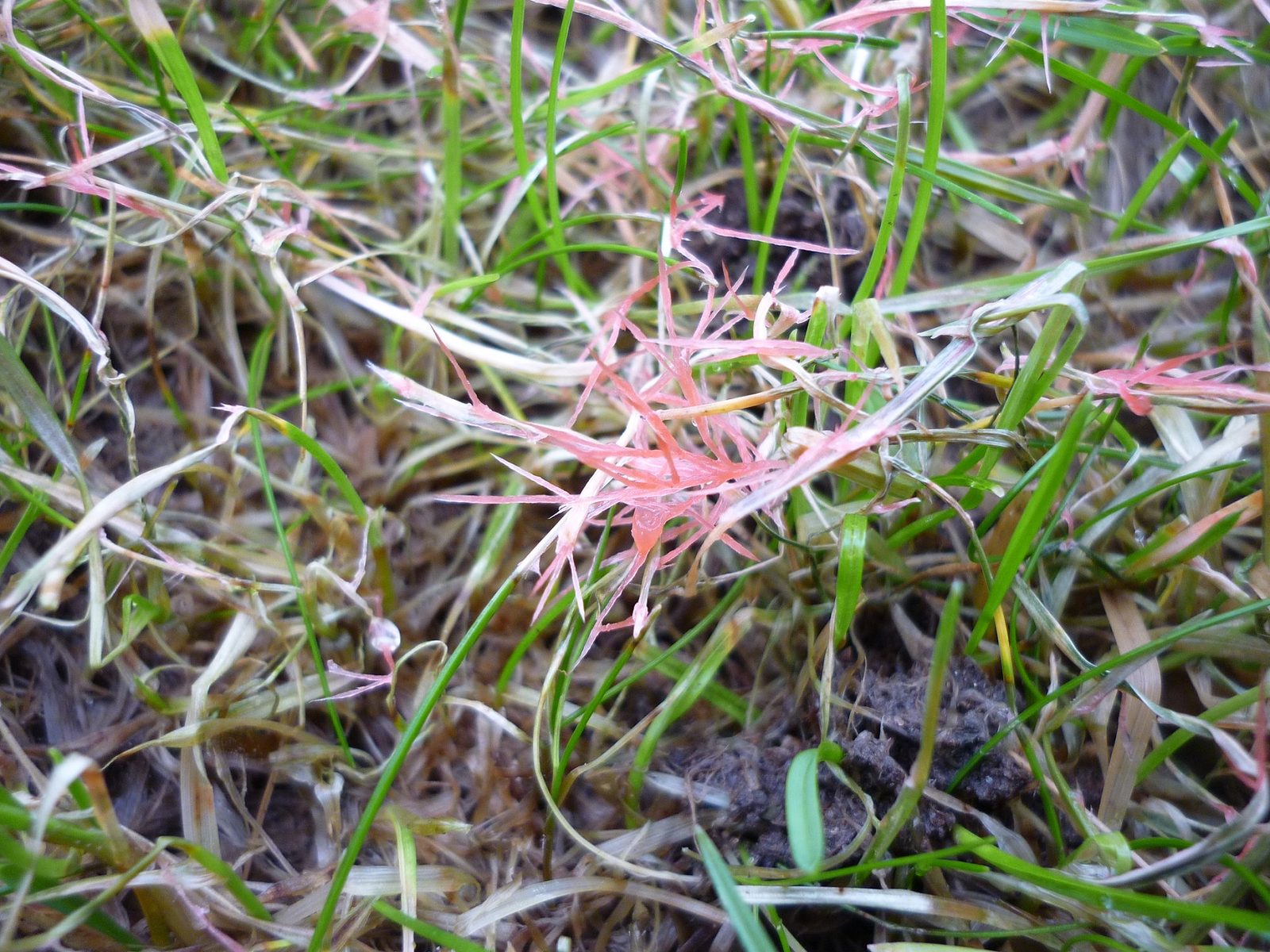
Red thread is one of the easier lawn diseases to identify, because at close range it looks exactly like its name: fine pink or reddish threads woven through the grass blades. It is almost always a cosmetic problem rather than a fatal one, but the conditions that bring it on tell you something useful about your lawn.
What causes red thread
Red thread is caused by a fungus that becomes active in cool, humid weather with long periods of leaf wetness. In Wisconsin and Minnesota that means late spring and early fall most years, and any stretch of summer that turns cool and rainy. It is not a heat disease. If your lawn breaks out with red thread in June after a week of drizzle and highs in the 60s and low 70s, that is textbook timing.
The second factor is nutrition. Red thread is strongly associated with turf that is short on nitrogen. A lawn that went into the season underfed, or that has not had a feeding in a few months, is the lawn that shows it first. That is why neighbors on the same street can get very different results from the same weather.
Compacted soil, poor drainage, and heavy thatch all extend how long the leaf canopy stays wet, which extends the window the fungus has to work in.
How to identify red thread fungus
There are two things to look for, and you usually see them at two different distances.
- From the yard: brown, pink, or reddish circular patches ranging from a few inches to about two feet across. The patches often look ragged rather than cleanly defined.
- On your knees: thin red or pink strands running between and along the grass blades, sometimes binding blades together. In humid mornings they are easy to see; once things dry out they can look like faint pink flecks.
One common mistake matters here. When the patches look brown rather than pink, homeowners read them as drought stress and start watering more. That makes it worse, because the fungus needs exactly that extended leaf wetness. If an area does not green back up within a day or two of watering, stop and look closer before adding more water.
How to treat red thread in lawns
Start with the thing that is free. Red thread usually clears up on its own once the weather changes, and the grass typically recovers without reseeding, because the fungus damages leaf tissue rather than killing the crown and roots. Patience works more often than treatment does.
Fungicide is an option, and it is not cheap. An application runs several hundred dollars and it typically takes more than one to get full control. We offer targeted disease control treatments, and they make sense when red thread has become a repeat problem or when brown and red patches are ruining curb appeal in a season you actually want to use your yard. Expect multiple treatments and some patience before the lawn looks right again.
What fungicide does not do is change why the disease showed up. If the cause was low nitrogen, compacted soil, or a sprinkler running at 8 p.m., the lawn will have red thread again next year on the same schedule.
Controlling red thread and other lawn diseases
Prevention is mostly good basic lawn care done on time.
- Keep nitrogen adequate. Feed in spring and fall on a consistent schedule. Red thread in particular is a nitrogen deficiency signal, and a well-fed lawn often grows right through it. This is what a timed lawn care program is for.
- Aerate annually. Core aeration reduces compaction, improves drainage and air movement at the soil surface, and helps break down thatch.
- Do not water too often. Deep and infrequent beats short and daily. Roughly an inch per week including rain, delivered in one or two long cycles.
- Water early in the day. Finish before the sun is high so the canopy dries fully before evening. Evening and overnight cycles leave the leaf wet for hours, which is the condition the fungus needs.
- Mow at 3 to 4 inches. Taller turf roots deeper and handles stress better. Avoid mowing while the grass is wet, which spreads fungal material around the yard on the deck and tires.
- Keep the blade sharp. A torn leaf tip is an entry point for infection.
What if red thread keeps coming back
Recurrence is the signal that the underlying conditions never changed. Work through them in order: when was the lawn last fed, how long has it been since it was aerated, what time of day does the irrigation run, and are there specific areas that stay wet into mid morning because of shade or grade.
Addressing the environmental stressors is the part that actually ends the cycle. Fix the drainage, relieve the compaction, bring the nutrition up to where it should be, and shift the irrigation schedule to early morning. The fungus is still present in the soil and thatch, as it is in most lawns here, but it loses the conditions it needs to take hold.
Bottom line
- Red thread is favored by cool, humid weather with long leaf wetness, not summer heat, and it is tied closely to low nitrogen.
- Identify it by the fine pink or red strands on the blades, visible up close; the patches run from a few inches to about two feet.
- Brown patches are often mistaken for drought and watered more, which makes the disease worse.
- It usually clears on its own and the grass recovers; fungicide costs several hundred dollars per application and takes more than one.
- Feeding on schedule, annual aeration, early morning watering, and mowing at 3 to 4 inches prevent most recurrence.
Frequently asked questions
Will red thread kill my grass?
Rarely. It damages leaf tissue rather than the crown and roots, so affected areas usually recover on their own once the weather changes. Severe, repeated infections on an already weak lawn can thin the stand enough to need overseeding.
Is red thread caused by too much water?
Not water volume so much as water timing. The fungus needs the leaf canopy to stay wet for long stretches, which is what evening watering, heavy dew, shade, and poor drainage all produce. Watering early in the morning removes most of that window.
Does fertilizer get rid of red thread?
It often helps considerably, because red thread is associated with nitrogen deficiency and a well-fed lawn can outgrow the damage. It is not a cure, and overcorrecting with heavy nitrogen going into summer heat creates different disease problems.
Can I mow a lawn that has red thread?
Yes, but mow when the grass is dry and clean the deck afterward. Mowing wet, infected turf moves fungal material to other parts of the yard.
University of Wisconsin Division of Extension, Red Thread.
University of Minnesota Extension, Fertilizing Lawns.


