


How to Deal with Winter Lawn Weeds in Wisconsin & Minnesota
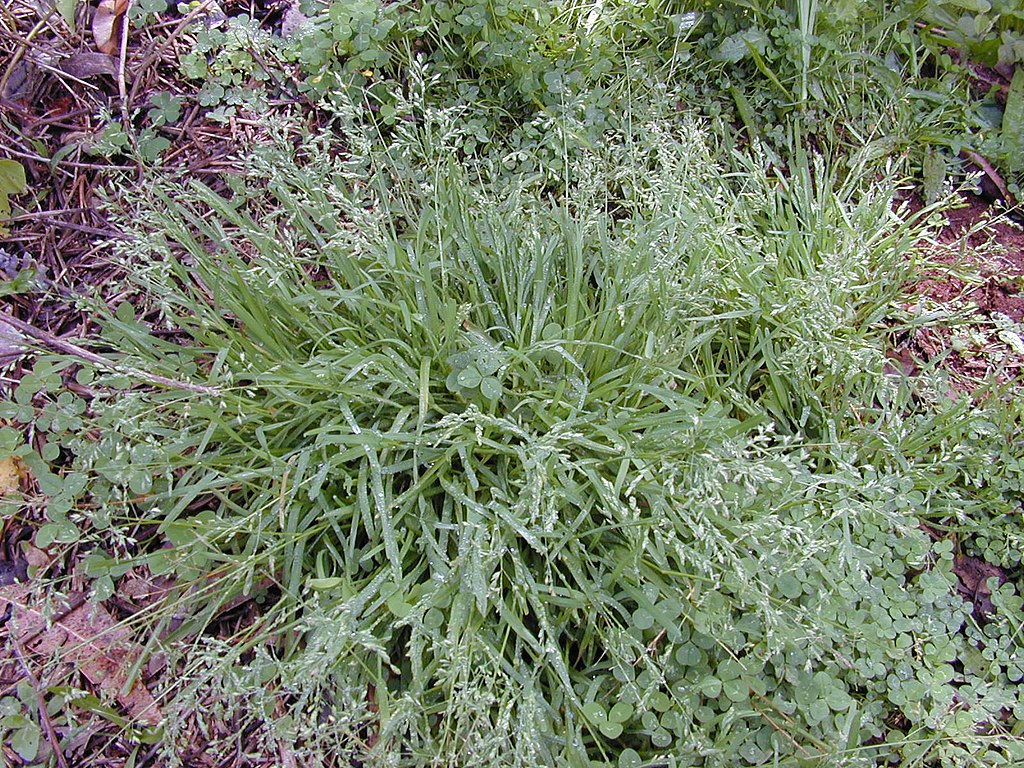
Weeds do not take the winter off here, they just stop being visible. Winter annuals germinate in fall, hold through the cold, and flower before your lawn has fully woken up. Understanding that timeline is what makes spring weed control work.
What are winter lawn weeds
A winter annual germinates in late summer or fall, survives the winter as a small plant, grows and flowers the following spring, sets seed, and dies. You might catch a glimpse of them when the snow melts, looking green and healthy next to grass that is still dormant.
They are also patient. The seed of many weed species can remain viable in the soil for years, waiting for the right combination of soil temperature, moisture, and light to germinate. That seed bank is the reason weed control is a recurring program rather than a one-time event. You are not only killing the plants you can see, you are managing what germinates next.
Poa annua, the most common winter lawn weed
Also called annual bluegrass, poa annua is one of the most common grassy weeds in this region and one of the hardest to deal with.
Its timing is the problem. It germinates in late summer and early fall once soil temperatures fall below about 70 degrees, grows through the fall, overwinters, and flowers the following spring. By the time you notice it, it is a lighter green patch with distinctive seed heads sitting lower than the surrounding turf, already producing the next generation of seed.
Because it is a grass, selective control is genuinely limited. Broadleaf weed control does nothing to it, and products that would kill it will kill your lawn too. The practical approach is to treat the affected areas with a non-selective product multiple times while the plants are actively growing, then renovate those areas with grass seed. Expect it to come back to some degree, because dormant seed remains in the soil underneath.
The better long-term defense is density. Poa annua establishes in thin, compacted, wet areas, and especially along edges and in low spots that stay damp. A thick, well-fed stand of turf on uncompacted soil gives it far fewer openings.
Other weeds lurking in winter
Many of the weeds you blame on spring actually germinated the previous fall. They are already in your lawn while you are watching television in February.
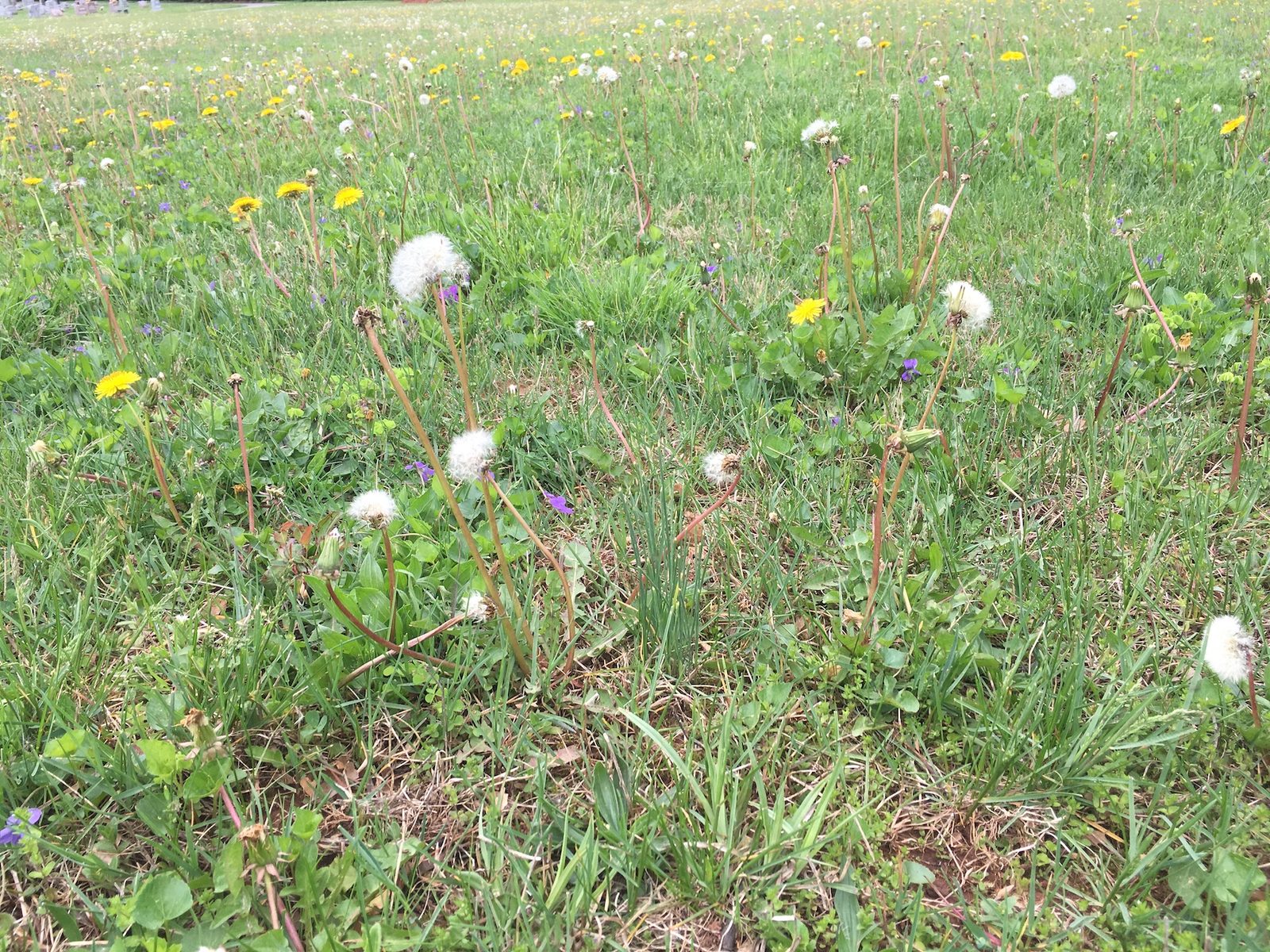
Dandelion is not technically a winter annual, it is a perennial, but it does not take the winter off either. It spreads by seed on those familiar puffball heads, and most people assume those seeds sprout in spring. In fact dandelion seed germinates in late summer and early fall, and the seeds can persist in the soil for years, sprouting long after the puffball blew apart. The plants in your lawn right now are overwintering with established taproots, which is why they come up so vigorously in April.
Crabgrass is a summer annual, so the plants themselves die with the first hard frost. The seed, though, sits in the soil through winter waiting for soil temperatures to rise in spring, and crabgrass seed that does not germinate in a given year can remain viable to sprout in future years. A single uncontrolled crabgrass plant produces an enormous amount of seed, which is why one bad summer creates several difficult ones.
Should you pull winter lawn weeds
On a mild sunny day in midwinter you may notice green weeds poking through dormant turf and feel the urge to yank them. Do not bother.
Cold tissue is brittle, and the plant will almost certainly snap off above ground rather than pull cleanly by the root. All you have accomplished is removing the top growth of a plant that will regrow from an intact root and still need to be treated in spring. Worse, you are walking on frozen or saturated dormant turf, which damages crowns and compacts soil. Leave it alone and go back inside.
The spring weed attack
April is when the real work starts, and the first job is crabgrass pre-emergent. This timing is genuinely critical, because a pre-emergent works by creating a barrier in the soil that stops germinating seed. Apply it after germination has started and you have missed the window entirely.
Calendar dates are a rough guide; soil temperature is the real trigger. Crabgrass germinates as soil temperatures at the surface reach the mid 50s and hold there, which in Wisconsin and Minnesota typically falls in April or early May depending on the year and the site. South-facing slopes and areas along driveways warm first and germinate first.
Our program includes two crabgrass treatments, one in early spring and one in late spring. Splitting the application extends protection through a longer germination window rather than betting everything on one date, which matters in a region where spring can arrive three weeks apart in two consecutive years.
May brings the first round of broadleaf weed control, and the goal is to have that done by Memorial Day. From there it is continuous, because different weeds are active at different points in the season. Creeping charlie and wild violet respond best in fall. Clover and plantain are summer work. Dandelion gets hit in both spring and fall.
The part that does more than any treatment
Weed control works best as the second line of defense. The first is turf density. A thick, well-fed lawn with a deep root system crowds weeds out by taking the light, water, and space they need to establish. That means timed nutrition, annual core aeration to relieve compaction, mowing at 3 to 4 inches rather than short, and watering deeply and infrequently in the early morning.
A complete lawn care program combines both: preventive and curative treatments timed to the weeds that are actually active, plus the nutrition and aeration that make the lawn itself competitive. Battling weeds across all four seasons should be part of the plan, not a response to what you noticed last weekend.
Bottom line
- Winter annuals germinate in late summer or fall, overwinter as small plants, and flower in spring before your lawn breaks dormancy.
- Poa annua germinates once soil temperatures drop below about 70 degrees; selective control is limited, so affected areas usually need non-selective treatment and renovation.
- Dandelion is a perennial whose seed germinates in late summer and fall; crabgrass seed overwinters and can stay viable for years.
- Do not pull weeds in midwinter. Brittle tissue snaps off above the root and you damage dormant turf walking on it.
- Crabgrass pre-emergent timing follows soil temperature, not the calendar; two applications, early and late spring, cover a longer germination window.
Frequently asked questions
What is the most common winter weed in Wisconsin and Minnesota lawns?
Poa annua, also called annual bluegrass. It germinates in late summer and early fall once soil temperatures fall below about 70 degrees, grows through fall, and flowers the following spring.
When should crabgrass pre-emergent be applied?
When surface soil temperatures reach the mid 50s and hold there, typically April into early May here depending on the year and the site. South-facing slopes and areas next to pavement warm first, so they germinate first.
Can I kill poa annua without killing my grass?
Selective options are very limited because poa annua is a grass. The usual approach is repeated non-selective treatment of the affected areas while the plants are actively growing, followed by reseeding, and then building turf density so it has fewer openings to return to.
Is it worth pulling weeds I see after the snow melts?
Not in cold weather. The plants are brittle and break off above the root, so they regrow and still need treating, and walking on dormant, saturated turf damages the lawn. Wait for the spring program.


