


How to Control Weeds While Growing New Grass
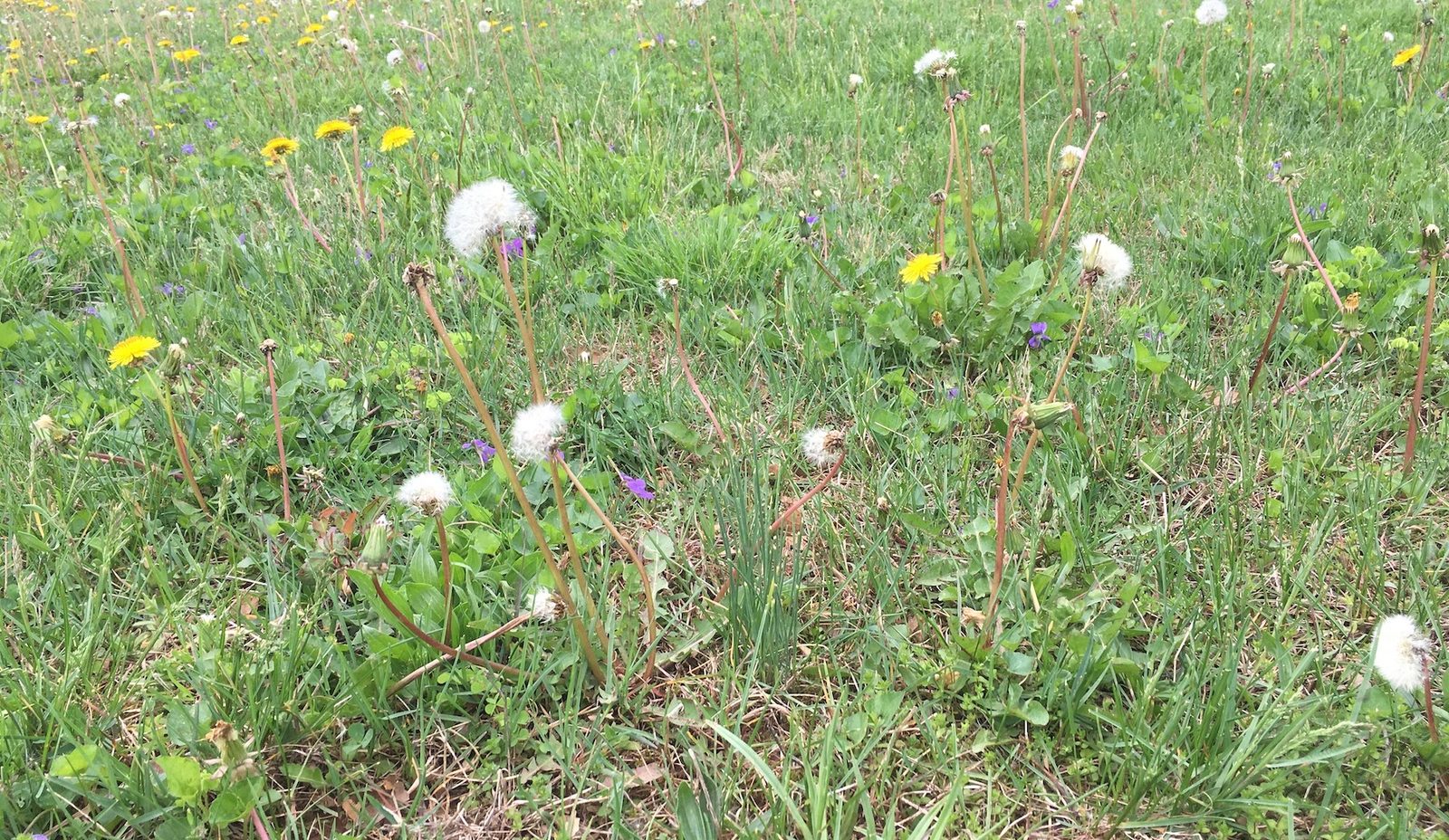
Weeds in a freshly seeded lawn are not a surprise, they are a certainty. Bare or newly aerated soil is the best real estate a weed seed can find. The question is not whether they show up, it is what you can safely do about them before the new grass is old enough to defend itself.
Yes, weeds are waiting to move in
Plan on it. Weed seed is already in your soil, sometimes for years, and more arrives on the wind, on equipment, and on animals. When you open that soil up with an aerator or rake out a bare spot, you have created exactly the conditions dormant seed has been waiting for: soil contact, light, and moisture.
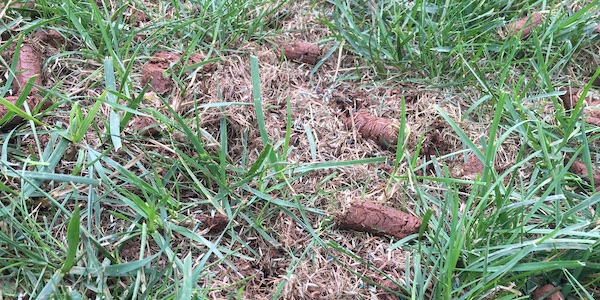
The frustrating part is the pace. Most common weeds germinate faster and grow faster than turfgrass seedlings do. Crabgrass and foxtail will be visibly ahead of your new bluegrass for weeks. That looks like failure and usually is not.
Back off the weed killer
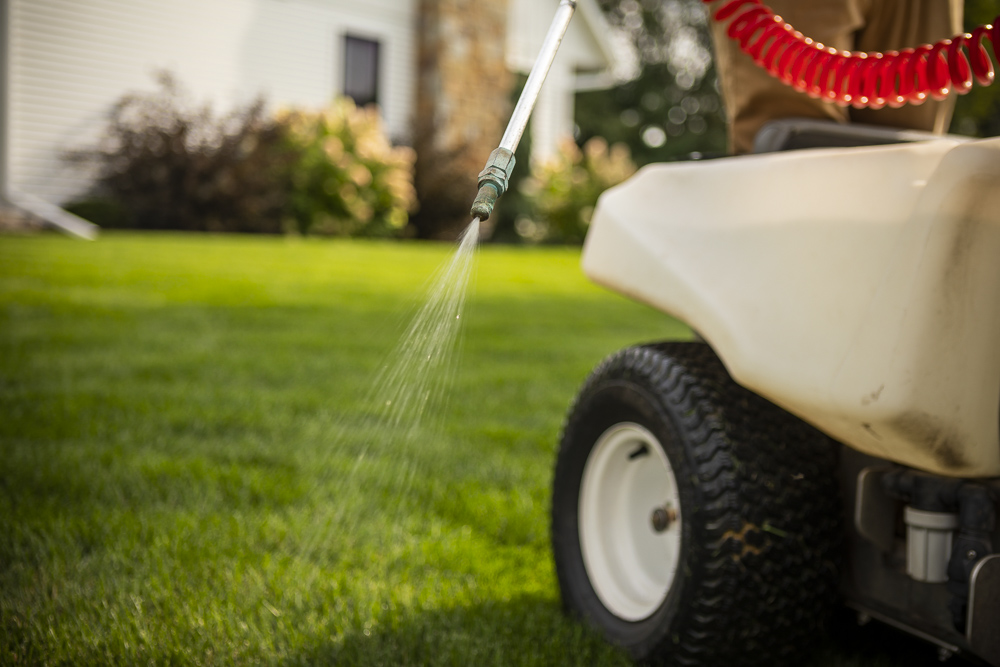
Here is the hard rule for anything you can buy retail: do not use weed control products on newly seeded areas for at least a month. The active ingredients that kill broadleaf weeds also damage or kill young grass seedlings, which have no established root system and very little leaf tissue to spare.
A reliable way to keep track without a calendar: if you mow weekly, mow the new area at least four times before you apply any weed control. Four mowings means the seedlings have tillered and rooted enough to take it.
The same caution applies in reverse. If you applied a pre-emergent product this season, you generally cannot seed into it, because a pre-emergent does not distinguish between crabgrass seed and your grass seed. Timing a seeding around earlier applications is one of the most common DIY mistakes.
There is an exception
There is one noteworthy exception, and it is worth knowing about if you are in the Eau Claire area or the Twin Cities. We carry a professional-grade product that controls weeds without harming new grass, and it can be applied the same day we seed. It is not something sold in the retail lawn care aisle.
That changes the sequence meaningfully. Instead of watching weeds outpace your seedlings for a month with no recourse, the new grass gets a clear field from day one.
Be picky about the seed
Be genuinely selective about grass seed in Minnesota and Wisconsin. Spilled into your hand it all looks similar, and it is not.
Inexpensive seed stacked in bags at the home improvement store can contain weed seed, and the label will tell you so if you read it. There is a stated percentage for other crop seed and for weed seed, along with the species and varieties and the germination rate. You can be worrying about weeds in your new lawn while you are planting them yourself.
Pay more for premium seed. On a cost-per-square-foot basis the difference is small, and seed is the one input you cannot correct later. Also match the species to the site: a blend weighted toward fine fescue for shade, more Kentucky bluegrass for sun.
Keep the new grass healthy, because density is the real weed control
It is easy to fixate on killing weeds and lose the bigger point. Thick, healthy grass fills the space and leaves weeds nowhere to establish. Everything you do in the first two months is about getting there.
Water correctly, and do not stop
New seed needs attention for roughly the first 21 days it takes to germinate, and for a few weeks after. The goal is consistent moisture in the top half inch of soil, not saturation.
- First month: frequent, light watering. In practice that usually means two or three cycles a day, about 15 to 20 minutes each, depending on temperature and soil.
- No puddles. Heavy watering drowns seed, crusts the soil, or washes seed into low spots and out of the areas you wanted covered.
- Do not quit early. This is where seedings fail. Stop watering and either the seed never germinates or the young grass dies, and you have lost the whole investment.
- After four to six weeks: transition to longer cycles less often. Making the grass reach for water drives roots deeper, which is what produces a drought-tolerant lawn rather than one dependent on daily watering.
If your yard has an irrigation system, this is a controller change, and it matters enough to get right. An established-lawn schedule applied to new seed will not germinate it.
Feed it
New grass is hungry. Follow aeration and seeding with a regular fertilizing program, starting with a formulation designed for new seedlings. Young grass is building root mass and leaf tissue at the same time, and it cannot do either on depleted soil.
Mow it, once it is ready
Wait until the new grass reaches about 3.5 to 4 inches, then take it down to 3 inches with a sharp blade. Mowing actually helps, because it encourages the plants to tiller and spread sideways. A dull blade will pull young seedlings out of the ground by the roots.
The longer game
Seeding is a moment; density is a program. A complete, proactive lawn care program keeps improving a lawn after the seeding is done, with a nutrition plan built around what your soil is actually short of so roots stay nourished and the stand stays thick enough that weeds have a hard fight.
We offer three levels. Luscious Lawn is the high-end proactive program, the one to choose for the fastest and best results and for a lawn that needs significant help. Terrific Turf is the mid-level option and our most popular, built to grow a thick green lawn and handle most challenges. Healthy Habitat is the basic plan with the elements you need for a better lawn.
Bottom line
- Weeds in a new seeding are guaranteed, because bare and aerated soil is ideal germination habitat.
- Do not apply retail weed control for at least a month, or until you have mowed the new area at least four times.
- Our professional-grade product controls weeds without harming new grass and can go down the same day we seed.
- Cheap seed can contain weed seed; read the label for species, germination rate, and weed seed percentage.
- Water lightly two or three times a day for about 15 to 20 minutes for the first month, then shift to longer, less frequent cycles after four to six weeks.
Frequently asked questions
How long after seeding can I spray for weeds?
At least a month with retail products, and a practical check is to mow the new area at least four times first. Younger seedlings do not have the root system or leaf tissue to survive a broadleaf application.
Is weed killer safe for new grass seed?
Standard products are not. They damage or kill seedlings. There are professional-grade products that can be applied at seeding, which is not the same as anything available in the retail aisle.
How often should I water new grass seed?
Two or three short cycles a day, roughly 15 to 20 minutes each, for the first month, keeping the top half inch of soil consistently moist without puddling. After four to six weeks, move to longer cycles less often so roots grow down.
Should I pull weeds out of a newly seeded lawn?
Hand pulling scattered weeds is fine once seedlings are rooted, but be careful not to disturb young grass around them. For a heavily weedy new seeding, wait until the grass can tolerate a treatment rather than tearing up the stand.
University of Minnesota Extension, Seeding and Sodding Home Lawns.
University of Wisconsin Division of Extension, Lawn Establishment.


