


How a Proper Irrigation System Inspection Will Save You Money
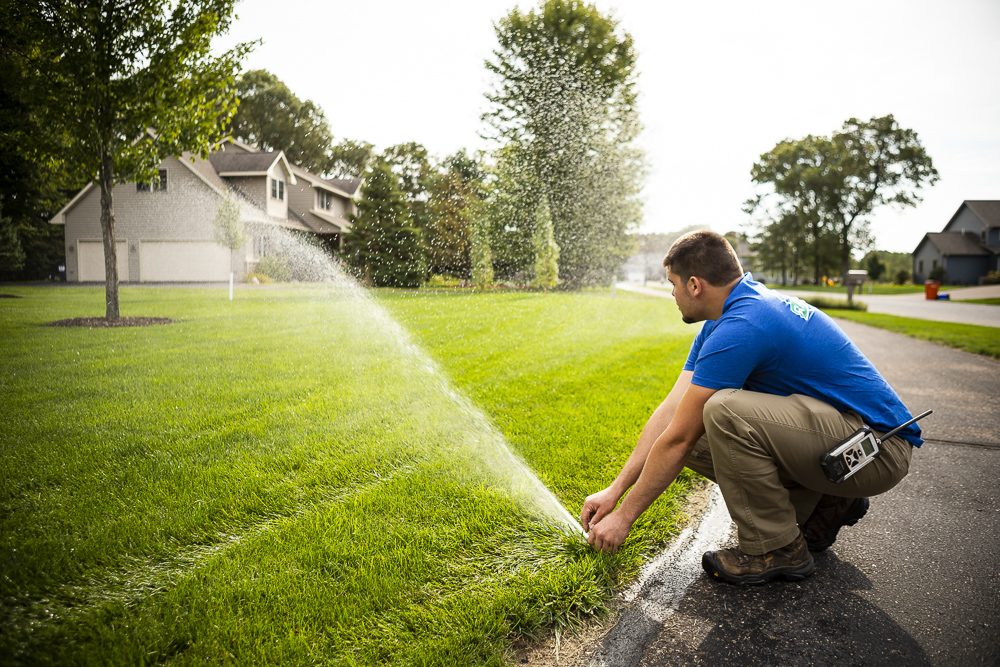
Nobody schedules an irrigation inspection because they enjoy irrigation inspections. The reason to do it is arithmetic: the problems an inspection catches are small, and the problems it prevents are not. Here is where the savings actually come from.
An inspection catches problems while they are still small
Irrigation systems fail gradually. The list of what we find on a routine visit is unglamorous and almost always cheap to fix at that moment:

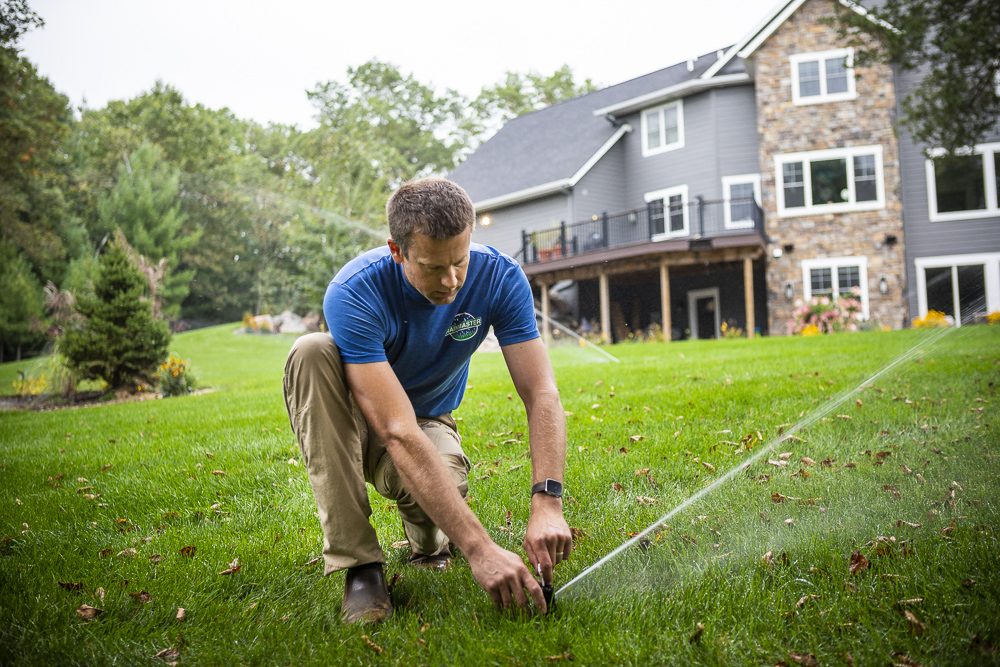
- Broken, leaking, or clogged heads
- Broken lateral lines
- Damage from snowplows and lawn mowers
- A controller still programmed for the wrong season
- A zone that will not shut off
- A loose fitting weeping into the soil
Every one of those wastes water, and water is metered. Left alone, each also gets worse. A weeping fitting becomes a washed-out void under the pipe. A clogged head becomes a dry patch, then dead turf, then a reseeding project. The repair cost and the water cost both compound, which is why timing beats thoroughness here.
An inspection checks for efficiency, not just failures
A system can be fully functional and still waste a lot of water. Specialists know where to look for that.
The rain sensor is the clearest example. If it has a dead battery, has drifted out of adjustment, or is blocked by debris, your sprinklers run during storms and you pay for every minute. A technician checks the battery, confirms the sensitivity setting, and makes sure the sensor is clear. That is a five-minute check against a season of unnecessary cycles.
From there it is a zone-by-zone walk: every zone turns on and off properly, every head throws the arc and radius it should, the pattern still overlaps head to head, and nothing is spraying pavement. Small corrections here add up, because an inefficient zone does not announce itself. It just quietly costs money while the lawn looks acceptable.
Three visits a year is the right schedule
The best inspection schedule in this climate puts eyes on the system three times:
- Spring, to start the system up. Charge the lines, test the backflow assembly, check every head, and find what winter broke.
- Summer, the visit most people skip. This is when the system is under the greatest demand and when things are most likely to go wrong. It is also the only visit that finds a problem while it is actively wasting water in the middle of the season.
- Fall, to shut the system down. Get the water out before the ground freezes.
Two visits meet the minimum. The third is where most of the savings live.
The controller is where the easy money is
It is easy to forget the controller sitting out in the garage. It may be running a schedule set for a different season, or running more cycles than the lawn needs, which wastes water and keeps the canopy wet overnight, which invites disease.
During an inspection, the technician reprograms the settings for the current season: what time of day it runs and for how long. Spring in Eau Claire and the Twin Cities is cool and wet, and the schedule should look nothing like August, when it is 90 degrees with no rain. Most homeowners never reprogram seasonally, and the water bill reflects it.
If the controller is old, this is also the point where upgrading to a smart controller gets discussed. A controller that reads the forecast and skips cycles for rain, wind, and cold eliminates the task entirely.
Fall shutdown prevents the expensive failures
This is the big one. Water left in pipes, valves, and heads freezes, expands, and breaks things, and that is a repair bill rather than a water bill. Getting the water out before the first hard freeze is the single highest-value task in the irrigation year, and it happens at the fall visit.
Timing matters in both directions. Shut down too early and you give up fall watering during a dry September. Wait too long and you are blowing out lines after the surface has already frozen. Late September through October covers most years here.
Fall also winterizes the lake pump
If your system draws from a lake or river, the pump has to be winterized separately or freezing temperatures will destroy it. Technicians add RV antifreeze to protect the internals and cap the open pipe ends so mice and other critters do not move in for the winter. We also disconnect the wiring so the pump cannot be switched on accidentally, and pull the intake out of the water for storage so spring flooding and ice do not carry it off.
A pump is the most expensive single component in most residential systems. Protecting it is the clearest case of an inspection paying for itself several times over.
And the backflow device
Freezing water in a backflow preventer damages the internal components and can crack the body outright. A cracked body is not a spring part order, it is a plumber.
Every backflow assembly winterizes differently: different test cocks, different valves left open, different sequence. Technicians who do this daily know the procedure for the assembly on your wall. They also know that the device has to be ready for its required annual test in spring, so getting it through winter intact matters twice.
Adding it up
Regular sprinkler system inspections keep a system running efficiently and keep the lawn healthy. The money argument is separate and simpler: metered water that lands on pavement is wasted, a small leak that runs for a month is not small, and a pump or backflow body destroyed by freezing costs far more than a season of maintenance visits.
Bottom line
- Inspections catch cheap problems early: clogged and broken heads, mower and plow damage, loose fittings, and zones that will not shut off.
- A failed rain sensor, from a dead battery, drifted setting, or debris, is one of the most expensive small faults in an irrigation system.
- Three visits a year is the right schedule, and the midsummer visit under peak demand is where most savings come from.
- Seasonal controller reprogramming is the easiest water savings available, and almost nobody does it themselves.
- Fall shutdown, lake pump winterization, and backflow prep prevent the repairs that cost hundreds to thousands.
Frequently asked questions
How much can an irrigation inspection actually save?
It depends on what it finds. The common savings are metered water from leaks, misdirected heads, and a controller running the wrong seasonal schedule, plus avoided freeze repairs to valves, pumps, and backflow assemblies. A single prevented pump failure outweighs years of maintenance visits.
Do I need all three visits, or just spring and fall?
Spring and fall are the required bookends. The midsummer visit is optional and is the one that most often pays for itself, because it finds problems while the system is under peak load and actively wasting water.
Can I reprogram my own controller each season?
Yes, and you should if you are willing to. Most people do not keep up with it, which is why it is part of the service visit. A smart controller removes the task by adjusting itself to weather.
What happens if I skip fall shutdown?
Water left in the lines freezes and expands. The damage ranges from cracked valve bodies and burst laterals to a destroyed pump or a cracked backflow body, which requires a plumber. It is the most expensive thing you can skip.
EPA WaterSense, Sprinkler Spruce-Up.
Irrigation Association, Irrigation efficiency and maintenance resources.


