


Holiday Travel Safety
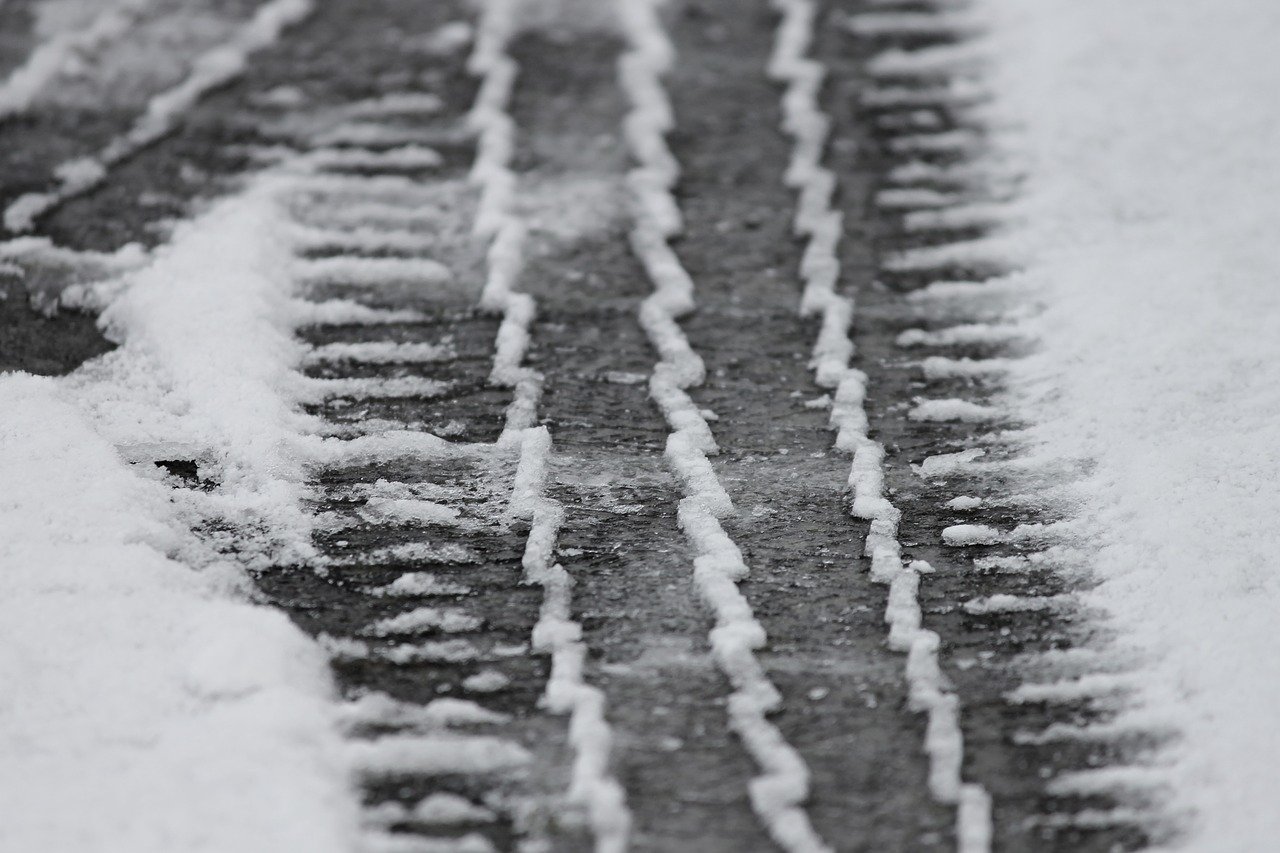
Holiday travel in Wisconsin and Minnesota means driving in conditions that punish small mistakes. A short prep routine before you leave, and a few habit changes on the road, cover almost everything that goes wrong.
Before you leave
- Check tire pressure. Cold air drops pressure, and underinflated tires lose traction and wear unevenly.
- Never warm up the vehicle in a closed garage. Carbon monoxide builds up fast in an enclosed space.
- Clear every window, plus the lights and roof. Give yourself the time to do it properly rather than peering through a scraped circle.
- Keep the gas tank at least half full. It reduces the chance of fuel line freeze-up and leaves margin if you get stuck.
- Check the exhaust pipe for packed snow or debris. A blocked exhaust can push carbon monoxide into the cabin while the engine runs.
Driving on snow and ice
- Turn cruise control off on any slippery surface. It can accelerate into a skid.
- Accelerate and decelerate slowly. Most loss of control starts with an abrupt input.
- Increase following distance to eight to ten seconds. Stopping distance on ice is many times what it is on dry pavement.
- Build momentum before a hill and let it carry you up rather than accelerating on the climb. Go down the other side as slowly as possible.
- Brake with control. Keep your heel on the floor and use the ball of your foot to apply firm, steady pressure.
For longer trips
- Pack blankets, gloves, hats, food, water, and any medications in case you are stranded.
- If you do get stuck, stay with the vehicle. It is shelter, and it is far easier for rescuers to find than a person on foot.
- Tie something bright to the antenna or mirror. At night, leave the dome light on; it uses little power and makes you visible.
- Do not overexert yourself shoveling or pushing. Cold plus exertion is how shoveling injuries happen.
- Run the engine and heater just long enough to take the chill off, conserving fuel, and only with a clear exhaust pipe.
Think about the driveway too
The most common winter incidents happen within a few feet of home. A driveway and walk that are cleared and treated before the ice sets protect visiting family as much as they protect you, which is why so many of our snow removal customers add their holiday weeks to the schedule in advance.
Bottom line
- Check tire pressure, fuel level, and a clear exhaust before any winter trip; never idle in a closed garage.
- No cruise control on slippery roads, smooth inputs, and eight to ten seconds of following distance.
- Carry blankets, water, food, and medications, and stay with the vehicle if you get stranded.
- Clear and treat your own driveway and walks before holiday guests arrive.
Frequently asked questions
Why should cruise control be off on snow?
If a tire loses traction, cruise control can keep applying power and turn a slip into a spin.
How much following distance is enough on ice?
Eight to ten seconds, several times what you would leave on dry pavement.
Should I stay with my car if I get stranded?
Yes. The vehicle provides shelter and is far easier for rescuers to spot than a person walking.
Can RainMaster handle snow removal while I am away for the holidays?
Yes. Seasonal snow removal routes cover the whole winter, including the weeks you are traveling.
Wisconsin 511, Current road conditions and winter driving.


