


10 Essential Grub Control Facts: Lawn Care Tips for WI and MN Homeowners
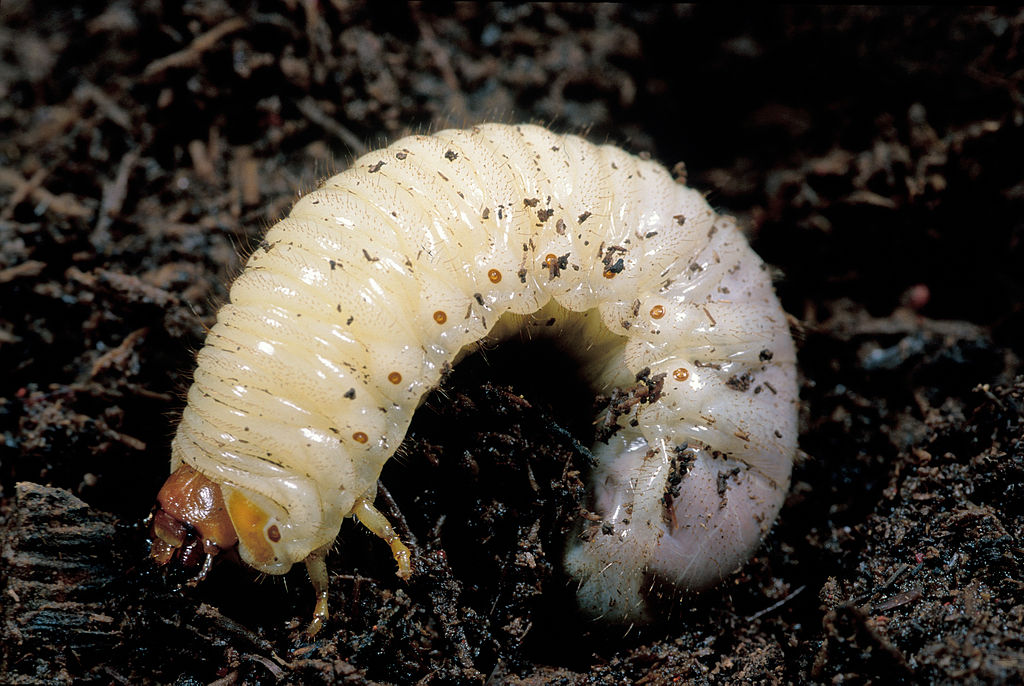
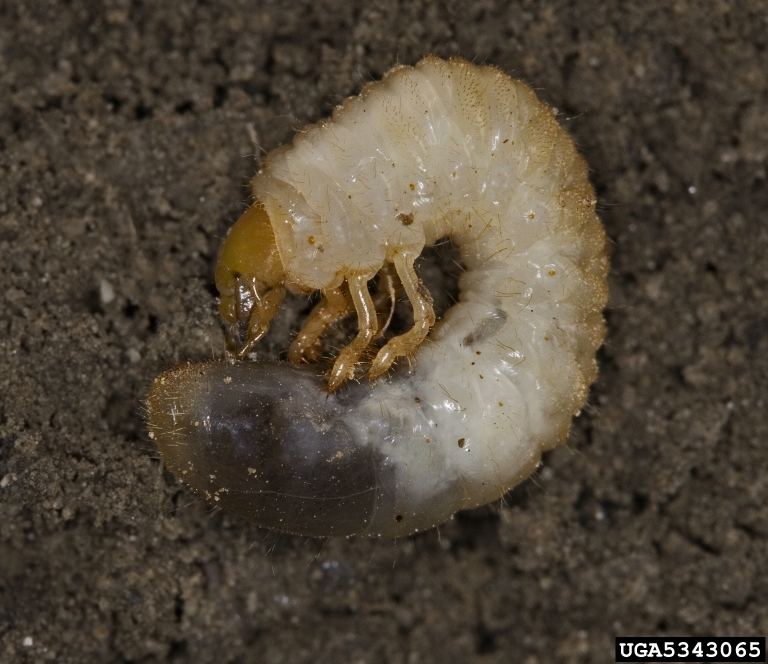
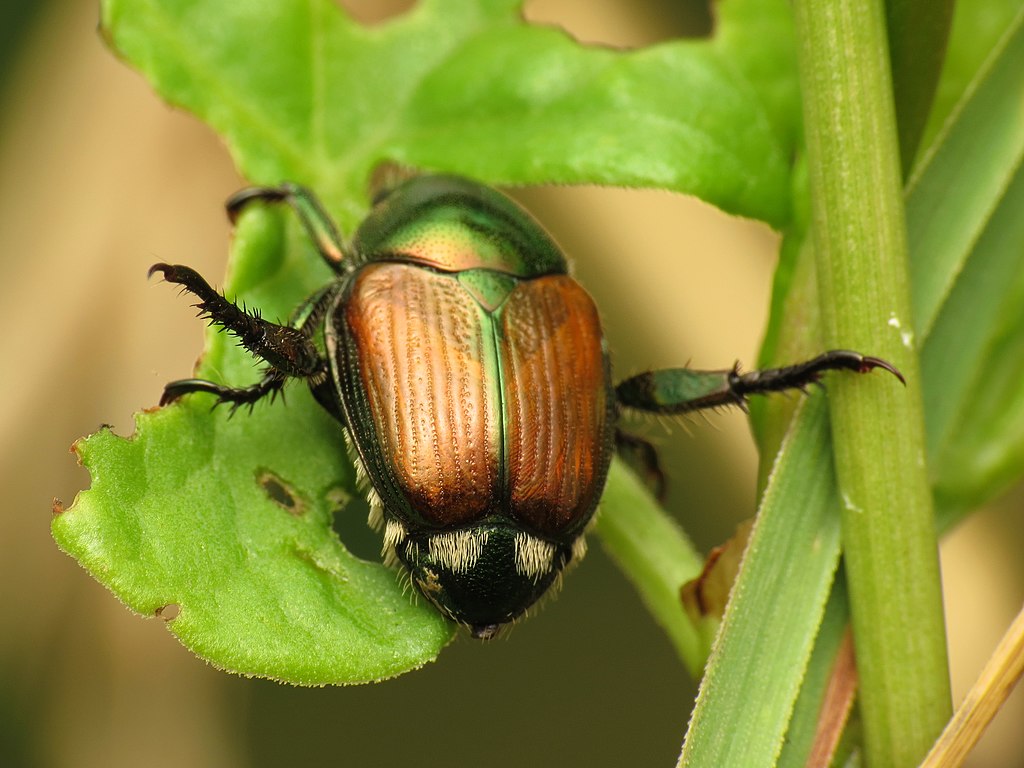
Grubs are the larvae of Japanese beetles, June beetles, chafers, and other beetles. They are white, C-shaped, and they eat grass roots, which is why a lawn can look fine one week and come up like loose carpet the next. Here are ten things worth knowing before you deal with them.
1. The damage happens before you see it
Grub damage shows up suddenly because it is not sudden at all. The grubs feed on roots for weeks, out of sight, and the turf holds its color until it can no longer take up water. Then the first hot, dry stretch arrives and whole sections go brown and wilted in a couple of days.
Once the roots are gone, that grass is not coming back. You are reseeding, not reviving.
2. Timing decides the outcome
Grub control is a timing problem more than a product problem. The objective is to have the active ingredient present in the root zone before the eggs hatch in midsummer, so the newly hatched grubs encounter it while they are small and near the surface. Treating after damage appears means treating a lawn whose roots are already chewed.
At RainMaster, Grub Guard goes down on the first spring visit, and the product carries through the growing season. Not every grub product lasts that long. Some are substantially weakened by the time grubs are actively feeding in late summer, which is the moment they are needed most.
3. How to tell if you have them
Three checks, all of which take a minute:
- Animals digging in the lawn. Raccoons, skunks, and birds tearing up turf are after something, and grubs are usually it.
- The tug test. Grab a handful of grass in a suspicious patch and pull. If it lifts and rolls back like loose carpet, the roots that anchor it have been eaten.
- The feel underfoot. Turf that feels spongy where it used to feel firm often has grub activity below.
To confirm, cut a square foot flap of turf a few inches deep and fold it back. You are looking at the number of white C-shaped larvae in that square foot. A few are normal in any lawn and do not require treatment. It is a concentration of them that causes visible damage.
4. The cycle repeats every year
Adult beetles lay eggs in lawn soil in midsummer. The eggs hatch, and the grubs feed on roots through late summer and into fall. As the soil cools they burrow deeper to overwinter. In spring they move back up, feed briefly, pupate, and emerge as adult beetles that lay the next round of eggs.
That is a complete cycle in a single year, and it runs again whether or not you did anything. In Eau Claire and the Twin Cities the hatch lands in midsummer, which is why grub control is an annual decision here rather than a one-time fix, and why the preventive application has to be down and still active by July.
5. DIY grub control is hit or miss
Homeowner grub control can work. It just requires getting several things right at once, and most people miss at least one.
Do you know the square footage of your turf? Most do not, and one bag is often a fraction of what the lawn needs. Is your spreader calibrated to the product and your walking pace? Most consumer spreaders are not accurate out of the box. Did the application land in the window before egg hatch, and did it get watered in afterward, which most preventive products require to reach the root zone? Miss the timing or skip the irrigation and the product sits in the thatch doing very little.
6. Killing grubs will not solve a mole problem
This one comes up constantly. Removing grubs does not get rid of moles. Moles eat earthworms and a wide range of soil insects, and earthworms make up the bulk of their diet. Take away the grubs and the moles still have plenty to eat. If you have moles, you need mole control, and treating for grubs will not substitute for it.
7. Pollinators and product choice
Product selection matters where bees are concerned. Grub control is applied to turf rather than to flowering plants, but lawns in this region frequently contain clover, dandelion, and creeping charlie, all of which bloom and attract pollinators. The practical steps are to choose products with lower risk to bees, mow blooming weeds off before an application, and water the product into the root zone where the grubs are rather than leaving residue on the surface. We use Grub Guard rather than the cheapest available option for this reason.
8. What grub control costs
Bee-safer Grub Guard is included in the top two program tiers, Luscious Lawn and Terrific Turf. On the basic Healthy Habitat program, grub control can be added for an additional cost.
9. Curative treatment is possible, but it is a worse deal
If you skip prevention and end up with an infestation, grubs can be treated at other points in the year. Curative products target larger, actively feeding grubs. The problem is that by the time they work, the roots are already damaged, so you pay for the treatment and the reseeding. Prevention costs less and leaves the lawn intact.
10. Grub-resistant lawns are built, not lucky
A thick, deeply rooted lawn tolerates grub feeding far better than a thin one does, because it has more root mass to lose before it reaches the point of collapse. Proper mowing height, deep and infrequent watering, annual aeration, and consistent nutrition all raise that threshold.
That is why grub control belongs inside a complete lawn care program rather than being bought as a standalone product. The treatment handles the insect; the program is what makes the lawn able to absorb the hit.
Bottom line
- Grubs eat grass roots, so damage appears suddenly and the affected turf has to be reseeded, not revived.
- Preventive timing is everything: the product needs to be in the root zone before midsummer egg hatch.
- Confirm grubs with the tug test and by cutting a square foot flap of turf to count larvae.
- Killing grubs does not get rid of moles, which eat mostly earthworms.
- Mow blooming clover and dandelion off before treating, and water the product in to protect pollinators.
Frequently asked questions
How many grubs do I need before treatment is worth it?
A few per square foot are normal in a healthy lawn and do not cause visible damage. It is a concentration of larvae that leads to turf loss. Cutting a square foot flap of turf and counting is the standard check.
When should grub control be applied in Wisconsin or Minnesota?
Preventively, in spring, so the active ingredient is in place before eggs hatch in midsummer. Treating after damage shows up means the roots are already gone.
Will getting rid of grubs get rid of my moles?
No. Moles eat mostly earthworms along with other soil insects, so removing grubs leaves their food supply largely intact. Moles need their own control.
Is grub control safe for bees?
Risk depends on the product and how it is applied. Grub control goes on turf rather than flowers, and mowing blooming clover and dandelion before application plus watering the product into the root zone reduces pollinator exposure substantially.
University of Wisconsin Extension, Japanese beetle.
University of Minnesota Extension, Lawn insect identification and management.


